
Have you ever looked at photos of coral reefs and wondered how so much life can fit into one place?
We love coral reefs because they feel like underwater neighborhoods, busy, colorful, and full of surprises.
In this guide, we will share facts about coral reefs simply and practically, so you can identify what’s happening on a reef, understand the threats, and know what actually helps.
Background on Coral Reefs
Coral reefs are vast, diverse ecosystems built by tiny animals called coral polyps. They support 25% of marine life in less than 1% of the ocean floor, acting as natural barriers and providing food and income. These ecosystems are known as the “rainforests of the sea” due to their incredible marine biodiversity. The Great Barrier Reef is the largest and is visible from space.
What They Are & How They Work
- Animals, Not Plants: Corals are marine invertebrates, related to jellyfish and anemones, living in colonies.
- Symbiotic Relationship: They host symbiotic algae (zooxanthellae) that provide food through photosynthesis, giving corals color and energy.
- Building Blocks: Coral polyps secrete calcium carbonate to form hard skeletons, which build up over time into coral reef ecosystems.
- Slow Growth: Reefs grow very slowly, often just a few centimeters per year.
Key Facts
- Marine Biodiversity: They house a quarter of all marine species, including thousands of fish types.
- Coastal Protectors: They act as natural seawalls, protecting coastlines from erosion and storms.
- Global Importance: About half a billion people rely on reefs for food, tourism, and livelihoods.
- Ancient Origins: The first reefs formed hundreds of millions of years ago, predating dinosaurs.
Types of Reefs
- Fringing Reefs: Grow directly from the coastline.
- Barrier Reefs: Separate from the coast by a lagoon, such as the Great Barrier Reef.
- Atolls: Ring-shaped reefs that form around a sunken volcanic island.
Threats
- Climate Change: Warming ocean temperatures cause coral bleaching.
- Pollution & Acidification: Dirty water and increased ocean acidity harm coral reef ecosystems.
- Overfishing: Disrupts the reef’s delicate balance.
Coral reefs are underwater cities of life, made of tiny animals called coral polyps that build hard homes from calcium carbonate. Facts About Coral Reefs show they cover less than 1% of the ocean, yet they host about 25% of all marine species, including more than 4,000 fish species and over 700 kinds of coral. 2
These ecosystems matter for people, too. About 500 million people rely on reefs for food, jobs, and coastal safety, and reefs generate roughly $375 billion each year in goods and services.
The Great Barrier Reef, the largest reef system, stretches about 2,300 kilometers and covers 344,400 square kilometers, and it can be seen from space by satellite. 1
Reefs face big threats from climate change, ocean acidification, pollution, and overfishing. Mass bleaching hit hard between 2014 and 2016, affecting up to half of the Great Barrier Reef.
More than half of reefs have been lost in the last 30 years; scientists warn that up to 90% could be at risk, and reefs might vanish by 2050 if heat and acid levels keep rising. 3
Reefs also shield coasts, protecting about 45,000 miles of shoreline, cutting wave energy by as much as 97%, and helping to protect around 200 million people from storms and erosion.
You will read facts about reef types, glowing corals, reef growth, and how reefs clean water, support tourism, and help medical research.
Read on.
Key Takeaways
- Coral reefs cover less than 1% of the ocean, support about 25% of marine life, and host over 4,000 fish species and 700+ coral species.
- About 500 million people rely on reefs for food and income; reefs generate roughly $375 billion yearly and involve about 6 million fishers.
- Reefs protect roughly 45,000 miles of coastline, cut wave energy by up to 97%, and provide coastal safety for about 200 million people.
- A 1 to 2°C warming triggers bleaching; the 2014 to 2016 events affected up to 50% of the Great Barrier Reef, and up to 90% face severe risk by 2050.
What marine species live in coral reefs?
Coral reefs host a lively city of sea life, full of color and motion.
Reef ecosystems house over 4,000 fish species, and about one-third of all marine fish species spend part of their lives there. Hard corals and soft corals build coral colonies that shelter more than 700 coral species, plus thousands of other organisms.
Parrotfish graze on algae; they keep reefs clean, and sponges filter tiny particles from the water. 1
Sea turtles, seahorses, eels, starfish, cuttlefish, and giant clams (Tridacna) live among coral polyps and symbiotic algae. Many reef animals show bright colors or bold patterns for camouflage or mating, which boosts marine biodiversity around barrier reefs like the Great Barrier Reef and protected sites such as the National Marine Sanctuary of American Samoa.
Here are a few “look for this” moments that make snorkeling and diving feel more like reading the reef, instead of just swimming over it:
- Cleaning stations: wrasses and cleaner shrimp pick parasites off bigger fish. If you hover calmly, you may see a line of fish waiting their turn.
- Nursery zones: branching corals often shelter juvenile fish, and you’ll spot lots of tiny, fast-moving fish close to the coral colonies.
- Filter feeders at work: sponges and sea fans often face into the current, that’s where food drifts by.
- Predator edges: reef predators often cruise drop-offs and channels; those deeper “reef streets” concentrate prey.
Are corals animals or plants?
Tiny animals called polyps live in colonies, and they form coral reefs. They exist as hard coral and soft coral, both adding to marine biodiversity. Scientists classify them with jellyfish and sea anemones, not with plants. 2
Many polyps use stinging cells on their tentacles to catch food, and they also partner with algae that live in their tissues. That mix of hunting plus photosynthetic help is why corals can confuse people at first glance.
Many polyps host symbiotic algae, which photosynthesize and feed the colony. Each polyp secretes calcium carbonate to build the reef structure, brick by brick. The Great Barrier Reef shows these processes, and it supports vast marine life and reef-building communities.
If you want a simple way to tell what you’re looking at underwater, use this quick checklist:
- Animal clue: polyps have mouths and tentacles; many feed more at night.
- Plant-like clue: reef-building corals depend on sunlight because their symbiotic algae make sugars.
- Rock clue: the “reef” feel comes from skeletons that build up over time, layer by layer.
How old are coral reefs?
Coral reefs have existed for about 240 million years, and they rank among the oldest marine ecosystems on Earth.3
On the Great Barrier Reef, there are layers in coral rock; those growth rings act like tree rings, they record age and past ocean conditions.
Most living reefs formed 5,000 to 10,000 years ago, after the last ice age. Individual coral polyps often live only a few years, yet a coral colony can build reef structures that last millennia, supporting vast marine life in tropical coral reefs and protected sites like Flower Garden Banks National Marine Sanctuary.
One extra “time scale” detail that helps this click: corals show up in fossil reefs hundreds of millions of years ago, but modern-looking reef builders are much more recent in Earth’s story.
| Reef time scale | What it means for you |
|---|---|
| Days to weeks | Reef structure builds slowly, and major damage can take a long time to reverse. |
| Years to decades | Storms and disease can reshape which coral colonies dominate a site. |
| Centuries to millennia | Reef structure builds slowly, major damage can take a long time to reverse. |
Who depends on coral reefs for food and income?
About 500 million people rely on coral reefs for food, income, and livelihoods. Some 6 million fishers work in nearly 100 countries, catching reef fish for markets and home meals. 4
In tropical countries, reefs provide 10 to 12 percent of fish caught, and in developing nations, they supply 20 to 25 percent of total catches.
Millions rely on reefs every day.
Around 3.3 billion people depend on fish for at least 15 percent of their animal protein, so reef declines hit diets fast. 4
In the U.S., NOAA Fisheries has estimated coral reefs deliver hundreds of millions of dollars a year in net benefits from tourism and recreation, plus reef-linked fisheries value that tops $100 million annually in commercial landings alone.
Reefs also deliver over $375 billion each year in goods and services, from fisheries and tourism to coastal protection, across places such as the Great Barrier Reef and national marine sanctuaries.
When you’re deciding what “reef value” means in real life, it usually shows up in four buckets:
- Food: reef fish and invertebrates support local diets and markets.
- Jobs: fishing, guiding, boating, hotels, and restaurants all connect to healthy reefs.
- Storm safety: reefs reduce wave energy before it hits homes, roads, and ports.
- Culture and education: reefs support traditions, research, and community identity.
Why are coral reefs called the “Rainforests of the Sea”?
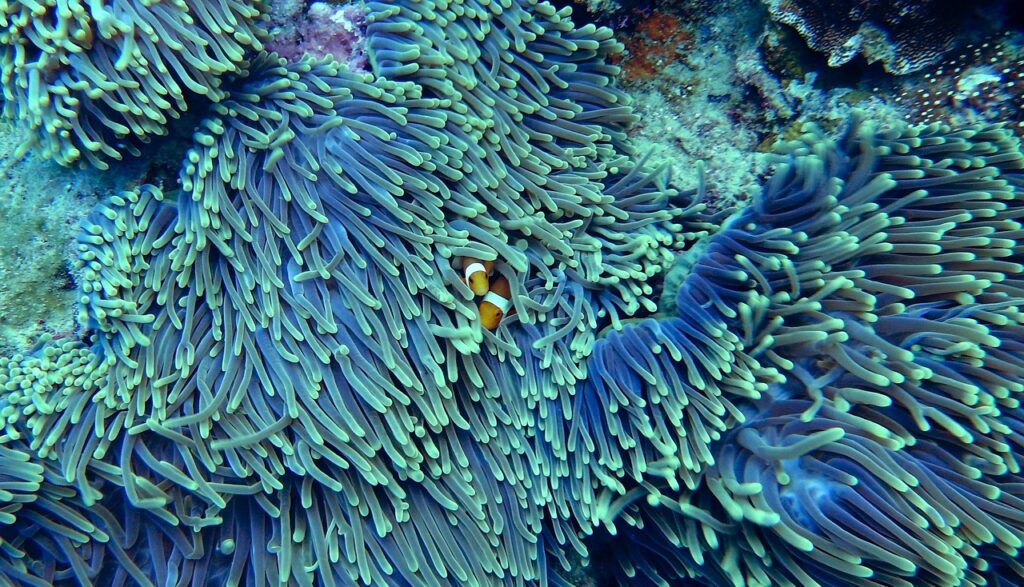
If you ever snorkeled over a reef, you would feel like you were in a crowded city.
Coral reefs cover less than 0.2% of the ocean floor, yet they host about 25% of all ocean species, so life packs in tight. 5
Reef-building corals have been around for a very long time, and the Great Barrier Reef still stands as the largest living structure on Earth. Tiny coral polyps build homes, and a close symbiotic relationship with algae feeds whole communities.
Sea fans, soft coral, and bright fish, the kind of marine biodiversity you expect in tropical rainforests. Reefs feed people, support tourism, and shield coasts from storms, so coastal communities depend on them.
Rising ocean temperatures cause bleaching events, which harm reef life, and that loss would hit food and incomes hard.
Here’s why the rainforest comparison is useful (and what you can do with it):
- High biodiversity in a small space: go slow and scan cracks, ledges, and sand edges, that’s where the “hidden” sea life hangs out.
- Layers of habitat: branching corals, mounds, and sea whips create different neighborhoods for prey and predators.
- Easy to tip out of balance: if grazers disappear, algae can take over and block sunlight from corals.
Can you see coral reefs from space?
Satellites can spot some coral reefs from orbit, especially large systems. The Great Barrier Reef, for example, stretches over 2,300 kilometers and covers 344,400 square kilometers, so NASA images and space crews can see it from space. 7
Not all reefs show up in satellite photos; small fringing reefs and deep-sea corals hide under darker water. Ocean clarity, sunlight, and water depth affect visibility, and rising ocean temperatures, coral bleaching, and pollution can change reef color, making coral reef tracking harder. 6
If you’re curious why some reefs “pop” in images, this helps:
- Bright reef sand and skeleton reflect light: shallow, clear water makes reefs easier to detect.
- Depth matters: once a reef drops deeper, the signal gets darker and harder to separate from open water.
- Color shifts can be a clue: big changes can signal bleaching or sediment, but satellites still need in-water checks.
How do coral reefs protect coastlines during storms?
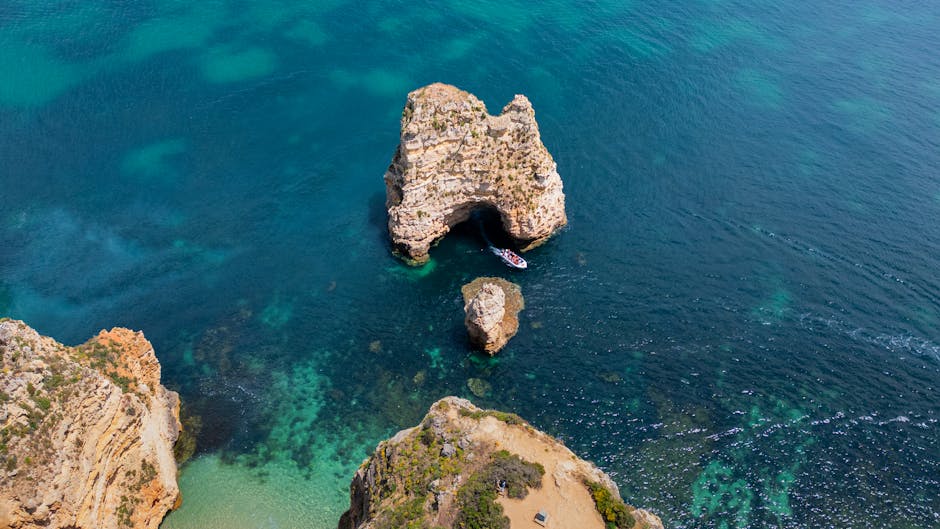
Coral reefs act like natural breakwaters; they reduce wave energy by up to 97%. 8 They buffer about 45,000 miles of coastlines, cutting storm surge and erosion. Around 200 million people depend on reef protection for safety and jobs.
The Great Barrier Reef and sites listed by the Office of National Marine Sanctuaries show how reef systems shield shores. 9
Reef structure forms from coral polyps that lay down calcium carbonate, the hard framework that breaks waves and slows flood waters. This process helps stop shoreline loss and limits damage to homes, ports, and beaches.
Coastal communities use coral reef conservation programs and reef-safe sunscreen to protect these natural flood defenses from climate change and ocean pollution.
One detail most people miss is where the protection happens: reef crests do the heavy lifting and can dissipate most of the wave energy.
| Reef zone | Why it matters during storms |
|---|---|
| Reef crest | It’s the first high point waves hit, protecting this zone often gives the biggest “wave energy payoff.” |
| Reef flat | These are natural wave pathways, and boating and anchoring rules often focus here to prevent breakage. |
| Channels and cuts | These are natural wave pathways, boating and anchoring rules often focus here to prevent breakage. |
How do coral polyps build reefs with calcium carbonate?
Hard corals, also called stony corals, secrete calcium carbonate, CaCO3, to make hard, calcareous skeletons. 10 Coral polyps sit in tiny cups. They pull dissolved calcium and carbonate from seawater, and they lay down rings of skeleton as they grow.
Reef-building corals show many shapes, such as branching, digitate, table-like, and massive forms, and over 800 species build reefs like the Great Barrier Reef. 10 Some stony corals lift off their base to secrete new basal plates; they add height, and that creates small chambers inside the skeleton.
Symbiotic algae live inside the polyps; they feed the coral with photosynthetic sugars, and that boosts CaCO3 production. Reef structures grow slowly; they form coral reef ecosystems that shelter fish, crustaceans, and sea whips.
If you want the “bricklaying” process in plain steps, it looks like this:
- Polyp feeds: it catches tiny prey with tentacles and also gets sugars from symbiotic algae.
- Minerals come in: calcium and carbonate from seawater move into the coral’s calcifying space.
- Skeleton grows: the coral deposits new calcium carbonate, and the colony expands.
- Reef takes shape: over time, coral colonies and other calcifying creatures build a 3D habitat.
Why do coral reefs need sunlight to survive?
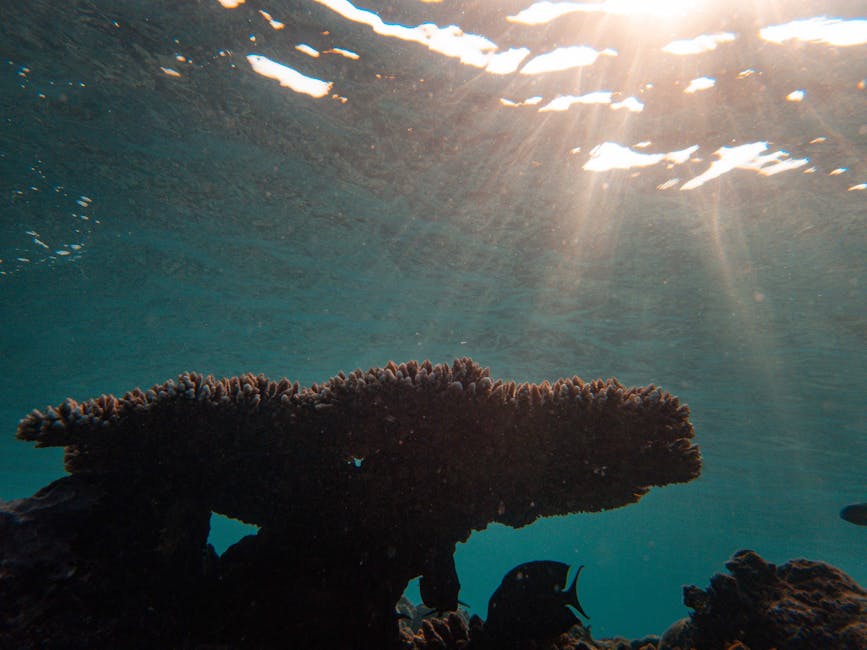
Sunlight fuels the symbiotic algae inside coral polyps, which use photosynthesis to make sugars the coral eats. Coral reefs thrive in clear, shallow waters less than 70 meters deep, where light reaches the algae.
Low light raises the algae’s energy expenditure, they then supply less food, and coral growth slows. This hurts marine biodiversity in coral reef ecosystems like the Great Barrier Reef. 11
Improved access to sunlight helps corals stay healthy, it reduces the risk of reef degradation, and supports reef-safe tourism and fishing. Coral nurseries use knowledge of light needs to grow fragments, aiding coral reef conservation and the long-term survival of reef-building species. 11
There’s also a “middle depth” zone that surprises people; mesophotic coral ecosystems can sit roughly 30 to 150 meters down and still depend on light, which matters when scientists look for potential refuges after shallow-water damage.
- If you’re snorkeling, clearer water usually means healthier light conditions for reef-building corals.
- If you’re diving, ask guides if the site includes deeper, lower-light coral communities; they often look different from shallow gardens.
- If you’re photographing, use natural light early in the day; heavy strobe use can stress wildlife and spook fish.
What causes coral bleaching from heat?
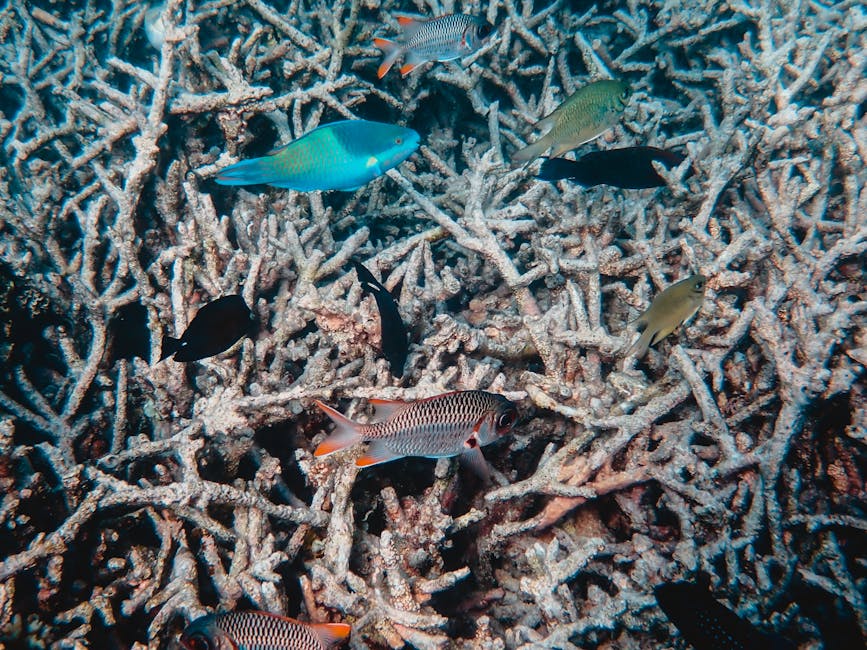
Excess heat forces coral polyps to expel their symbiotic algae, which leaves the coral white and weak. A rise of just 1 to 2°C in ocean temperatures can trigger this response, linking coral bleaching directly to climate change. 12
Mass bleaching hit hard between 2014 and 2016, affecting up to 50% of the Great Barrier Reef.
For a more practical way to track risk, NOAA’s Coral Reef Watch uses a heat-stress metric called Degree Heating Weeks, and bleaching risk rises sharply around the levels below.
| Heat stress signal | What it can mean on the reef | What you can do |
|---|---|---|
| About 4°C-weeks | Bleaching risk rises | Choose low-impact activities, avoid touching corals, avoid kicking up sediment |
| About 8°C-weeks | Reef-wide bleaching, mortality becomes more likely | Skip fragile sites, support operators with strong reef protection rules |
| 12°C-weeks and higher | Multi-species mortality risk increases | Back restoration groups and push for stronger local water-quality action |
Scientists warn that up to 90% of coral reefs face risk from human impacts, including rising ocean temperatures, and groups like Green Fins push reef-safe practices to help protect marine biodiversity.
Can coral reefs glow or be fluorescent?
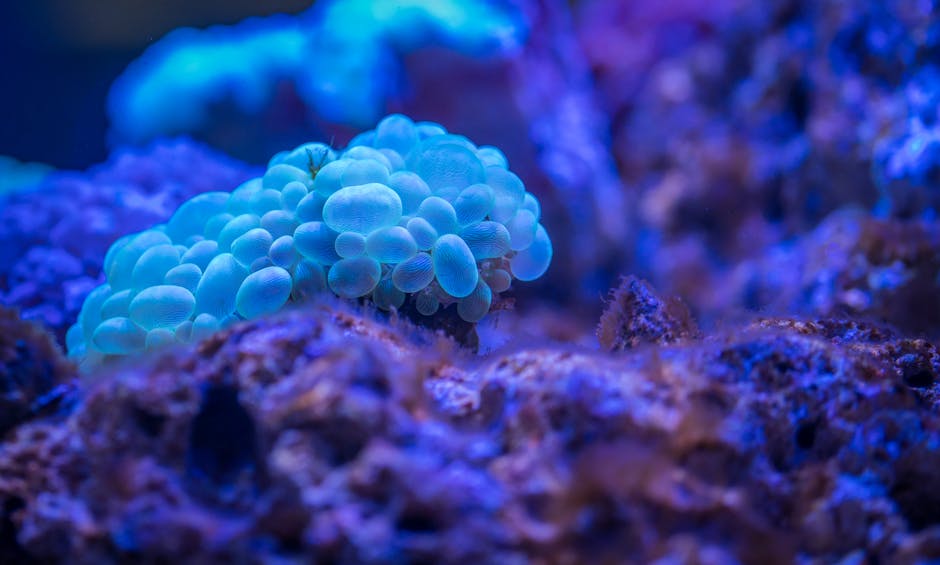
Coral reefs can glow, and many do, thanks to fluorescent proteins. Scientists and citizen groups like the Glowing campaign found that corals emit bright colors to cope with warming seas, a response tied to climate change and raising ocean temperatures. 13
Adult coral polyps give off blue-green, or cyan, light, while larvae often show green fluorescence. The proteins absorb high-energy light, then re-emit it in safer colors, which may shield symbiotic algae and slow coral bleaching during heat stress.
It looks like an underwater city of tiny lanterns. Fluorescent signals help researchers track reef health, study symbiosis, and plan coral reef conservation.
Divers should use reef-safe sunscreen, and managers must fight pollution and unsustainable fishing to keep this marine biodiversity alive.
What’s cool is that fluorescence can mean different things depending on conditions:
- Light management: fluorescent pigments can scatter light inside tissue, changing how light and heat behave on the coral surface.
- Health clue: shifts in fluorescence can show up alongside stress, so researchers use it as one more signal.
- Photography tip: You need the right filters and lights to capture true fluorescence; regular flash usually won’t show it.
Are all coral reefs found in warm waters?
Most coral reefs live in warm, shallow ocean waters near the equator. They need year-round sunlight, clear water, and steady ocean temperatures to host symbiotic algae and reef-building coral polyps. 7 Warm water stress can trigger coral bleaching on the Great Barrier Reef and other systems, hurting marine biodiversity and local fisheries.
Some reefs do not fit the warm, shallow picture; they exist in cold waters as low as 4°C, and at depths near 2,000 meters. Deep-sea corals, found on seamounts and remote places like the Northwest Hawaiian Islands, do not rely on photosynthesis, yet they still support marine life and diverse ecosystems. 7
Here’s the simplest way to think about it:
- Warm-water coral reefs: usually shallow and sunlit, built by hard corals that depend on symbiotic algae.
- Cold-water (deep-sea) corals: often live in dark water and feed by filtering food from currents, they can form important habitat even without “reef” sunlight.
- Why this matters: protecting coral communities is not just a tropical issue; there are shallow reefs and deep-sea corals, too.
How do coral reefs clean the surrounding water?
Coral reefs act like giant filters; they trap tiny particles and clear the sea. Reef sponges and coral polyps gulp plankton and bits of detritus; they hold, eat, and remove sediments.
Symbiotic algae, zooxanthellae, give corals sugars through photosynthesis, which boosts coral health and helps keep the water clearer. 14
Healthy coral reef ecosystems support marine biodiversity, they cut glare and cloudiness, and they help fish and other marine life find food.
Clean water around reefs helps fisheries, tourism, and coastal communities. 7
If you want to help reefs “keep their water clean,” focus on the biggest local wins:
- Reduce runoff: less fertilizer and better erosion control mean fewer algae blooms and less smothering sediment.
- Use mooring buoys: anchors can break coral colonies and stir up sediment.
- Pick reef-safe habits: don’t feed fish, don’t chase wildlife, and keep fins off the bottom.
How do coral reefs support global tourism industries?
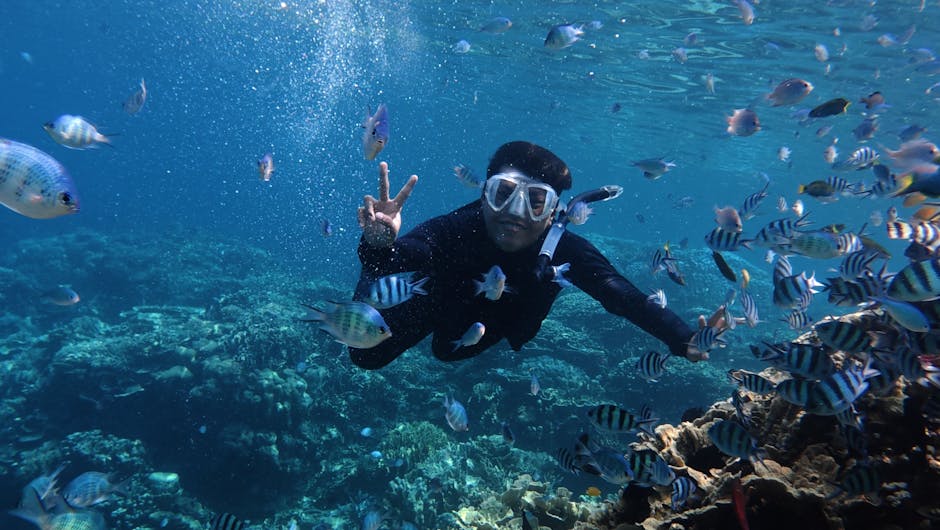
Seventy-one million people visited coral reefs each year before the COVID-19 pandemic; they came for snorkeling, wildlife watching, and boat tours. Tourists pay for trips, gear, guides, and lessons, and this spending creates about thirty-six billion dollars in annual revenue. 15
The money supports millions of jobs in restaurants, hotels, tour operations, and transportation, and it keeps coastal towns afloat. The Great Barrier Reef and many coral atolls draw big crowds because of high marine biodiversity, colorful soft coral, and tiny coral polyps that build reef structures.
Local businesses rely on healthy coral reef ecosystems for steady income; they sell food, lodging, and guided trips to see fish, jellies, and manta rays. Tour operators teach reef-safe sunscreen use, and they promote reef protection to keep reefs attractive to visitors.
If you’re in the U.S., Florida’s reef economy is a clear example; the Florida Keys National Marine Sanctuary has described millions of annual visitors and billions in reef-linked sales tied to ocean recreation.
| Tourism and reefs (U.S. examples) | Why it matters |
|---|---|
| Florida Keys reef recreation | Supports local jobs, guides, hotels, and restaurants that depend on clean water and healthy reefs. |
| U.S. coral reef recreation value | National estimates put reef tourism and recreation benefits in the hundreds of millions of dollars each year. |
| Sanctuary fees and programs | Often help fund monitoring, mooring buoys, education, and restoration work. |
What are the different shapes and colors of coral species?
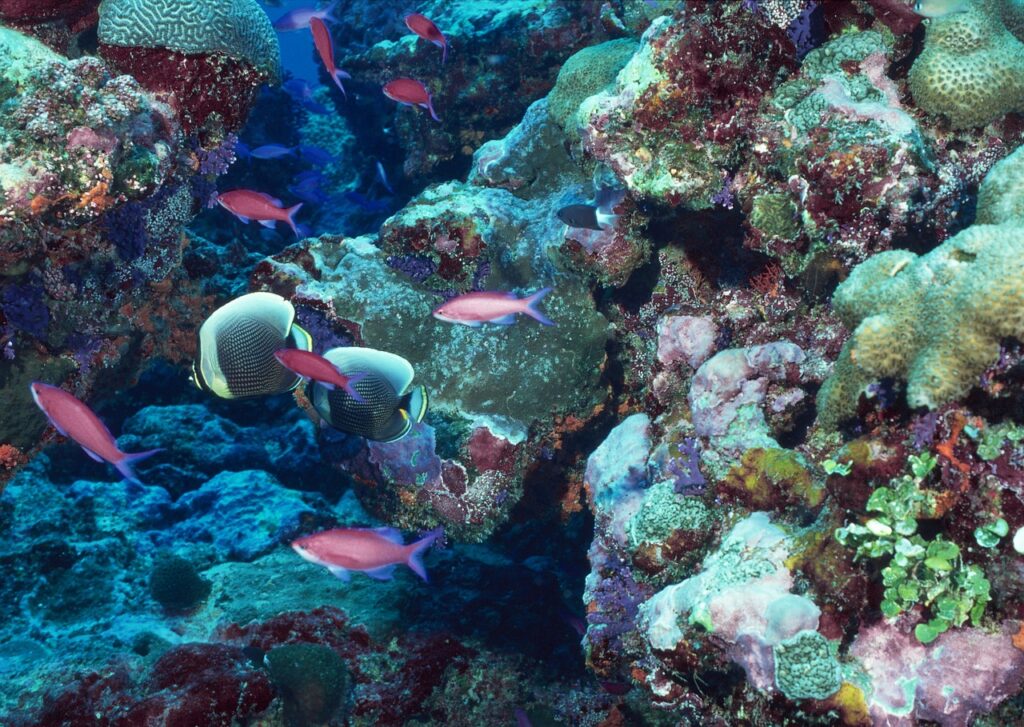
Reef-building corals show many shapes, and each form fits a role. They grow as branching, digitate, table-like, and massive types. Some corals form smooth mounds, others make thin plates or finger-like pillars.
Pillar corals and soft corals add extra variety to reefs like the Great Barrier Reef.
Color in corals comes mainly from symbiotic algae, zooxanthellae, that live inside coral polyps. 16
About 6,000 coral species display bright browns, greens, blues, pinks, and reds, thanks to these algae and coral pigments.
Across the reef, color helps hide prey, attract partners, and signal stress. Divers, scientists, and tourists rely on this marine biodiversity for study, photo ops, and reef protection.
If you’re trying to “read” coral shapes on a swim, this cheat sheet helps:
- Branching corals: create a fish shelter fast, but can snap in storms.
- Massive (boulder) corals: slower growing, often more storm-resistant, great for long-term reef structure.
- Plates and tables: spread wide to catch light, often found where light is limited.
- Sea fans and sea whips: soft corals that flex with the current, they often face into the flow.
How fast do coral reefs grow each year?
Coral reefs can grow up to 10 centimeters, or 4 inches, per year in optimal conditions. Most reefs grow only a few centimeters annually, because coral polyps deposit calcium carbonate slowly. 18
Rates vary a lot, from 0.8 mm to 80 mm per year in many places. Researchers even reported growth up to 414 mm per year in the Celebes region. 17
Warming ocean temperatures, coral bleaching, and ocean acidification, due to climate change, often slow growth and harm symbiotic algae that feed corals.
Places like the Great Barrier Reef and French Frigate Shoals show wide differences, linked to local stress and loss of marine biodiversity.
NOAA notes growth speed depends heavily on coral type, so here’s a more “apples to apples” view:
| Coral type | Typical growth potential |
|---|---|
| Fast branching hard corals | Up to about 10 cm per year in height or length |
| Dome and plate hard corals | About 0.3 to 2 cm per year |
| Soft corals | About 2 to 4 cm per year |
Types of Coral Reefs
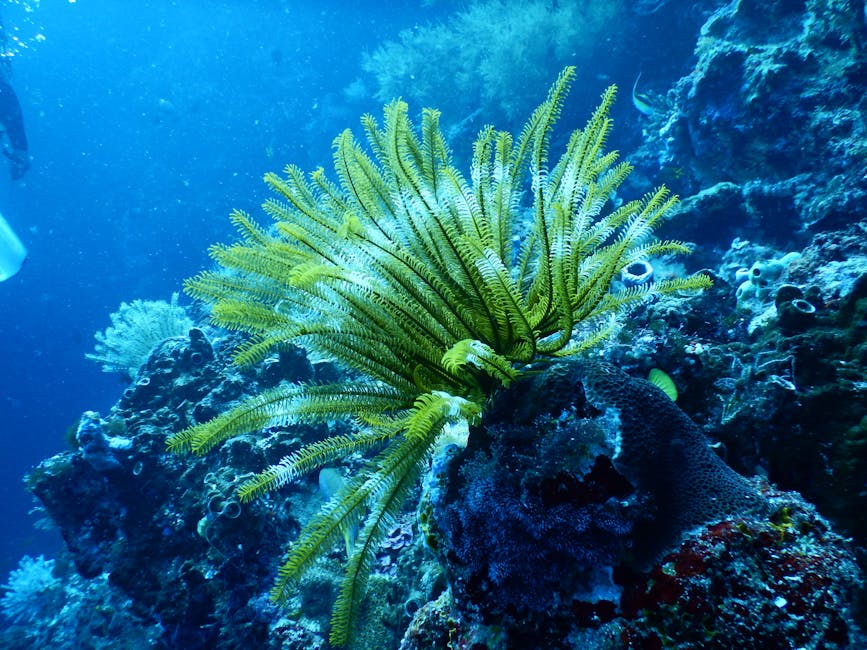
Explore the three reef types, their shapes, and where they form, from shallow shores to undersea mountains, with clear notes on reef-building and coral polyps. This short guide links coral reef ecosystems, marine biodiversity, and how each type supports life and local economies.
In the continental U.S., Florida’s Coral Reef stretches about 350 miles, and Florida Keys National Marine Sanctuary protects North America’s only coral barrier reef, which makes the reef “type” feel very real, not just a textbook concept.
| Reef type | Shape | Common “where” |
|---|---|---|
| Fringing reefs | Close to shore | Island and continental coastlines |
| Barrier reefs | Offshore with a lagoon between the reef and the land | Coasts with wide shelves and steady growth conditions |
| Atolls | Ring-shaped reef with a lagoon inside | Over sinking volcanic islands |
What are fringing reefs?
Fringing reefs grow close to the coastlines of islands and continents. They form right along the shore, and coral polyps lay down calcium carbonate to build the reef. These reefs are the most common type of coral reefs, and they support rich marine biodiversity and marine life. 19
A narrow, shallow lagoon often separates a fringing reef from the beach, creating sheltered pools for fish and algae. Reef building there supports coral reef ecosystems, local fishers, and tourism, much like parts of the Great Barrier Reef and the seamounts chain near Hamelin Pool. 6
- Best for beginners: fringing reefs are often accessible from shore or short boat rides.
- Big risk: they take the first hit from runoff and sediment when coastal development increases.
What are barrier reefs?
Barrier reefs sit offshore, separated from the coastline by deeper, wider lagoons. They form long, curved chains of coral, built by coral polyps and other marine life, and they host huge marine biodiversity in coral reef ecosystems. 20
The Great Barrier Reef in Australia is the world’s largest barrier reef, and satellite imagery helps scientists map it. Lagoons between reef and shore act like buffer zones, reducing wave energy and protecting coasts, while also supporting fisheries and tourism.
- U.S. example: the Florida Keys region includes North America’s only coral barrier reef.
- Why it matters: Barrier reefs often provide major coastal protection because they sit between land and open ocean swells.
What are atolls?
Atolls form from fringing reefs that surround volcanic islands, as the islands slowly sink. 21 These ring-shaped reefs sit atop submerged volcanoes, and coral polyps keep adding calcium carbonate, so coral reef ecosystems stay near the sea surface.
Scientists link atolls to rich marine biodiversity; they host fish, crustaceans, and soft coral that support coastal fishing and tourism. The Great Barrier Reef and other coral reefs show how coral reefs protect shorelines and feed economies.
- Snorkeling tip: Atoll lagoons can look calm, but passes and channels may have strong currents.
- Conservation note: Atolls are often low-lying, so sea level rise can impact both reefs and nearby communities.
Symbiotic Relationships in Coral Reefs
Coral polyps host symbiotic algae, called zooxanthellae, which feed reefs through photosynthesis, help build calcium carbonate skeletons, and suffer when ocean temperatures rise, so read on to learn more.
How do corals and algae work together?
Tiny algae called zooxanthellae live inside coral polyps in a close symbiotic relationship. The algae do photosynthesis and send energy to the corals, which fuels reef growth and gives coral reefs much of their color. 22
They get a safe home inside tissue, and the polyps get food and bright hues in return.
This give and take keeps reef ecosystems vibrant, and it supports marine biodiversity. Rising ocean temperatures, from climate change or strong El Niño events, can break that bond and trigger coral bleaching.
Bleached reefs lose color and energy, and they then struggle to feed and grow.
A practical detail that makes this feel real: NOAA notes the algae can provide as much as 90% of the organic material they produce to the coral host, so when that partnership breaks, corals lose a huge part of their everyday “food budget.”
How does overfishing affect coral reef ecosystems?
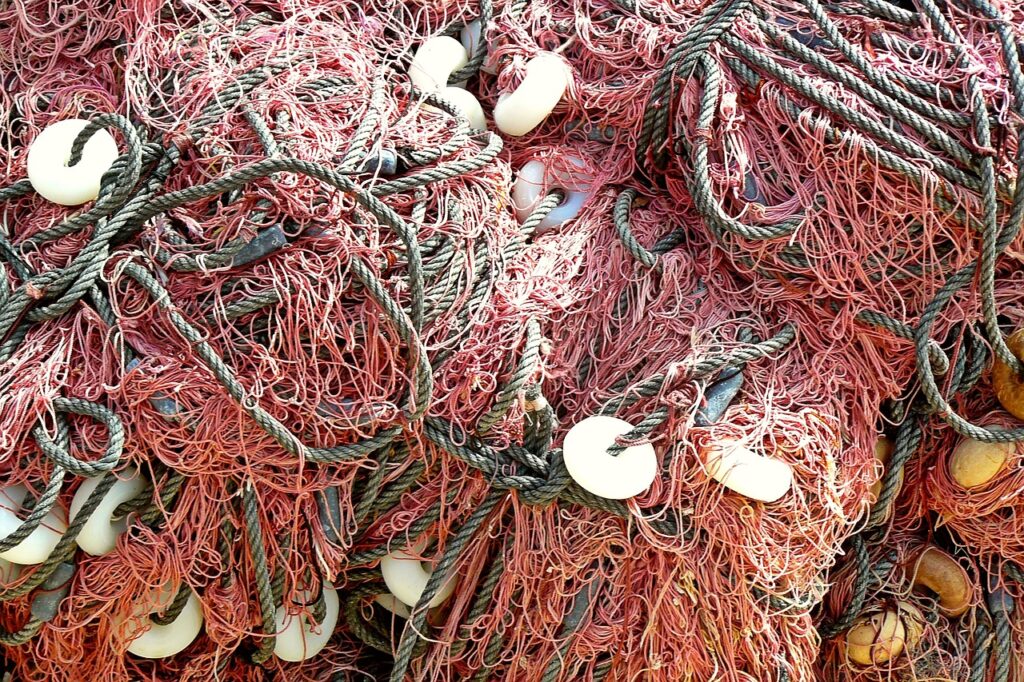
Overfishing strips reefs of key fish, which causes food shortages for other species and breaks food chains. 23
Fish that graze algae disappear, so algal mats smother coral polyps and block sunlight for symbiotic algae.
Destructive fishing practices, like bottom trawling, crush coral structures and tear habitat apart. 24
Reefs, including the Great Barrier Reef, grow weak and face higher risks of coral bleaching and disease.
Loss of fish diversity tilts the balance toward fewer predators and more pests, which shifts marine biodiversity fast. Scientists warn that weaker reefs fall behind in coral reef conservation goals, and they suffer more from climate change and ocean temperatures.
Communities that rely on reefs for food and income feel the hit, too. Managers must stop destructive methods, protect fish stocks, and let reefs recover.
If you want quick signs that a reef is out of balance, watch for:
- Too much algae: thick mats growing over hard coral and reef rock.
- Fewer grazers: not many parrotfish or surgeonfish in areas that used to have them.
- Smaller fish sizes: lots of tiny fish, very few adults, which can signal heavy fishing pressure.
- Damaged structure: broken coral colonies and crushed reef-building habitat.
How do climate change and ocean acidification threaten coral reefs?
Greenhouse gas emissions warm ocean water, and warm water triggers coral bleaching, which disrupts the symbiotic algae inside coral polyps and robs corals of color and food. Ocean acidification lowers seawater pH, cutting calcification rates in coral and making skeletons weak.
Sea level rise and altered storm patterns erode reef structure, and changed precipitation brings more sediment and pollution that smother marine life. 25
Agencies use satellite data and models to track rising ocean temperatures; they call climate change the greatest global threat to coral reef ecosystems. Other stressors, like runoff, sunscreen chemicals, and overuse of fishing, push reefs past their limits, reducing marine biodiversity and the diversity of life.
Local coral reef conservation, reef-safe sunscreen, and strong climate change policy can slow damage and help coral reef protection.
In the IPCC’s 1.5°C report, coral reefs are projected to decline 70 to 90% at 1.5°C of warming, with losses above 99% at 2°C.
How do pollution and sediment harm coral reefs?
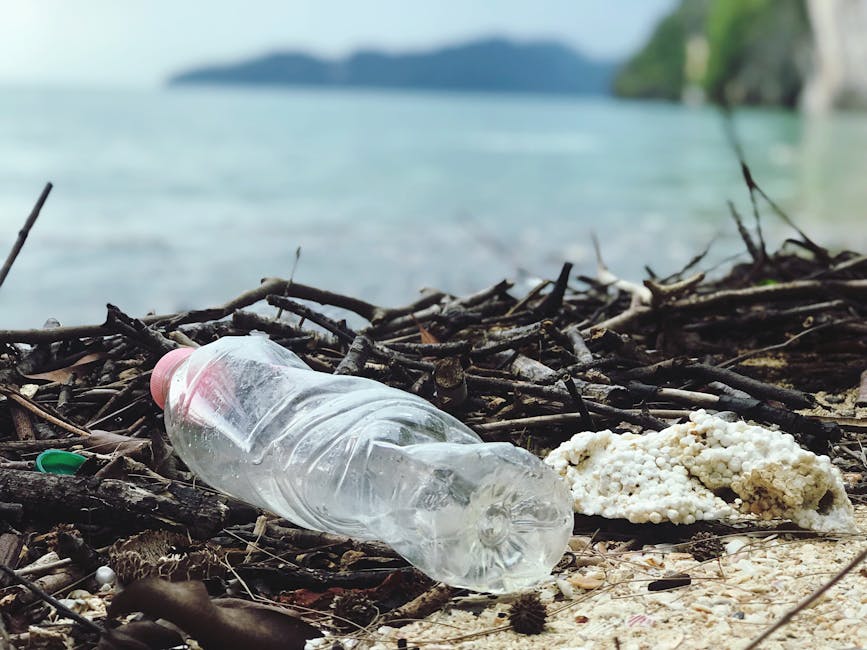
Sediment from coastal development and agriculture smothers coral reefs, covering coral polyps and stopping them from feeding and growing. 26
Nutrient pollution from fertilizers and sewage fuels harmful algae blooms, which block sunlight and suck oxygen from the water, and that starve the symbiotic algae that corals need.
Toxic metals and pesticides impair coral reproduction and stunt growth, and such pollution can trigger coral bleaching, leaving reefs pale and fragile. Marine debris, especially plastics, sits on reef tops and cuts off light; it also tangles fish and turtles, and animals ingest pieces that poison them.
Rivers can wash heavy loads of dirt and trash onto places like the Great Barrier Reef after storms, and agencies like the Australian Institute of Marine Science (AIMS) and Great Barrier Reef Marine Park Authority track these threats through monitoring programs.
In Florida Keys studies, harmful algal bloom impacts have been estimated to cost hundreds of millions of dollars in a “normal” year, and far more in extreme events, which shows why clean water is not just a nature issue; it’s an economic one.
- At home: reduce fertilizer use and keep grass clippings out of storm drains.
- On the water: never dump trash, and secure gear so it doesn’t blow overboard.
- As a traveler, choose operators that use mooring buoys and teach low-impact snorkeling.
Why are coral reefs important for coastal protection?
Coral reefs act like giant seawalls; they cut wave energy by up to 97%. 8
Reef structures, built by coral polyps, slow storm surge and stop sand loss. The Great Barrier Reef and others protect about 45,000 miles, 71,000 kilometers, of coastline worldwide. 8
Roughly 200 million people rely on reefs for coastal protection and safety.
Rising ocean temperatures and coral bleaching make reefs weaker, and storms hit harder. Healthy reefs mean stronger coral reef protection and more marine biodiversity along shores.
Communities use reef data and coastal maps to plan defenses, and they value reefs as natural infrastructure. Keep reefs healthy, and coastlines gain better shelter from waves and floods.
If you live near coasts, reef protection often ties into choices that feel indirect but add up:
- Support water-quality upgrades: cleaner coastal water helps coral colonies resist stress.
- Back habitat rules: boating and fishing regulations help protect reef-building zones.
- Vote and advocate locally: coastal planning decisions can either reduce or increase sediment and nutrient loads.
How are coral reefs used in medicine and scientific research?
Researchers use reef species to find new medicines. They study compounds from soft coral, sponges, and other marine life to fight cancer, pain, and viral infections.
Divers transplant nursery-grown fragments, part of coral farming, transplantation, and artificial reefs projects on the Great Barrier Reef, and that hands-on work supports research into resilience against climate change.
Scientists study coral polyps and their symbiotic algae to learn stress responses to rising ocean temperatures and coral bleaching. This work helps guide coral reef conservation and coral reef protection plans.
Reefs have hosted life for over 500 million years, surviving mass extinctions, so researchers use them as natural labs for evolution, carbon cycling studies, and to test reef-safe sunscreen impacts on marine ecosystems.
A few well-known examples show how “reef research” can turn into real-world medicine:
- Cytarabine (Ara-C): an anticancer drug inspired by nucleosides first isolated from a Caribbean sponge in the 1950s.
- Vidarabine (Ara-A): an antiviral drug also linked to those early sponge-derived discoveries.
- Ziconotide: a powerful pain medication based on a cone snail peptide and approved for severe chronic pain in specialized care.
What will happen if coral reefs are not conserved?
Coral reefs will lose most of their life if people do not act. Up to 90% of reefs face risk from overfishing, pollution, and climate change.
More than 50% of reefs vanished in the last 30 years, and around 30% now lie severely damaged.
Scientists warn reefs could disappear by 2050, after mass coral die-offs from high ocean temperatures in 2023. 27
Fishing communities will lose food and income. Tourism will drop, hurting local economies and global travel brands. Coastal towns will face stronger storm damage, with less natural protection.
Researchers will lose drug leads from coral reef ecosystems used in medicine and scientific research. The loss would cut marine biodiversity, harm coral reef conservation efforts, and worsen climate change effects on marine life.
One benchmark that puts urgency on the table: the Global Coral Reef Monitoring Network reported a loss of about 14% of the world’s coral since 2009, tied strongly to heat stress and bleaching.
Conclusion
Coral reefs pack an incredible amount of marine life into a small space, which is why they matter so much.
We saw how coral polyps and their symbiotic algae build reef structure, and why heat can trigger coral bleaching.
We also covered how reefs support jobs and tourism, and how they protect coastlines by cutting wave energy.
Small choices help, like following sanctuary rules, using reef-safe sunscreen, and supporting coral reef conservation where you live or travel.
If we protect coral reefs now, we keep these marine environments thriving for future swimmers, fish, and coastal communities.
FAQs
Coral reefs are busy, living structures built by tiny animals called coral polyps. They support vast marine biodiversity, shelter marine life, and help the environment.
Coral bleaching happens when ocean temperatures rise, and the heat stresses coral polyps. Stressed corals lose their symbiotic algae, which breaks the symbiotic relationship and makes the coral turn white. Coral polyps have a tiny stinging cell, but that does not stop long heat spells.
Climate change raises ocean temperatures, and the impact of climate change damages coral reef ecosystems across marine environments.
Use reef-safe sunscreen, cut pollution, and support coral reef protection rules. Every little bit helps; small acts keep marine ecosystems healthier.
No, soft corals do not make the hard skeleton that forms reefs. The Great Barrier Reef grew from many coral polyps over thousands of years. It shows how coral reef ecosystems boost marine biodiversity.
Disclaimer: This content is informational only and does not constitute professional advice. Some links may be affiliate links. References are provided for source information.
- https://oceanservice.noaa.gov/facts/coral_species.html (2024-06-16)
- https://oceanservice.noaa.gov/facts/coral.html (2024-06-16)
- https://www.coris.noaa.gov/about/what_are/
- https://coral.org/en/coral-reefs-101/why-care-about-reefs/food/
- https://www.reefrelief.org/wp-content/uploads/2015/01/coral-reef-teachers-guide-by-wendy-weir.pdf
- https://rajaampatbiodiversity.com/coral-reef-fascinating-facts/
- https://reef-world.org/blog/surprising-coral-facts
- https://coral.org/en/coral-reefs-101/why-care-about-reefs/coastal-protection/
- https://oceanservice.noaa.gov/facts/coral_protect.html (2024-06-16)
- https://oceanservice.noaa.gov/education/tutorial_corals/coral03_growth.html (2024-12-12)
- https://www.psu.edu/news/research/story/better-access-sunlight-could-be-lifeline-corals-worldwide-study-finds (2023-01-10)
- https://www.unep.org/news-and-stories/story/worlds-corals-are-bleaching-heres-why-and-what-it-means-oceans-future
- https://scripps.ucsd.edu/news/mysterious-glow-coral-reefs
- https://www.noaa.gov/education/resource-collections/marine-life/coral-reef-ecosystems (2025-09-25)
- https://coral.org/en/coral-reefs-101/why-care-about-reefs/tourism/
- https://education.nationalgeographic.org/resource/coral/ (2024-11-21)
- https://answersingenesis.org/aquatic-animals/how-long-does-a-coral-reef-take-to-grow/?srsltid=AfmBOopGPsXE4aFU2nR9yVJp2FJ6nF4c6hLlUze2qb01y3clUslvp_2a
- https://coral.org/en/coral-reefs-101/how-coral-reefs-grow/
- https://coral.org/en/coral-reefs-101/types-of-coral-reef-formations/
- https://www.epa.gov/coral-reefs/basic-information-about-coral-reefs
- https://www.usgs.gov/centers/pcmsc/coral-reef-facts
- https://news.asu.edu/20230227-solutions-deciphering-mysterious-relationship-between-coral-and-algae (2023-02-27)
- https://www.gviusa.com/blog/smb-coral-reefs-and-overfishing-a-dangerous-combination/ (2023-02-26)
- https://oceanservice.noaa.gov/facts/coral-overfishing.html (2024-06-16)
- https://oceanservice.noaa.gov/facts/coralreef-climate.html (2024-06-16)
- https://www.epa.gov/coral-reefs/threats-coral-reefs
- https://climate.mit.edu/ask-mit/what-would-happen-if-we-lost-all-coral-reefs (2023-11-16)

 Earthava is an environmental collective designed to turn awareness into impact. From deep dives into ecology to daily sustainable swaps, we provide the tools and intel you need to protect the ground you stand on.