

On Sunday, 8th May, 2016, Germany experienced a beautiful sunny day with high winds. Aside from enjoying the lovely sunshine, German citizens found themselves benefiting from a rather unexpected side effect: for a few hours, customers were actually being paid to consume energy. You read that right; in this era of spiralling energy costs and depleting supplies of fossil fuels, Germany had so much energy it had to pay people to get rid of it.
What felt extraordinary in 2016 has since become routine: Germany logged over 457 hours of negative electricity prices in 2024 alone and surpassed that figure by August 2025.

The ideal conditions for generating renewable energy saw wind, solar, and hydroelectric plants produce an impressive 54.6GW of power. That’s around 80 per cent of the total 68.4 GW of power that Germany consumes. With a massive chunk of the country’s energy being generated from clean sources, there was a massive surplus of energy available in the system. Due to this, the cost of energy reached negative levels for around half of the day, with prices hitting lows of -€130 per MWh.
This is clearly very impressive and indicates that there is a huge amount of potential in what can be achieved with renewable energy. We are in the midst of Germany’s energy revolution, and it is embracing the new technologies that we are going to need to adopt over the coming years. The world has lots to learn from following Germany’s example, so here are five lessons we can take from Germany’s renewable energy.
Lesson 1: Join up government policy

Firstly, we need to look at how Germany has become a world leader in producing renewable energy. Thanks to a government initiative known as Energiewende (German for ‘energy transition’), the country is taking energy very seriously.
In 2000, the net generation from renewable energy sources in Germany was around 6%. In 2014, that figure had risen to more than 30%. That’s a huge jump, and it has most likely come about because of the policy of the government to prioritise renewables. Renewables accounted for 62.7% of Germany’s net public electricity generation in 2024, up from around 6% in 2000, making the Energiewende one of the most measurable energy transitions in history.
Official figures show that there are now more than 387,700 people employed in the renewable energy sector, and a huge number of these jobs are attributed to the Renewable Energy Sources Act.
The true success of Energiewende has come from the government’s understanding that it would need to work through different administrations to achieve its ambitious goals. The current targets look to 2035 and beyond, indicating that this is a generational challenge. This shows that if the rest of the world wants to follow Germany’s lead, they need to put aside petty politics to strive for a larger goal.
Lesson 2: Diversification is key
Part of the reason for the incredible turn of events that led to energy producers paying for their energy to be used came down to the amazing capacity of energy taken from solar PV panels. It is arguably solar power where Germany truly comes into its own. In 2014, Germany led the world in solar capacity with more than 38 gigawatts. In context, that was more than the UK, the United States, France, and Spain combined.
Today, that figure has grown to over 100GW, though Germany now ranks third globally, far behind China’s more than 1 terawatt of installed solar.
On peak sunny days, solar has briefly covered the majority of Germany’s instantaneous power demand, but as an annual average, solar provided around 15% of Germany’s electricity in 2024, its highest share on record.
You might assume that Germany’s dominance in the solar market means it has neglected other forms of energy, but actually a key to its success is the fact that it has diversified its renewables. In fact, its wind capacity in 2014 was actually higher than solar at around 39 gigawatts. A lot of money has also been put into hydroelectric and biomass energy sources. A broader profile of energy sources can only be a good thing.
Lesson 3: Tough goals lead to great results
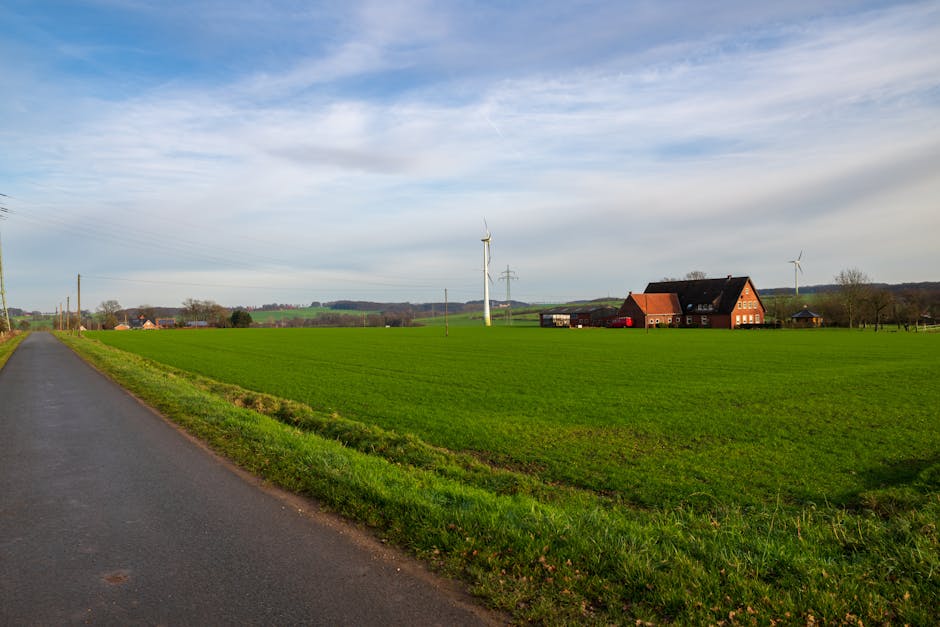
In 2010, the German government released a policy document regarding Energiewende, which set out a bold list of targets. These targets were even more ambitious than those set by the EU. Germany’s 2020 target of 35% renewable electricity was comfortably surpassed; renewables hit approximately 46% in 2020. The targets have since been significantly tightened: the updated Renewable Energy Sources Act (2023) now legally requires 80% renewable electricity by 2030 and 100% by 2035.
The government also set targets for greenhouse gas emissions. It met its target of a 40% GHG reduction vs. 1990 levels (achieving 40.4% by 2022). The current Climate Change Act requires a 65% reduction by 2030, at least 88% by 2040, and net zero by 2045. Some critics have suggested this target is unrealistic and unachievable, but Germany has continued to surpass expectations.
Lesson 4: Don’t forget flexibility
So far, all of the lessons that we have taken from Germany’s energy revolution have been positive ones. But it’s also important to learn from the mistakes that have been made along the way. If we return to the point that Germany was having to pay people to consume energy, it might be easy to look at this purely as a good thing. But unfortunately, it also points to a weak point in the system.
In a well-functioning energy system, it should clearly never be the case that energy producers pay consumers to use their energy. That’s hugely unsustainable. The reason it happened was the fact that many of Germany’s conventional power plants – specifically those running on coal and nuclear power – aren’t able to shut down quickly to stop producing energy. So that meant when the high levels of renewable energy were pushed into the system, they had nowhere for their energy to go.
Moving forward, Germany needs to gain more flexibility in the system so that traditional plants can shut down and compensate for large spikes in clean energy generation. If Germany had improved their power storage technology and grid management, it would have been in a far better situation.
Lesson 5: It will be expensive – especially for citizens
Once again, you might imagine that all this incredible clean energy hanging around in the system has driven down energy prices across the country. But it’s not the case at all. Germany continues to have the highest household electricity prices in the EU, €38.69 per 100kWh in the second half of 2025, roughly 34% above the EU average of €28.96. The cost of the energy transition remains a significant burden for consumers, with taxes, grid fees, and levies making up the majority of the bill.
 Earthava is an environmental collective designed to turn awareness into impact. From deep dives into ecology to daily sustainable swaps, we provide the tools and intel you need to protect the ground you stand on.