
Ten Sustainable Perfumes, all at different price points, all at different levels of honesty about what “clean” actually means to them. Here’s what we found.

tl,dr Top Picks
| Product | Price | What Actually Backs the Claim | Best For | |
|---|---|---|---|---|
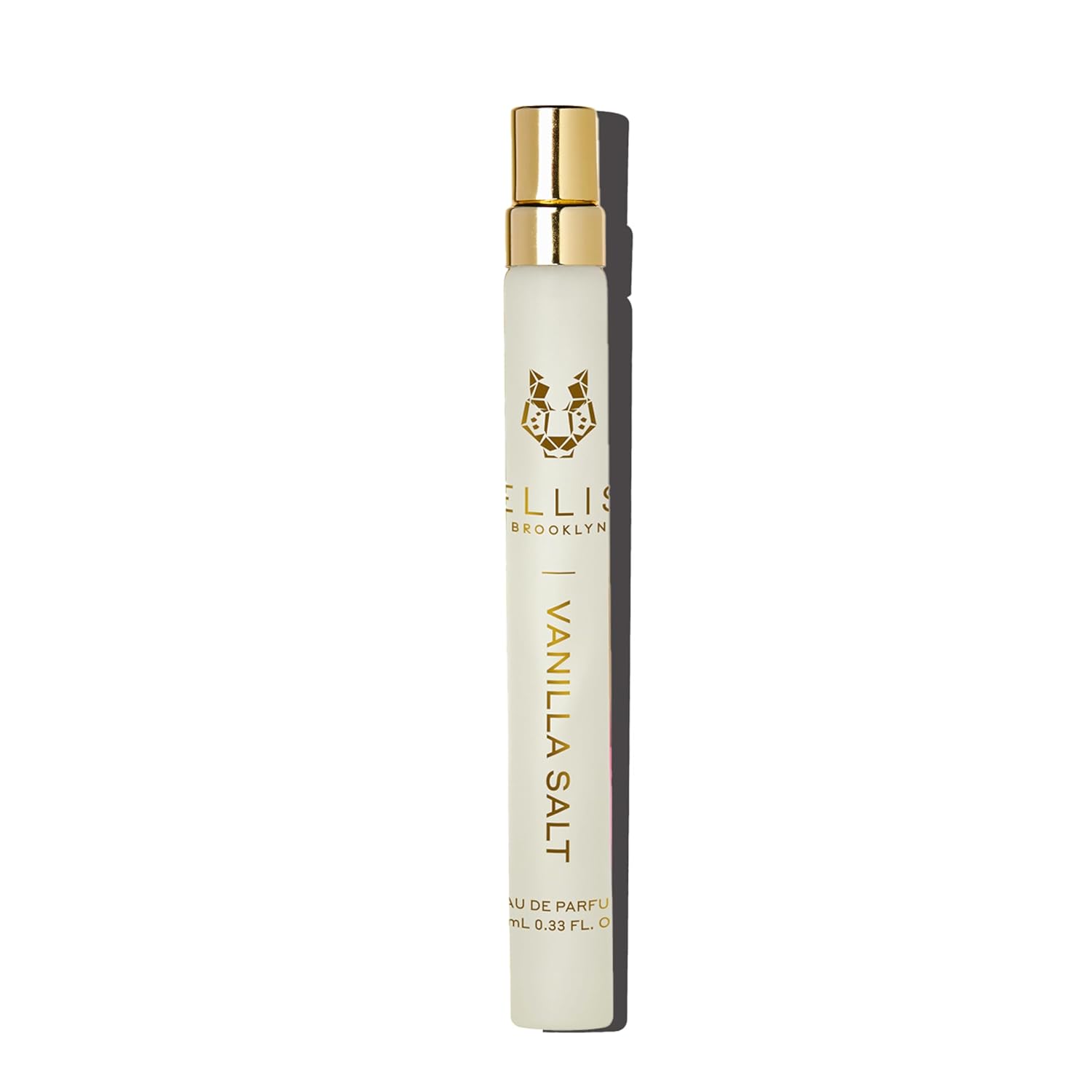 | Ellis Brooklyn Vanilla Salt EDP | $33–36 | UEBT-verified benzoin sourcing from Laos, Givaudan vanilla program funds schools/health centers in sourcing communities, PETA-certified cruelty-free | Anyone who wants proof, not promises |
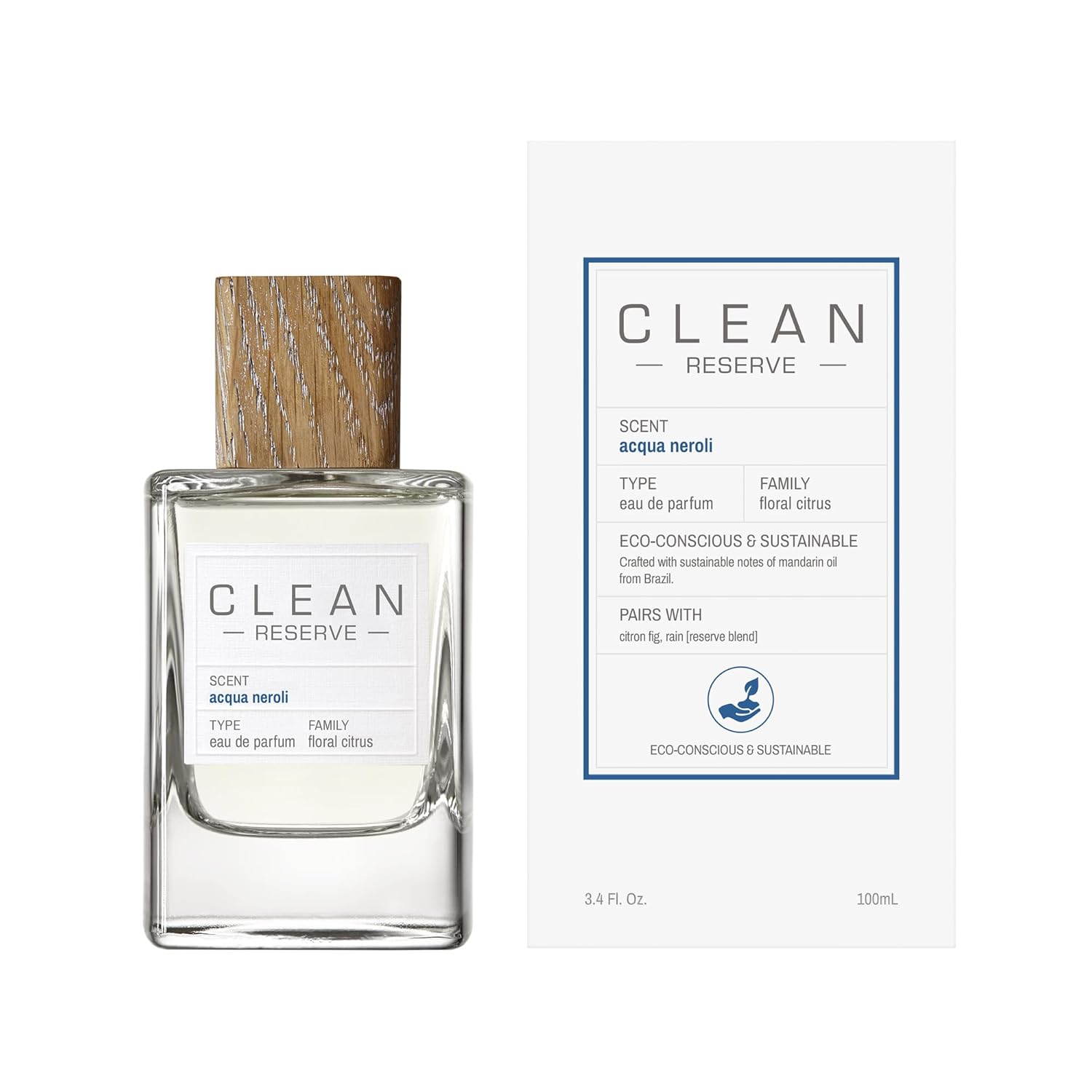 | Clean Reserve Acqua Neroli | $80–100 | Sustainable Spanish wood cap, corn-derived compostable cellophane, free of parabens, phthalates, dyes, propylene glycol, mineral oil | A daily scent with real packaging accountability |
 | Kuumba Made Vanilla Bean Oil | $12.49 | WBENC-certified woman-owned business, alcohol-free formula, genuinely small batch, not mass production wearing that label | Lowest price with the most verifiable business credentials |
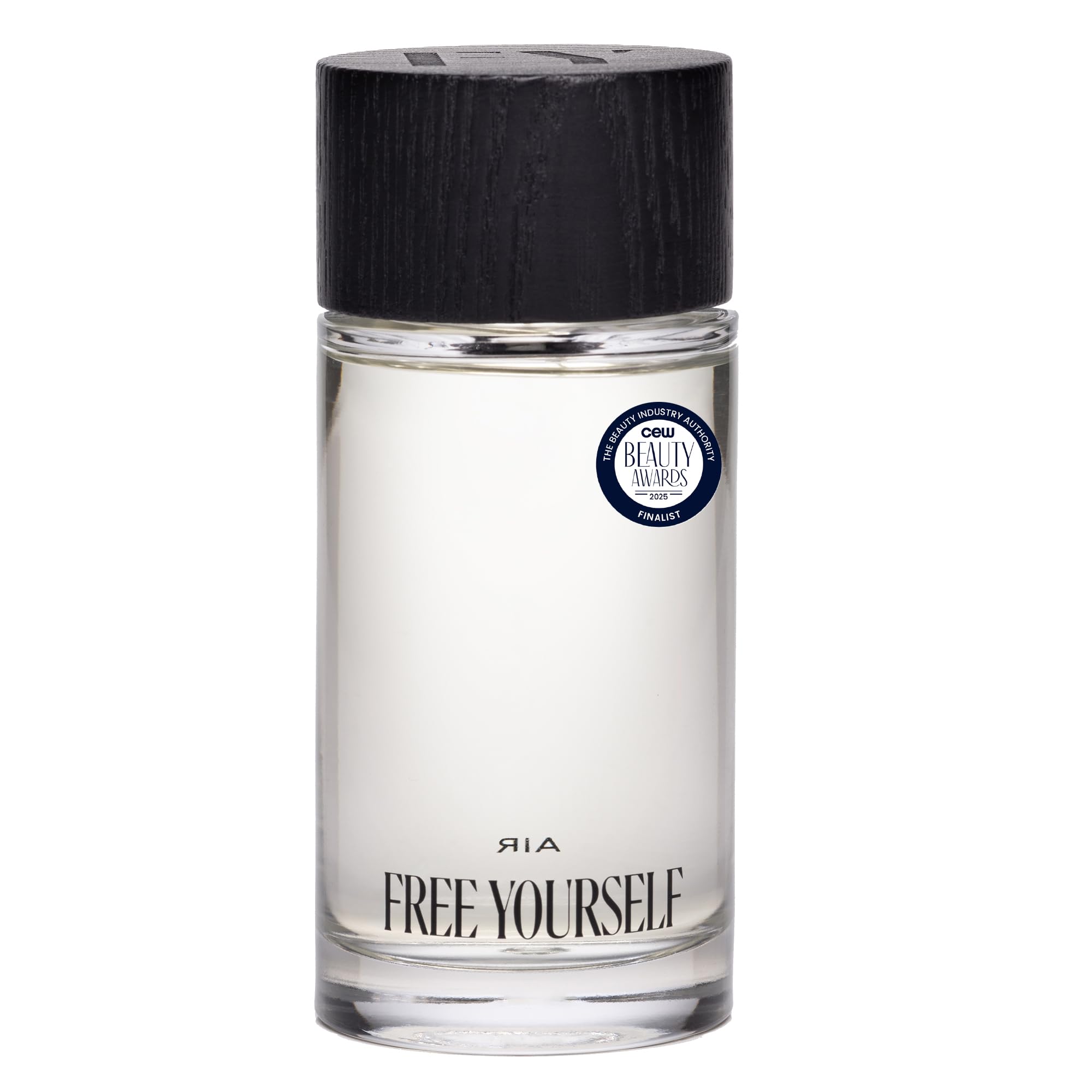 | Free Yourself AIR EDP | $42+ | Fully published ingredient list, named perfumer with credentials, natural/naturally-derived botanicals paired with disclosed safe synthetics | Readers who want to check the formula themselves |
1. CLEAN Reserve Eau de Parfum
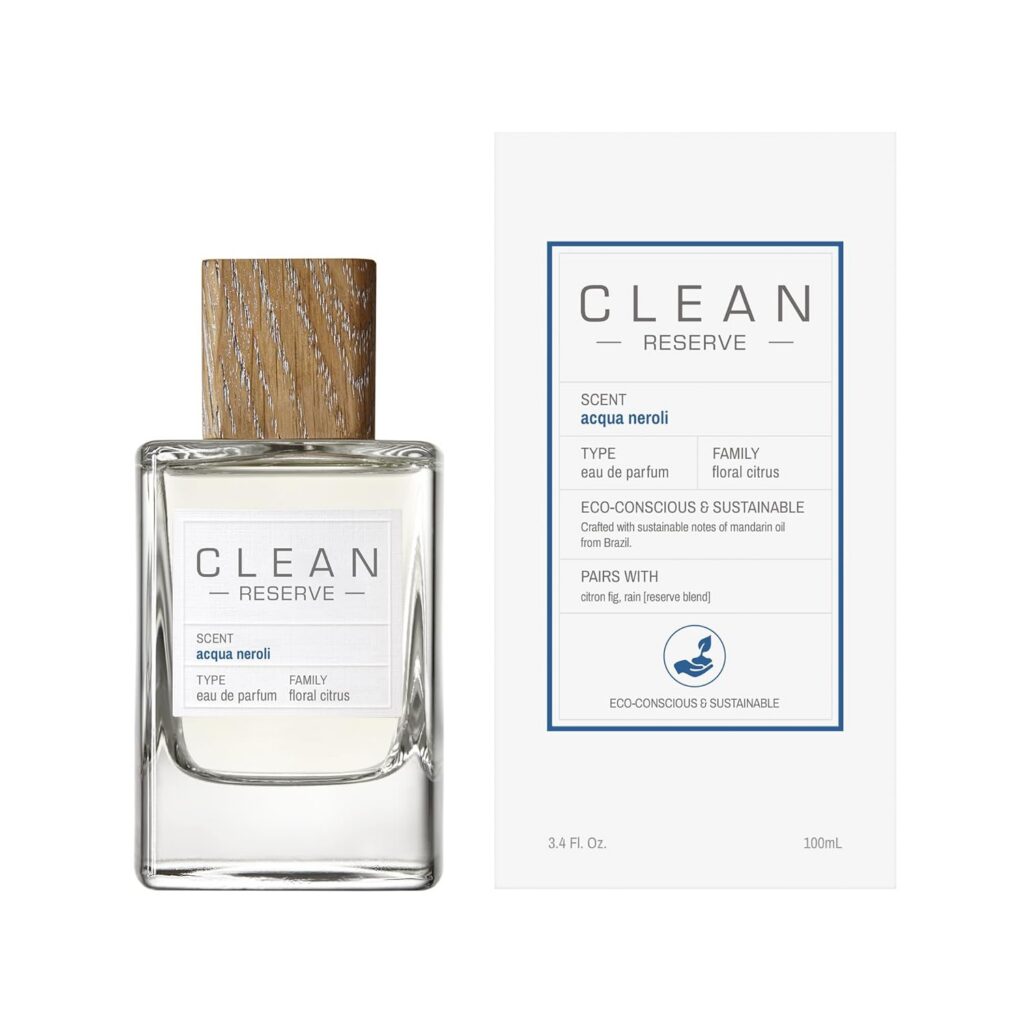
Opens with bergamot, sharp citrus, the kind that hits you before anything else even shows up. Neroli follows right behind it, a little sweet, a little waxy, that specific floral thing neroli always does.
Sandalwood and musk underneath, and that’s really what holds the whole thing up once the top notes burn off, which happens faster than you’d want.
People on fragrance forums keep bringing up how close this smells to Tom Ford’s Neroli Portofino. A few Fragrantica reviewers mention the orange eventually takes over and the neroli gets pushed out; the drydown ends up more soapy than floral. Fair criticism. So if you want neroli to be the star, this probably isn’t it. But if you want something that smells a lot more expensive than it costs, without paying Tom Ford money for it, this does that job fine.
The sustainability angle actually holds up when you dig into it, which isn’t always the case with these brands. Cap’s made from sustainable Spanish wood. The cellophane wrapping the box is corn-derived and genuinely compostable. Also, no parabens, no phthalates, no synthetic dyes, no propylene glycol, no mineral oil in there. Vegan, cruelty-free too.
Price is around $80 to $100 for the 3.4 oz depending on where you buy it. Sephora, Kohl’s, Amazon all carry it.
2. Ellis Brooklyn VANILLA SALT Eau de Parfum

Ellis Brooklyn Eau de Parfum is different from the last one, because if you’re expecting another citrus fragrance, that’s not it. You get sea salt first, then this weird mineral, almost watery note, kind of like desert water, whatever they mean by that, but you get it once you smell it. Then jasmine and ylang ylang show up and soften things out. And then vanilla, the actual Madagascar vanilla, comes in at the end with musk and these woods they call blonde woods, which just means light and not too heavy.
The perfumer behind this is Adriana Medina, and you can tell someone who knows what they’re doing put this together, because sweet and salty is a hard balance to land and this doesn’t feel like it’s fighting itself.
Here’s what we actually care about, though. Ellis Brooklyn sources the benzoin in this from Laos, and it’s UEBT verified, which just means there’s an actual paper trail proving it was harvested responsibly, not just a claim on a label.
The vanilla absolute comes through Givaudan’s sourcing program, and part of what you pay for goes toward building schools and health centers in the communities where that vanilla grows. That’s not nothing. It’s paraben-free, phthalate-free, PETA-certified, cruelty-free, fully vegan.
It’s tiny though, and we mean that as a warning, not a knock. 10ml, 0.33 fl oz. This is a travel spray, made for your bag or your carry-on, TSA-friendly, meant for topping up during the day, not your main bottle sitting on your dresser.
Runs around $33 to $36, and it does sell out often, so if you see it in stock, that’s probably not a coincidence you can count on twice.
3. Armaf Club de Nuit Precieux IV

This one doesn’t have the sustainability story the last two had. No sourcing certifications, no compostable cellophane, no supply chain transparency page.
What Armaf gives you is paraben-free, phthalate-free, and cruelty-free, tested by third parties like SkinSafe to confirm it, and vegan-friendly on top of that. That’s real, and it matters, but it’s not the same depth of commitment we saw with the Ellis Brooklyn pick.
So why’s it on this list? Because “sustainable” doesn’t have to mean “expensive,” and this bottle proves that point better than almost anything else we could put in front of you. You’re looking at bergamot and mandarin up top, pink pepper giving it a little kick, then jasmine and rose settling into the middle with patchouli underneath that. Base notes wrap things up in amber, musk, cedarwood, vanilla, the whole warm and woody combination that makes this smell way more expensive than what you’re paying.
And what you’re paying is genuinely moderate for some or low for those who are really into perfumes and pay a lot for them. We’re talking under $50 for a bottle that’ll last you months if you’re not spraying with a heavy hand. Reviewers keep comparing this line to niche and designer houses costing four or five times as much, and the comparison isn’t unreasonable once you actually smell it on skin.
We’d point this one toward someone building a rotation without blowing their whole budget on one bottle, someone who wants clean ingredients without paying clean-brand prices. If a full sourcing story matters more to you than the price tag, this probably isn’t your pick. But if you just want something that doesn’t have parabens and phthalates in it, smells expensive, and won’t wreck your wallet doing it, this earns its spot.
4. Kuumba Made Vanilla Bean Fragrance Oil

Forty-five years and it’s still one woman running this thing. Denise Kuumba Piazza started making oils from scratch, learned coconut oil extraction on a trip through the Caribbean at nineteen, and built a business around it that’s still hers, still small, still WBENC certified as a woman-owned company. You’re not buying into a corporate fragrance house wearing a sustainability badge here. You’re buying from someone whose name is literally in the product.
That history shows up in how the thing is made too. No alcohol in this formula at all, just jojoba and safflower oils carrying the scent, which means it goes on your skin instead of evaporating off it in a cloud. You get coffee bean, amber, and musk, layered into something warm and a little dark rather than sugary sweet like most vanilla fragrances go. Roll it on your wrists, your neck, wherever you’d normally spray, and it stays close to your skin instead of filling up the whole room.
Vegan, cruelty-free, and it’s genuinely small batch, not a marketing phrase stretched over mass production.
Twelve dollars gets you this. That’s the number that should stop you for a second, because everything else on this list runs somewhere between thirty and a hundred, and here’s a bottle with real ingredient integrity and an actual human behind it costing less than a movie ticket for two. It’s tiny, 0.15 fl oz, so don’t expect this to be your everyday, all-day bottle sitting on the bathroom counter.
Think of it as the one you toss in your bag, or the one you hand someone who wants to try clean fragrance without committing real money to it first.
5. INDIRA Vanilla Muse, Eau De Parfum

If you read the actual ingredient list on this one, you’ll spot FD&C Yellow 6 sitting near the bottom. That’s a synthetic dye, the kind added purely for color, nothing to do with scent or performance. It doesn’t cancel out everything else Indira does right here, but a brand claiming “clean ingredients” on its homepage should probably leave dye out of the conversation.
Past that one line, the formula holds up. Vegan, IFRA compliant, no parabens, no phthalates, no sulfates, cruelty-free. Made in the UAE using French fragrance oils at a 20 percent concentration, which is high for an eau de parfum and explains why a couple sprays carry you through most of a day.
The scent itself opens with vanilla, cacao, and cinnamon together, more spiced than sweet, then lavender shows up in the middle to keep it from turning into dessert. Vanilla comes back at the base and just sits there quietly, close to the skin instead of announcing itself across a room.
This one lands well if you’ve already gone through the usual vanilla lineup and found most of them too candy sweet, and want something with a little spice pushing back against the vanilla instead of drowning in it, and you get it for only 25$ as for the 10ml bottle, and 80$ for the 100ml bottle, that give you some room to try the smaller size first without commit to the larger one.
6. Maison Alhambra Coral Blush, Fruity, Green, Chypre, Sweet, Eau de Parfum Spray

Fifteen dollars gets you an entire bottle of this, eighty milliliters, and if you’ve been reading along, you already know that undercuts everything we’ve covered so far by a wide margin. Peach and blood orange crack open first, green leaves keeping the sweetness from tipping into syrup, patchouli settling things down through the middle, honey and cognac closing it out warm and a little boozy. People online keep calling it a dead ringer for Tom Ford’s Bitter Peach, and having read through enough of those comparisons, we’d say that’s not far off.
Here’s where this one falls short of everyone else on this list, though. Maison Alhambra calls it vegan-friendly and cruelty-free on the listing, full stop, no third-party name attached to either claim, no certification body, nothing to check against. Compare that to the paper trail Ellis Brooklyn keeps on its benzoin sourcing, or the SkinSafe verification behind Armaf’s paraben and phthalate claims. Coral Blush gives you a sentence. The others gave you receipts.
Does that disqualify it? Not entirely. A cheap fragrance that smells expensive and skips the worst offenders still beats a cheap fragrance loaded with synthetic junk and zero disclosure. Just don’t mistake a marketing line for a verified standard, and go in knowing this bottle earns its place through price and performance, not through proof.
7. QAWAFI Elysian Fields, Aqua Eau De Parfum

A company built inside the fragrance supply chain since 1997 eventually decided to put its own name on the bottle. That’s the short version of QAWAFI’s origin, and it explains a lot about what you’re getting here: a house that spent decades formulating for other people’s labels before launching one of its own, aimed squarely at making Middle Eastern-inspired luxury scents without the markup those inspirations usually carry.
Orchid and heliotrope open Berry, soft and a little powdery rather than sharp. Caramel and vanilla move in through the heart, and the base settles into musk and sandalwood, the kind of warm skin scent that reads more grown-up than the name Berry suggests.
Full retail through the brand’s own site runs $79.99, though fragrances like this one tend to circulate for considerably less once they hit third-party marketplaces, so shop around before assuming the sticker price is what you’ll actually pay.
The listing states the formula skips parabens, phthalates, and synthetic dyes entirely, and that the bottle itself goes into recyclable packaging. Same situation we ran into with the last brand though: this comes from QAWAFI’s own product copy, not from an outside lab or certifying group.
Anyone drawn to warm, musky vanilla scents but wary of designer price tags has a real contender here, so long as “clean formula” being self-reported rather than third-party verified doesn’t bother you.
8. Maison Alhambra Delilah Blanc, Citrus, Amber, Floral, Musky, Eau de Parfum Spray

Maison Alhambra Eau de Parfum gets compared constantly to Parfums de Marly’s Valaya, a fragrance that runs well over two hundred dollars for the real thing. Bergamot, mandarin, and white peach open things up bright and juicy, orange blossom and vetiver carry the middle with a little green edge running through the florals, and musk with vanilla close it out soft and warm on skin.
Reviewers split on this one. Some describe it as clean and summery, cotton sheets drying in the wind, that kind of thing. Others pick up something sharper, almost aquatic and synthetic, not the fresh peach they expected going in. Longevity gets consistent praise across both camps, seven hours plus reported more than once.
Made in the UAE, marketed through Lattafa Perfumes Industries, and running somewhere around twenty-five dollars depending on retailer. Same vegan-friendly, cruelty-free language as its sibling fragrance earlier in this list, and the same absence of a name behind those words to check them against.
Buy this one for the scent memory of a much pricier bottle at a tenth of the cost, not for a sustainability story with any real documentation behind it. Those are two different reasons to hand someone money, and this bottle only really earns one of them.
9. Rayhaan Terra, Spicy, Woody, Amber, Oriental, Eau de Parfum Spray

If you count the notes in this one, you’ll lose track, but we are doing it for you anyway: Frankincense, cardamom, elemi, bergamot, and pepper up top. Patchouli, anise, coriander, orange blossom, cumin, saffron, geranium, and rose in the heart. Vanilla, amber, oud, musk, benzoin, labdanum, birch further down. Fourteen ingredients or more depending on which listing you’re reading, which tells you this isn’t a simple three-note structure. It’s genuinely dense, built for cold weather, the kind of scent that fills a room rather than sitting quietly on skin.
Khalid started Rayhaan in 2020 after leaving a finance and marketing background behind; Dubai-based, working with established perfumers to build out a full range rather than one signature scent. Terra sits in what the brand calls its Cage collection, and reviewers on Parfumo rate it well above average for longevity and sillage, meaning it lasts and it projects, both true to what all that resin and oud in the base would suggest.
Thirty-five dollars for a hundred milliliters puts this solidly low/mid-range, more than the Alhambra dupes, less than the niche houses earlier on. If dense, resinous, spice-forward fragrances pull you in, this earns its spot on strength of the composition alone.
You’ll find the same brief cruelty-free, vegan-friendly line here that’s shown up on nearly everything else on this list, no certifying body attached to it, just brand copy. At this point in the article, you’ve read that caveat enough times to know exactly what weight to give it, so we won’t belabor it again.
10. Free Yourself AIR/AIR Eau de Parfum

Maud Chabanis made this one. Grew up in southern France, got a Master’s in Cosmetics, Aromas, and Perfumes Engineering, graduated top of her class, then trained at a place called Romessence before this. So there’s an actual name and an actual credential behind the formula, not just a brand claiming its perfumers know what they’re doing.
Grapefruit hits first, sharp, green from the galbanum sitting right next to it. Ginger comes through with some zip. Then lavender and cardamom soften the middle before vetiver and amber take over at the end, warm, what the brand keeps calling a solar accord.
And that word choice is part of a bigger thing here, because this fragrance is one quarter of a set built around air, water, fire, and earth, and the whole line pulls from positive psychology research that traces back to UPenn. Some people will find that framing meaningful. Others will just want their citrus and vetiver without a wellness lecture attached.
Forty two dollars gets you fifty milliliters straight from the brand. Amazon sells a bigger 3.38 ounce version for more, longevity does seem to be a real sticking point here, so if you’re someone who needs a scent to survive past lunch, test this before you commit to a full bottle.
The ingredient list is fully published though, which is more than several brands on this list bothered to do, natural botanicals mixed with synthetics they call safe, no animal testing anywhere in the chain.
How We Wrote This Review
None of us sprayed these ourselves and called it a review. Our guide comes from digging through ingredient lists, sourcing claims, brand history, and what actual wearers say. If a brand’s claim didn’t hold up when we looked closer, we bluntly make that clear. If a fifteen-dollar dupe smells better than it has any right to, we say that too.
As you read through some of these perfumes that don’t have a third-party certification to back up their claims, we added them anyway because it is very tough to find one with strong certifications, especially when it comes to perfume, but we will update the list once we find better alternatives or you can suggest some in the comments below with a strong sustainability story, so we can review them.
What Makes a Perfume Truly Sustainable and Kind?
Sustainable and ethical perfumes not only use clean or natural ingredients; they also reduce the damage that is done to the planet through thoroughly ethically sourced ingredients and ensure anilmal safe as well.
Packaging plays a role here too; from plant-based ones to recyclable and refillable bottles, it surely cuts waste at its source and reduces accumulated landfills.
Conclusion
So we landed after going through all 10 of these. Price didn’t predict honesty. A twelve-dollar roll-on from one woman’s kitchen had more real credibility behind it than some fifty-dollar bottle leaning on a single vegan-friendly line with nothing backing it up. Want documentation, something you can actually verify? Go Ellis Brooklyn or Free Yourself.
Want something that smells way pricier than it is and skips the worst offenders, without the full paper trail? Kuumba Made or either Maison Alhambra pick gets you there for way less money.
Smell good and do good all at once!
FAQ
No, they still sell in China, where animal testing on imported cosmetics has been the law, and Chanel hasn’t done what some brands have to qualify around it. No Leaping Bunny, no PETA certification, no public policy posted anywhere either. So definitely a dealbreaker.
Yeah, plenty, and you just read about a few of them. What actually makes one real: compostable packaging, ingredient sourcing you can trace back to something like UEBT, a full ingredient list posted somewhere, and a perfumer with an actual name attached instead of just a logo. Miss all four of those, and it’s probably just a word on a box.
Skip parabens, phthalates, synthetic dyes, and propylene glycol while you’re at it. Clean Reserve and Free Yourself both do this. That’s really the whole answer: while a lot of people say that these ingredients are just preservatives and considered safe, since there is not enough research done to show that they are actually harmful, we still point them out anyway, until further notice.
Some of what’s in there, phthalates especially, plus certain synthetic musks, get studied as possible endocrine disruptors, and that research is ongoing, not fully settled either way. But avoiding phthalates when you can costs you nothing; one with it has not also proven to be 100% harmful, so it is important to consult with your doctor, as everyone’s reaction to certain ingredients is different.
Disclosure: This content contains affiliate links. Product selection is based on sustainable practices, including natural ingredients, clean fragrances, sustainable packaging, and adherence to cruelty-free standards. All opinions are our own.