

Sustainable agriculture protects soil health, reduces pollution, supports farmer livelihoods, and produces safer food, all without the environmental damage that comes with industrial farming. Here’s a look at how it works and why it matters.
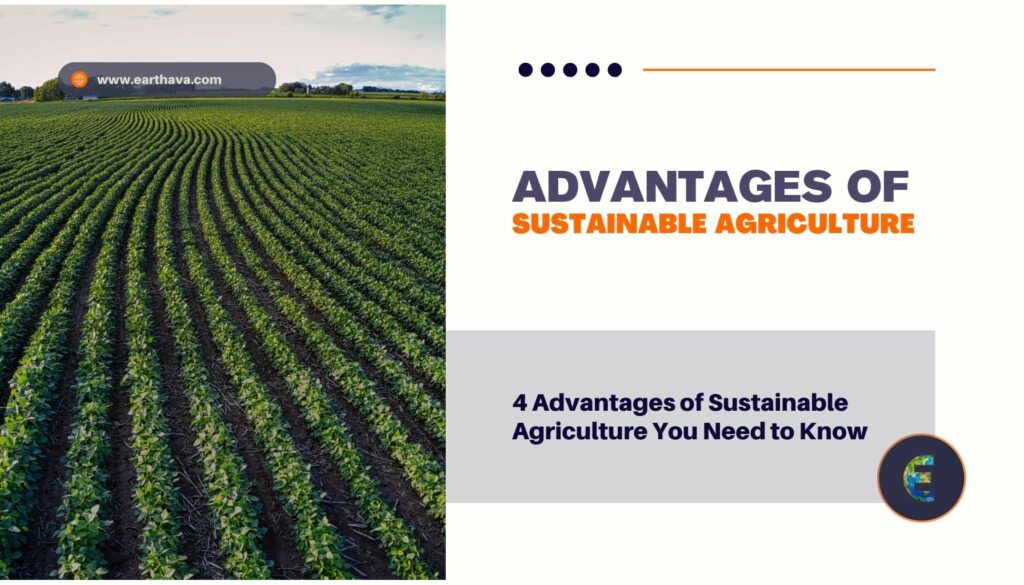
For agriculture to be called sustainable, it needs to yield results while maintaining ecological balance, solving problems such as soil infertility and pest issues by using a diverse range of environmentally conscious farming methods.
The final product of sustainable agriculture needs to be not only eco-friendly but also beneficial to farmers and their families, and healthy for end users.
In this article, we will try to list all the main benefits of this type of agriculture and compare it in some ways with the currently still dominant industrial approach.
Environmental Conservation And Preventing Pollution
Given the importance of ecological balance for the functioning of the world as we know it, sustainable agriculture aims to create products while at the same time making sure that we return some of the things we took from nature back to nature. This is, however, mostly done by trying not to take from nature at all, if possible, especially if the resources in question are non-renewable.
Sustainable farming also tries never to give to nature something it did not ask for. The waste is usually re-used in some way or contained inside the ecosystem of the farm, thus minimizing pollution of the environment.
Lowering The Price Of The Farming Process And Promoting Social Equality
While it rarely shies away from applying things and practices that require more time, dedication, and patience than mainstream, harmful alternatives, sustainable farming prioritizes local food systems, which can meaningfully reduce transportation costs and support regional economies.
An integral part of the sustainable agriculture philosophy is also being fair towards the farmers. One goal that, when achieved, can reduce reliance on government subsidies and support stronger rural communities. In practice, achieving this remains a work in progress.
Protecting Public Health
The farmers who are dedicated to sustainable agriculture know that when producing food, we need to take care not to endanger the health of the final users. This is why they stay away from using pesticides, which are known to have adverse effects on human health, and seek other ways to circumvent the problems that are usually solved by chemical interventions.
For example, changing the way of storing grains, like putting them in grain sheds instead of leaving them exposed to vermin and elements, can already solve a big part of the problem and does not even require too large an investment.
Promoting Biodiversity And Good Treatment Of Animals
The farms committed to sustainable farming more often than not contribute to biodiversity by producing many kinds of plants and animals, which are kept in humane conditions, in a way that enables them to lead their natural lives and does not confine them in dark, closed spaces.
Not confining animals in cages and closed spaces, farmers allow their animals to act completely naturally, as if in their natural habitat, and not in an imposed and artificial situation. Moreover, farmers pay attention to animals’ needs and health, thus enabling them to produce healthier products.
Keeping the Environment Safe
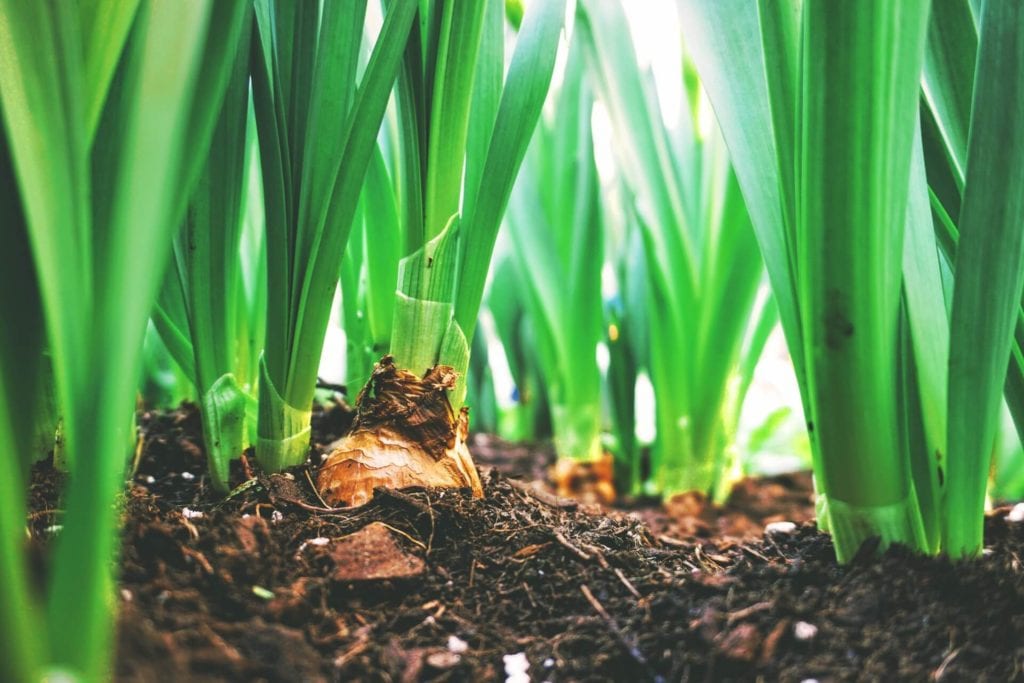
It’s known that we get most of our resources from nature and that our civilization has been exploring natural resources for millennia. Due to that, some time ago, it became rather obvious that it’s high time we did something for nature and tried to return the “favor”, even though it’s long overdue. This is of the utmost importance not only because the environment keeps playing a very important role in our lives, but also because it’s quite necessary to leave something unspoiled for the generations to come.
With sustainable agriculture, this can be much easier, as the very core of this method holds the idea of sustainability and giving back to nature. There are two ways to do so – by avoiding dangerous chemicals and by replenishing the land. The former option means not using toxins and a variety of chemicals that can do more harm than good to your fruits and vegetables, and, consequently, your organism – by not relying on pesticides and fertilizers, you keep your body safer. The latter option is all about putting some of the resources – water, soil, and healthy minerals – back into the land.
Keep the Air Cleaner
When organizing your farm, high on your list of priorities should be the preservation of air quality and trying not to contribute to the overall pollution. This, however, can be a challenge with a number of machines and waste.
Cost-Effectivenes

Using sustainable agricultural systems means that all aforementioned benefits help your budget bit by bit, whether it’s saving money on gas or not having to buy as much organic soil as you once did; the small savings pile up to a significant amount every year, and, because of that, sustainable agriculture is the solution for the future.
Future Prospects
Industrial agriculture is still the dominant way of producing food in the world, but it seems that people are finally becoming increasingly aware of the problems this approach creates both in the short and in the long run for public health and the environment. The market is getting more and more open to sustainable food, and once this food is brought in front of every consumer, its quality will speak for itself.
Conclusion
Being the final moment for taking care of nature and preserving air quality
In addition to that, not including any pesticides and toxic chemicals means that your products are healthier, and so are the people eating them. Also, you allow your animals to live in harmony, which is much more humane than confining them. Finally, all this together will reflect on your budget reports, too.

Co-author: Diana Smith
 Earthava is an environmental collective designed to turn awareness into impact. From deep dives into ecology to daily sustainable swaps, we provide the tools and intel you need to protect the ground you stand on.