


Compostable garbage bags offer an environmentally friendly way to handle waste. Made from materials that can break down naturally, these bags reduce the impact on landfills. Unlike regular plastic bags, compostable bags decompose more easily, making them a good choice for eco-conscious consumers.
Quick Recommendations
| # | Perview | Name | Rating | Where to get |
|---|---|---|---|---|
| 1 |  | Hippo Sak: Plant-Based Tall Kitchen Garbage Bags | 4.8 | Buy on Amazon |
| 2 | 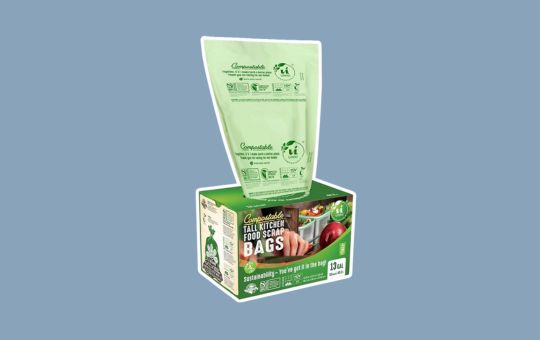 | UNNI: Sustainable Garbage Bags | 4.6 | Buy on Amazon |
| 3 |  | Repurpose: 3 Gallon Compostable Trash Bags | 4.4 | Buy on Amazon |
| 4 | 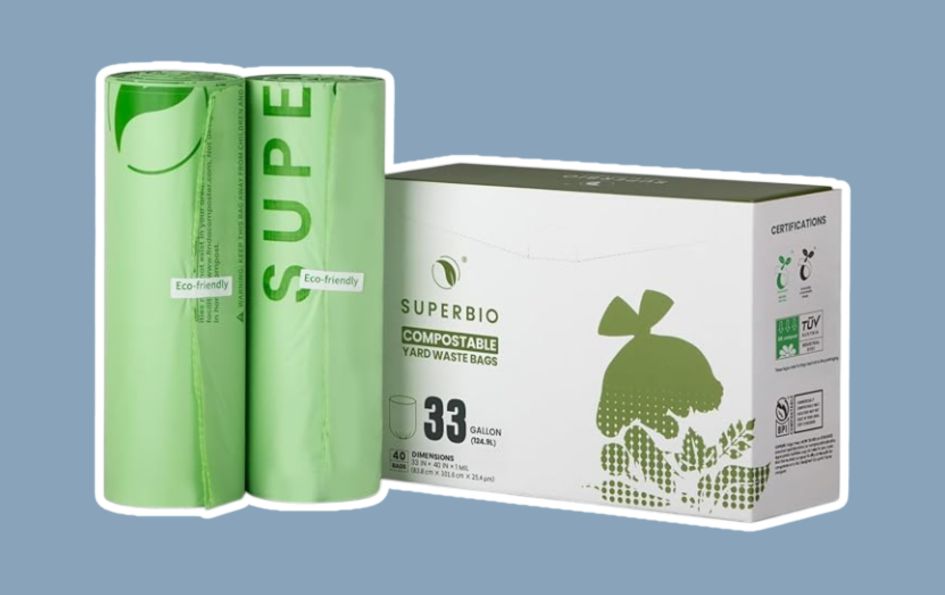 | SUPERBIO: 33 Gallon Yard Waste Bags | 4.6 | Buy on Amazon |
| 5 |  | Cleanomic: Compostable Garbage Bags | 4.5 | Buy on Amazon |
Several factors are important when choosing compostable garbage bags. The material is key; look for bags made from plant-based materials like cornstarch or potato starch. Check the size to make sure it fits your trash bin. Also, consider the bag’s strength to avoid leaks and tears.
Below is our full list of the best compostable garbage bags. We have carefully reviewed these products to help you make an informed choice.
1. AYOTEE Eco-Friendly Trash Bags
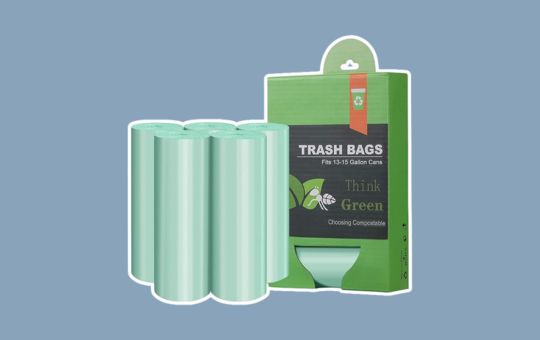
This is a set of tall kitchen compostable trash bags by AYOTEE, sized for 13-15 gallon (≈ 50-55 liter) bins. They are unscented, made from plant-based plastarch material (PSM), advertised to be “heavy duty,” “strong thicken,” and compostable under industrial composting conditions. The pack has 60 bags (4 rolls × 15 bags per roll), each bag ~1.18 mil in thickness.
They are best known for being an eco-friendly alternative to plastic trash bags: the claim is that they degrade in industrial composting (not backyard compost) and are made with renewable materials.
One standout feature & one drawback
- Standout feature: eco credentials combined with decent strength. Many users say these bags are “the best quality I found,” especially among compostable options. They seem to resist tearing reasonably well, especially compared to thinner compostable bags. For people who want greener alternatives but still need reliability, this combination is rare. For example, in a discussion on /r/ZeroWaste, one user said AYOTEE’s 13-15 gal compostable bags “hold up well” in regular kitchen use.
- One Drawback: degradation only in industrial composting, which is not minor. A lot of the eco-messaging around these bags could mislead someone into thinking they’ll compost them in a backyard compost pile. The product itself says: “not suitable for backyard composting, but degradable under industrial conditions (50-60°C constant humidity).”
What our research shows real users are saying
Pulling together what multiple verified buyers say:
- Many like the unscented aspect. No strong odor from the plastic, which matters especially in warm climates.
- The bag’s texture is somewhat different from poly-plastic bags: less stretch, more rigid; sometimes stiffer when empty. That means inserting waste carefully matters; you can’t bash stuff in too aggressively.
- Wet waste is the Achilles’ heel: grease and food liquids cause sagging; if the weight is not distributed, sometimes the bottom gives out.
- The composting claim is appreciated by users, but often with a caveat: they feel guilt or uncertainty because industrial composting isn’t always available locally. So the environmental benefit depends heavily on what your local waste system supports.
- Cost per bag is higher than traditional plastic alternatives, but many users feel the trade-off is acceptable for eco benefits if the bags last and don’t leak.
Pros
- Eco-friendly material (PSM), better than conventional plastic in many cases.
- Fits standard 13-15 gallon kitchen tall trash bins well; good sizing.
- Unscented, with less odor from the material itself.
- Decent strength for compostable bags; many users report acceptable durability with normal kitchen waste.
- A good bag count (60) gives value in terms of quantity, especially when spread over rolls.
Cons
- Must be composted under industrial conditions; not realistic for backyard composting.
- Prone to tearing / leaks with wet or sharp waste; lower performance under heavier/stressful use.
- Fit isn’t perfect for every bin design; some users report slip or strain at the lip or corners.
- More expensive per bag than ordinary trash bags; value depends on how often failures happen.
Earthava’s take
If you live in a place where industrial composting is available and you handle mostly light/medium trash, these AYOTEE bags look like a good pick. The environmental trade-off is sensible. For kitchen use, try not to push them beyond their limits: avoid overstuffing, distribute wet content more evenly, maybe line tricky bins (sharp edges) with something soft, or fold the top edge to reduce tear points.
2. UNNI Sustainable Garbage Bags
UNNI’s 13-gallon compostable trash bags are designed for standard tall kitchen bins, holding about 49 liters each. At 0.9 mil thick, they’re sturdier than many compostable options while still lightweight. What really makes them stand out is the certification lineup: BPI, CMA, and OK Compost HOME, which gives more credibility than most “eco” bags on the market. They come unscented in a roll of 50 and should be stored cool and dry to keep them from breaking down too soon.
One standout feature & one drawback
- Standout feature: The breadth of certifications. Many compostable bags claim things, but UNNI’s claims are backed by multiple, recognized certifications (BPI, CMA, OK Compost HOME), which cover both industrial and home composting claims. That gives stronger credibility than many alternatives. If you want “certified compostable” and not just “biodegradable in some vague sense,” these certificates are a real plus.
- Drawback: Performance under wet, heavy, or sharp loads is clearly weaker than that of conventional plastic. The material, despite being “extra thick” among compostables, still has limits. When trash is greasy, or there’s liquid pooling, or sharp bones/pits, leaks, or tears are reported.
What our research shows real users are saying
Putting together verified reviews, Q&A, Reddit threads, testimonials:
- Many users praise the fit in standard 13-gallon tall kitchen bins; they generally consider the size accurate, not overly floppy.
- For non-liquid, “normal kitchen scraps/food waste,” the bags hold up okay. A user on the UNNI site said the bag is “a good size for keeping a day’s worth of food scraps.”
- But there are consistent caveats: when the contents are wet, heavy, or have sharp points (fish bones, rind edges, etc.), the bag may tear, at the bottom or on the sides, or leak.
- On compostability / “home compost” claims: some users say that in their own backyard compost piles, the bags break down fully (from days to several months). For example, Reddit threads: “It breaks down in my pile just fine.”
- Also, some customers mention issues with separating the bags from the roll/perforation tearing improperly.
Pros
- Well-certified: BPI, CMA, OK Compost HOME, etc., adds credibility.
- Good size & count for 13-gal tall kitchen bins.
- Decent thickness among compostable bags; better strength than many similarly certified options.
- Unscented, good odor behavior from the bag material.
- Environmentally meaningful if composted under suitable conditions.
Cons
- Susceptible to leaks/tears with wet or sharp waste.
- Higher cost per bag vs non-compostable bags reduces value if there are many failures.
- Sometimes separating bags / tearing from the roll causes frustration.
Earthava’s take
If you were buying these bags, you would do so knowing that they won’t fully match the strength and durability of conventional plastic bags in every condition, but the environmental certifications are solid and genuine. For many households, these will work well and do reduce plastic waste with actual compostability, if you treat them a bit more gently, avoid overloading, line with paper if needed, etc.
3. Repurpose 3 Gallon Trash Bags
These bags are aimed at the everyday little stuff, countertop compost bins, bathroom wastebaskets, or that small office bin that always seems to fill up with tissues and snack wrappers. You get 100 in a box, which is a decent stash, and they’re BPI-certified compostable, FDA-safe, and non-toxic. The star-sealed bottom is meant to keep leaks to a minimum (nobody likes that mess), and the box itself is recyclable. The company does suggest not pushing your luck: keep them in a cool, dry place and swap them out every few days.
Standout feature & biggest drawback
- Standout feature: The most useful bit is the star-sealed bottom paired with leak resistance. That design is what gives them some reliability, even though the film is light. Combine that with the fact you’re getting a large 100-bag supply and real third-party certifications, and it feels like a solid everyday choice.
- Biggest drawback: Of course, being compostable means they’re not as tough as plastic. The trade-off is obvious: they do fine with peels, paper scraps, and the usual kitchen odds and ends, but if you leave them sitting too long or try to haul out something heavy and wet, the bag might not hold up. And composting results at home can be hit-or-miss depending on the system.
What our research shows real users are saying
- Many users comment that for typical light kitchen scraps, fruit/vegetable peelings, paper waste, and bathroom trash, these bags perform adequately. They hold up without immediate tearing when used as intended. Vitacost reviews, for example, say they “fit perfectly” in their compost bins.
- The star-sealed bottom is often cited as helpful in preventing drips/leaks, especially compared to many non-sealed small-bin compostable bags.
- Packaging is seen as user-friendly. Reviews mention ease of pulling a bag, perforation, and that the recyclable box/sleeve is appreciated.
- Durability when removing full bags (lifting, tying, moving) sometimes feels marginal: bottom seals or sides can tear if mishandled or overloaded.
Pros
- Recognized compostable certifications (BPI, FDA safe, etc.)
- Star-sealed bottom adds leak resistance
- Sized well for counters, bathrooms, and small bins
- A 100-bag count is economical for regular use
Cons
- Can rip with heavy, soggy, or sharp trash
- Home compost breakdown isn’t always consistent
- A thinner feel requires more careful handling
- Best performance only if emptied regularly
Earthava’s take
If you’re looking for something compostable for smaller bins, these do the job, with caveats. They’re reliable for light kitchen scraps, bathroom trash, or office waste, and they won’t clutter up landfills. Don’t expect them to behave like thick plastic (because they’re not), but used with care, they’re practical. The big plus is the eco-credibility: real certifications, recyclable packaging, and a design that helps limit mess. Just keep in mind they work best when you empty them often and avoid overstuffing.
4. SUPERBIO 33 Gallon Yard Waste Bags
The SUPERBIO 33-gallon yard waste bags are large compostable bags for outdoor cleanups, think leaves, lawn clippings, branches, and garden debris. The size is about 33 gallons (≈ 124.9 L) with dimensions of ~33 in × 40 in, thickness ~1.0 mil. They come flat-top in rolls (20 bags per roll, 2 rolls in the 40-count pack). The product carries several compostability certifications: BPI (commercial compostable), OK Compost INDUSTRIAL, plus they meet the ASTM D6400 standard and EN 13432. The material is plant-based (likely blends involving PLA/PBAT/starch) and unscented. SUPERBIO indicates the shelf life is around one year, and that using/storing the bags in cool, dry conditions preserves strength.
Standout feature & biggest drawback
- Standout: The certifications (BPI, OK Compost INDUSTRIAL, ASTM D6400, etc.) combined with a large capacity. These give strong environmental credibility, and many users believe these bags really are more responsible than unlabelled plastic leaf bags.
- Drawback: Durability under harsh or extreme conditions is the weak link. The bags are not invulnerable; they can tear or leak if overloaded, if wet or acidic contents sit too long, or if there are protruding sharp bits. Also, their compostability benefit depends heavily on proper end-of-life handling (industrial composting), which not everyone has access to.
What our research shows real users are saying
- For typical yard waste (leaves, grass clippings, not super heavy woody branches), the bags hold up fairly well. They’re strong enough for many uses outdoors. Some reviews note that they don’t tear immediately when you pile leaves in.
- Storage & usage warnings matter: if you leave them in heat, or use them for very wet/acidic/alkaline organic waste and leave them standing long, performance degrades, and odor/leaks may occur. Some users say acidic waste (fruit, etc.) causes weakening quickly.
- Many users like that the bags are certified compostable in industrial settings. The certifications are real, which gives credibility rather than just marketing fluff.
- Although the thickness is listed as ~1 mil, users report that when bags are overloaded or when there is sharp/dense debris (sticks with ends, twigs, rough stuff), the bag surfaces or seams can tear.
Pros
- Genuine certifications for compostability (industrial)
- Large capacity (33 gal) suits big yard jobs
- Decent strength for typical yard waste (leaves, grass, light debris)
- Unscented; material smell doesn’t interfere much
Cons
- Vulnerable when overloaded, with sharp or wet/acidic contents
- Not fully reliable in home compost piles (slow/incomplete breakdown)
- Higher cost per bag than simple plastic leaf bags
- Must store properly; shelf life & usage warnings matter
Earthava’s take
If you want yard bags that are more planet-friendly and you have the means to compost commercially, these SUPERBIO bags are a solid option. They do well for many users in normal yard waste use- leaves, grass, garden debris- but they aren’t magic: push them past what they’re built for, and performance will suffer. If I were you, I’d buy them with moderate expectations: use them for lighter yard waste, avoid putting super sharp or heavy wood into them, don’t leave them sitting in the sun or heat too long, and change bags before leaks or sagging become a problem. The environmental gain is real if properly disposed of, and many users seem satisfied enough.
5. Cleanomic Garbage Bags
The Cleanomic 13-gallon compostable trash bags are made for the standard tall kitchen bin but with a greener twist: they’re BPI-certified compostable, so they meet recognized standards for breaking down in the right composting conditions. Each pack includes 25 bags, designed with a sturdy drawstring that makes tying off and carrying scraps easier. Unlike some alternatives, they’re fragrance-free and powder-free, which helps avoid the artificial scents or residues that can make handling unpleasant.
Standout feature & one drawback
- Standout feature: The certification + performance trade-off tends to be the most praised thing. Based on reviews, users say that for a compostable bag, these are among the more reliable in resisting leaks/tearing (especially with moderately messy kitchen trash). For those seriously wanting a compost-friendly option, Cleanomic seems to balance ecological credentials with decent durability. That’s not easy.
- Drawbacks: Heavy or sharp/rigid trash often pushes these bags beyond comfort. Cornered packages, cans, rigid plastic, or heavy cat litter seem to stress the seams or lead to ripping. And when contents are especially wet, users report leaks (especially at bottom seams) and/or feeling the bag sag badly. Also, the cost per bag is noticeably higher than non-compostable plastic equivalents; some users feel the premium is only justified if the compostable material is actually being composted in a facility. If it ends up in a landfill, some feel claims lose impact.
What users liked vs what frustrated them
Here are more human/unfiltered impressions (from reviews):
- Many say the fragrance-free design is a relief. They dislike scented compostable bags (very common) and appreciate that these don’t carry an artificial smell.
- A number of people mention the “silky smooth” feel when pulling the bag out of the pack, the flexibility, and the ease of the drawstring tie. It feels nicer in handling than stiff bio-plastics.
- Some users comment: when the bag is full, if you don’t tie it well (or overfill), the weight can pull down on the seam, causing small tears. Especially at the bottom corner seams. For instance: “anything with a corner is likely to tear it.”
- Storage issues: buyers who bought many at once and kept them in hot garages or humid spaces found that older bags were weaker. So storage matters.
- Price/value: Many accept the cost as “worth it” for compostability, but some say for heavy waste (dog poo, cat litter, sharp packaging) they need to double-bag or use something stronger. That chips into the cost-benefit.
Pros
- Certified compostable (BPI) gives more credibility than many “eco” alternatives.
- Fragrance/powder-free; more pleasant to handle.
- Flexibility & “nice feel” compared to many stiff bio/plastic bags.
- Fit is good for standard 13-gallon kitchen bins; the drawstring works.
- Many users report “no leaks so far” under regular use; decent performance for everyday kitchen waste.
Cons
- Less durable under heavy/rigid content; risk of tearing at seams or corners.
- Vulnerable to leaks when wet waste accumulates — especially if overfilled or not changed often.
- Higher cost per bag compared to non-compostable plastic ones.
- Must be stored properly (cool, dry) and used within a timeframe (≈6 months) or performance suffers.
- Compostability benefits depend heavily on actual composting infrastructure; if not composted properly, the environmental benefit is reduced.
Earthava’s take
Cleanomic compostable trash bags hit a sweet spot: not perfect, but many users feel the trade-offs are acceptable for what they are, compostable alternatives. If your kitchen waste runs “normal” (not stubbornly sharp, extremely heavy, or overly wet) and composting is accessible to you, these bags are very likely to serve well.
6. Reli Compostable 33 Gallon Trash Bags
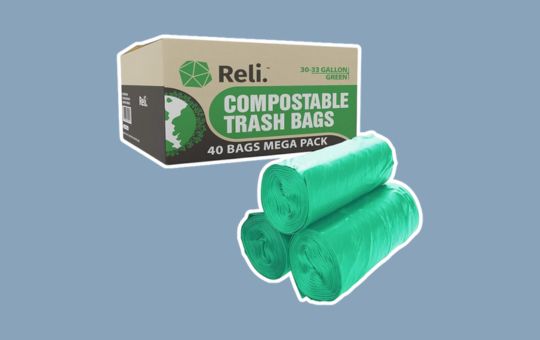
Reli’s 33-gallon compostable trash bags are big liners meant for large outdoor or “green bin” type use: yard waste, large compost or organics bins, etc. The pack has 40 bags (two coreless rolls of 20 each) sized about 33 × 39 inches (≈84 × 99 cm). They carry the ASTM D6400 certification, indicating compostability in municipal or industrial composting facilities. According to product info, they are “made with ~30% plant-based materials,” are tear-resistant (specified “28 micron” strength), and are intended to be stored in cool, dry places; high heat or sunlight can begin degrading them early.
What our research shows real users are saying
- Users appreciate the certification: ASTM D6400 gives legitimacy; people trust that these bags can compost properly in industrial settings rather than vague “biodegradable” claims.
- The size and count are valued: having 40 large bags gives fewer runs to restock, more capacity; users doing big cleanups generally like that they can use fewer bags
- Several users report that the bags are not nearly as strong as heavy plastic or contractor-grade bags. “Small branches” or sharp twigs often puncture or tear the side seams or “bottom star seal”, sometimes fail under weight or uneven load.
- For many, the bags perform decently under “normal” yard or green bin use: leaves, grass clippings, somewhat damp organic waste. They often survive being moved to a larger bin or transported to pickup without immediate failures.
- Some negative feedback about texture / unfolding: users say newly opened bags feel “chalky” (a texture from the plant material blend), and are difficult to open or unfold. Also, bags sometimes misalign when tearing off the roll, which can lead to early damage.
Standout feature & biggest drawback
- Standout feature: The certification + size combo is the most compelling. ASTM D6400 authentication, along with a large 33-gal capacity, gives these bags a more credible eco-edge than many large yard bags that lack strong certification. If you want something that looks eco-friendly and can actually meet that standard under proper conditions, this is one of the stronger offerings.
- Biggest drawback: Durability under load is the Achilles’ heel. If the bag is overloaded, has sharp items, or holds heavy, wet material, failures happen. The “tear-resistant” claim is valid only up to a point. For some users, the bottom seal fails earlier than expected. Also, since the strength is limited by the material, price savings diminish if you must double-bag or replace often.
Pros
- Strong eco-credentials via ASTM D6400 certification
- Large 33-gal capacity suitable for yard/green waste
- A good count (40 bags) gives value in bulk usage
- A credible plant-based component (≈30%) helps lower plastic dependency
Cons
- Vulnerable to tearing/leaks, especially with sharp or heavy wet contents
- Performance depends heavily on how the bag is used and disposed of (industrial composting needed)
- Some users find texture, unfolding, and bottom seams problematic
- Cost advantage decreases if you need to double up or replace damaged bags often
Earthava’s take
Reli 33-gal compostable bags are a decent choice, again not perfect, but worthwhile under the right conditions. They’ll work well for regular yard waste, soft organic matter, and occasional heavy bags, but for heavy loads or sharp contents, expect possible failure. If your priority is environmental benefit and you can provide proper composting disposal, this is a good compromise. But if your environment demands robustness more than compostability, you might prefer going with something sturdier (maybe even a thicker compostable bag or a hybrid), even at a higher cost.
7. GreFusion Compostable Garbage Bags
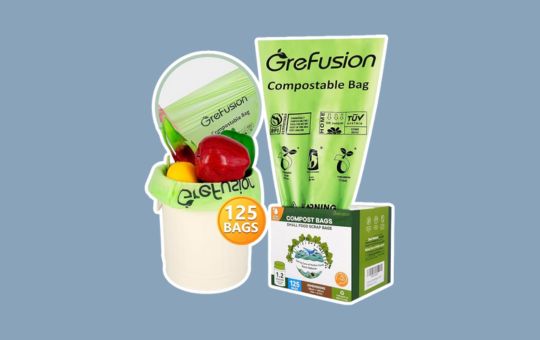
GreFusion’s 1.2-gallon compostable bags are small liners intended for countertop compost bins, kitchen scraps, bathroom bins, or small trash receptacles. They’re sold in packs of 125 (or 150) bags on a roll, made of a blend of PBAT+PLA+corn starch. Their size is about 15 × 15.7 inches, thickness ~ 0.72 mil. They carry certifications: BPI, OK Compost, ASTM-D6400 (and sometimes EU compost standards). They advertise themselves as leakproof, odor-controlling, and compostable, with flat-top roll packaging.
What users and specs show
- Many users say these bags are strong enough for regular food scraps and countertop compost bins. A lot of reviews mention using them for items like coffee grounds, fruit/veg peelings without immediate tearing.
- The odor control seems better than many unlabeled compost liners, especially when the bin is emptied often. A user noted they “absorb any smell and are sturdy and don’t break even when we fill them pretty full.”
- Wet / liquid-heavy waste tends to be the weak spot. Several users report that the bags begin leaking or deteriorating if they hold moist scraps for more than a day or if there is pooling of liquid. One user says to “change them daily due to how quickly foods and liquids make their way through the bag!”
Standout feature & Biggest drawback
- Standout feature: The certifications, coupled with the relatively high count and leak prevention design. Many compostable bags promise compostability; GreFusion really delivers credible credentials (BPI, ASTM) and decent odor control, which is often overlooked. For small bins in kitchens where smell is a concern, that combination is rare and valuable.
- Biggest drawback: Trade-off between compostability/speed of breakdown and durability. Because the material starts decomposing relatively quickly (especially in warm, moist conditions), the bag will degrade while still in use if you aren’t careful. Also, the small size and thinness mean heavy, wet waste or sharp edges will stress the material. If that happens, leaks or tears are likely.
Pros
- Certified compostable (BPI, ASTM, etc.) real credentials
- Leakproof design elements and odor control are praised by many users
- A large count (125-150) gives a value for frequent small bin use
- Unscented; small, nice dimensions for countertop or kitchen compost bins
Cons
- Less durable when holding wet or acidic foods for longer periods
- Fragility around the roll edges / when opening, can lead to accidental tears or sealed bottoms
- Need frequent emptying; not suited for big chunks / sharp debris
- Because of the material, the bag may start degrading even while still in the bin, depending on the heat/humidity
Earthava Editor’s take
GreFusion’s 1.2-gal compostable bags are a good option in the small bin/countertop compost niche. Good credentials, acceptable strength, odor control, and a large pack, so the cost per bag is reasonable. Use them for food scraps, coffee grounds, and daily kitchen waste, but treat them with care: don’t overload, avoid letting liquids sit for a long time, and empty them frequently. If those habits match yours, you’ll get a lot of benefit. If not, you may experience leaks or a faster breakdown than expected.
8. Green Earth Compostable Garbage Bags

Green Earth says these are tall kitchen compost bags meant for food scraps / regular kitchen waste. Capacity ~ 13 gallons (≈49 L), size about 23.75 × 29.375 inches, thickness ~ 0.9 mil. They are certified under ASTM D6400, carry the BPI certification in the US, and the OK Compost Home certification in the EU, meaning they are advertised to break down in both industrial and home composting settings. They come in a pack of 50 bags. The manufacturer recommends storing it in a cool, dry place and using it within one year to preserve performance.
Standout feature & biggest drawback
- Standout feature: Its combination of credible certifications and relatively high strength among compostable bags (0.9 mil) for a 13-gal size. Many compostable bags are weaker or lack home-compostable certification; this one hits both reasonably well, giving a stronger and more trustworthy eco option for regular kitchen waste.
- Biggest drawback: Durability under stressful conditions (wet, heavy, sharp) still lags. Even with the specs, user experiences show failures in those worst-case scenarios. Also, the “home compostable” promise is good, but only fully delivered under ideal home compost conditions (warm, turned, moist), which many users don’t have.
What users & the specs show: what works & what doesn’t
- Users find that for typical kitchen scraps, fruit & veg peels, paper, and light food waste, these bags hold up acceptably. They often survive daily kitchen waste without immediate leaks.
- The certifications are real, which many people appreciate: the BPI / ASTM D6400 and OK Compost Home give confidence that this is more than “just marketing.” Folks looking for compostable bags see this as trustworthy.
- Wet/heavy/sharp contents are the challenge. Some reviews say that when there is a lot of moisture, greasy food, or sharper kitchen scraps (bones, shells, etc.), the bottom or seams may begin to weaken or leak earlier than expected. (Many compostable bags suffer here; sentiment analysis shows a portion of negative feedback tied to leaks/tearing)
- Stretch/flexibility is lower than that of plastic bags. A few users note “may lack adequate stretch” (i.e., less forgiving under load), so if you overfill or press things in, the bag can fail or deform.
Pros
- Strong certifications (ASTM D6400, BPI, OK Compost Home), which boost trust
- Fairly high thickness (0.9 mil) for compostable bags in the 13-gal size
- Good fit and capacity for standard tall kitchen cans
- Better performance vs thinner or non-certified compostable bags in user reports
Cons
- Vulnerable to tears or leaks under wet/heavy/sharp contents
- Home composting results vary significantly depending on conditions; they may degrade slowly in some setups
- Lower stretch/flexibility; more careful handling needed
- Price per bag is higher, especially if many bags are replaced due to failures
Earthava’s take
Green Earth’s 0.9-mil compostable 13-gal bags as a strong option for many kitchens. They are not flimsy, not plastic-strong, but good enough for everyday food waste with care. The environmental credential adds real value if composting is available locally; otherwise, the benefits drop.
9. Hippo Sak: Plant-Based Tall Kitchen Garbage Bags
Hippo Sak’s 13-gallon plant-based tall kitchen bags are designed to be a more sustainable version of the standard kitchen garbage bag. They use materials derived from sugarcane instead of purely petroleum-based plastic, are USDA Certified Biobased, claim to be 100% recyclable, and feature ergonomic handles (the kind that grip and help tie off easily). They advertise extra strength: “10× stronger than leading brands,” leak and puncture resistance, reinforced bottoms (PowerStrip® technology), and a thicker design to resist tears and leaks. The pack holds 45 bags.
We asked Jasmin Norris about the switch to Hippo Sak, she kindly share her experience with us, and said “While I don’t use garbage bags that are marketed as compostable, I do use Hippo Sak trash bags, which are made from sugar cane. I love these bags! They line the trash can well, do not leak, and do not rip or tear easily. Landfills do not have the proper conditions for compostable trash bags to break down so using trash bags made out of sugar cane is a good inbetween because they are recyclable and have a lower carbon footprint.”
What users & the specs show: strengths & weaknesses
- Many users find the handles helpful. People report that tying, lifting, and carrying the bag feels easier and more secure, especially compared to cheaper bags without handles.
- The price is higher than that of basic plastic bags, according to several users. Some feel the extra cost is justified by eco-credentials and handles; others less so.
- Users say the bag is relatively thick/substantial compared to typical plant-based or eco bags, so for daily kitchen waste (not super heavy or wet chunks), performance is generally solid.
- The environmental credentials get positive mention: being plant-based, sugarcane-derived, USDA Biobased, and made in the USA. For many buyers, that matters, and the product delivers in that respect.
- Availability: Some people say these are harder to find in local stores; often, you must order online, which adds time/cost.
Standout feature & biggest drawback
- Standout feature: The combination of handles, reinforced bottom, and plant-based material. The handles are ergonomic, making tying/lifting easier; the reinforced bottom helps with durability; and sugarcane-based material reduces the carbon footprint. This is rare for someone wanting usable strength plus more eco-awareness.
- Biggest drawback: Durability under tougher conditions is the weak link. If you overload, put in wet, heavy, or sharp items, stretch marks or leaks may appear. Also, the product’s strength and environmental benefit depend heavily on how you use it (load, moisture, bin shape) and whether recycling facilities accept the specific material.
Pros
- Ergonomic handles that make tying & lifting easier
- Reinforced bottom for better leak/puncture resistance
- Plant-based (sugarcane) materials and USDA Biobased certification; decent eco credentials
- Thicker / more substantial feel than many eco-bags; better for moderate loads
Cons
- More expensive than plain plastic or generic bags
- Performance degrades under heavy, wet, sharp content; not perfect for “worst-case” trash
- Not compostable in many models; possible confusion among users expecting compostability
- Availability may be limited locally; an online purchase may be needed
Earthava’s take
This is a strong choice: better than basic plastic in terms of eco-impact and better than many eco alternatives in terms of usability (handles, bottom strength). Buy these if you want something reliable for everyday kitchen waste, with less worry about leaks or tearing, and you care about using more sustainable materials.
10. BioBag 2.6 Gallon Compostable Bags

BioBag’s 2.6-gallon Original Compostable Bag is designed for small kitchen scrap bins and countertop compost pails, making it one of the go-to options for households that compost daily scraps. What sets it apart is the combination of strong third-party credentials, its BPI certification under ASTM D6400 standards, and being made from non-GMO resins, with a design meant to “breathe,” allowing moisture to evaporate so odors and mold don’t build up as quickly when paired with a ventilated bin. Each pack comes with 100 bags, which is generous compared to many competitors, and the company advises using them within about a year of purchase while storing them in a cool, dry place to prevent premature breakdown.
Standout feature & one drawback
- Standout feature: The breadth of certification + countertop-friendly size + high count. In our research, BioBag is one of the few brands that has strong third-party certification (ASTM D6400 / BPI), non-GMO sourcing, etc., combined with a generous pack (100 bags) sized for small indoor kitchen compost bins. If composting is part of your routine, this gives confidence.
- Major drawback: Durability under real-world messy or heavy loads seems inconsistent. According to users, sharp or rigid bits (eg, bones, shells, stiff packaging), or even frequent carrying with the bag partially full, lead to tears or holes. Some also say leak risk rises with wetter waste. Also, the thinness that helps breathe and reduce odor can work against strength when stretched or strained. If you tend to fill your compost bag heavily or transport it often, you might find these bags less forgiving.
What users liked vs what frustrated them
Here are more human/unfiltered impressions (from reviews):
- Many users like that BioBag fits well in their countertop bins; they like that it helps keep things tidy, reduces mess from scraps. Ease of lining the small bin is praised.
- Users often compliment the lack of a strong plastic smell and say that odors are manageable, provided the bag is changed regularly.
- However, recurring complaints include the bags being “too thin,” “ripping when pulling out,” and “a hole near the bottom,” even with light loads. Some say they have to double-bag particularly soggy waste. Others mention that even before filling halfway, delicate parts (corn husks, eggshells) poke through.
- In some cases, users report that after storage, older bags feel more fragile. Warm warehouses/hot shipping seemed to degrade the bags before they arrived.
- A few mention price: while 100-count is a lot, the cost per bag is still higher than thin plastic; for some, the environmental benefit offsets cost, for others, it feels like paying extra without full durability.
Pros
- Strong certifications (ASTM D6400, BPI, etc.), which many users find credible and differentiating.
- Suited to countertop/small bin size: less waste in lining liners, better fit, less overhang.
- Good odor control (if used with ventilated bins or frequently emptied).
- High count per package (100 bags), less packaging waste, better supply if composting often.
- Manufactured in the USA (resin sourced abroad) adds to the appeal for some in terms of quality/trust.
Cons
- Thin against sharp or heavy content; higher risk of tears/holes.
- Wet waste can cause leaks or dampening; the bag may sag or stretch.
- Needs frequent changing to avoid odor/moisture issues.
- The price per bag is higher than that of generic or non-certified bags.
- Storage matters: heat/humidity degrades performance; older bags are reportedly weaker.
Earthava’s take
BioBag’s 2.6-gallon original compostable bag is a solid pick if you fit a certain profile: you compost frequently, generate moderate kitchen-scrap waste (not too heavy or sharp), have a bin you change often, and ideally have composting infrastructure that honors certified compostable materials.
Buying Guide
When choosing compostable garbage bags, it’s important to consider several factors to guarantee they meet our needs.
Material
Look for bags made of plant-based materials like cornstarch or potato starch. These materials break down more easily than plastic.
Certifications
We should check for certifications such as the ASTM D6400 or EN 13432. These indicate the bags meet strict compostability standards.
| Certification | Description |
|---|---|
| ASTM D6400 | US standard for compostability |
| EN 13432 | European standard for compostability |
Size
Compostable bags come in various sizes. We need to pick a size that fits our garbage bin. Common sizes include:
- Small (2-3 gallons)
- Medium (8-13 gallons)
- Large (30+ gallons)
Strength
We should choose bags that can hold up to regular household waste without tearing. Some bags offer extra reinforcement or double layers for added strength.
Thickness
The thickness of the bag is often measured in microns. Bags between 15 and 20 microns are typically better at holding wet or heavy waste.
Cost
Compostable bags can be more expensive than regular plastic bags. It’s a good idea to compare prices and consider buying in bulk to save money.
Decomposition Time
We should look for bags that decompose quickly, typically within 3-6 months in a composting environment. This assures they don’t linger in landfills.
By considering these factors, we can make an informed decision when purchasing compostable garbage bags.
What real users are saying
We interviewed several other users who use/used compostable garbage bags, and they kindly shared their experiences exclusively with us; read as an indicator of what to expect from these bags.
Caleb Riutta, Project Consultant at Country Restoration, said “I’ve used compostable garbage bags at home and found that they work well for lighter everyday waste, but they can be less reliable with heavier or wet loads. I like choosing a bag suited to the type of waste I’m throwing away rather than expecting it to perform exactly like a conventional plastic bag.”
Adrian Le’Roy Devezin, Executive Director, said “Going green was a big goal of mine during Covid. I began composting and reduced my meat consumption significantly. Using compostable trash bags was a good next step. However, the experience was so horrible I stuck with the plastic. My first time using them, I later found out they were only compostable using industrial composters. That is an unfortunate marketing gimmick because how is anyone supposed to get one of those. The home compostable brands had bags so incredibly thin you couldn’t possibly put anything more than paper inside of them.”