

More and more people are turning to solar energy. It should come as no surprise that, with current technologies, it is relatively easy to get access to the unlimited supply of sunlight that showers your rooftop with warm rays. If you are an eco-friendly person who is concerned about preserving the environment, chances are you have probably considered solar panels.
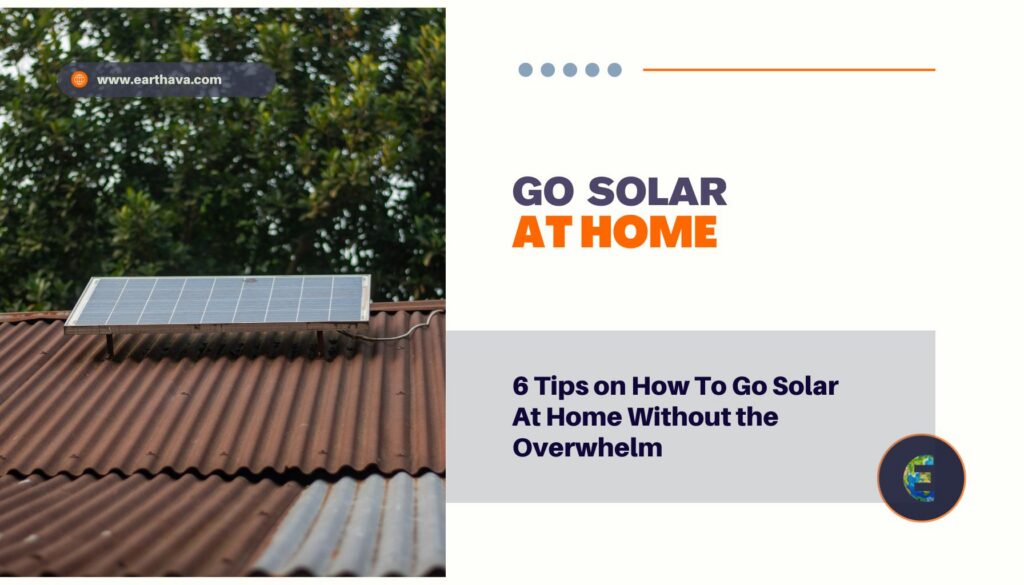
Solar energy is the best solution
If you want to go green. It requires nothing but sunlight to provide your house with a renewable source that has no negative effect on the environment. With all the advantages it brings, one might forget that there are also several things to consider before going solar.
Installing PV panels is a huge investment. It will not come cheap, which is the reason why so many people are reluctant to go solar. It is no secret that panels are usually very expensive, especially if you want them to produce enough energy for the home to be self-sufficient.
In 2026, the average US residential solar system costs between $18,000 and $30,000 before any state or local incentives, working out to roughly $2.50–$3.50 per watt installed.
One significant change for 2026: the federal residential solar Investment Tax Credit (ITC), which previously covered 30% of installation costs, expired on January 1, 2026. State and local incentives still vary by location, so it’s worth checking what’s available in your area before signing any contracts.
You will need powerful enough panels and a good number of them, too, if you want them to satisfy your energy needs. Consider the upfront costs and whether you meet this requirement. There are ways you can cut the initial hit on your budget by buying one panel at a time, but this will mean less energy efficiency and relying on other sources.
Make sure your home is the right candidate for this type of energy
Panels need maximum exposure to sunlight, so do consider whether your location offers this resource. Seasonality is also a factor – cloudy days will lead to less energy production. These factors need to be considered before solar energy can power your home.
Solar panels need to be installed with special care
Consider the direction your rooftop is facing, as this is very important. Any obstructions to sunlight, such as trees and tall buildings, for example, can hinder energy production. Where to place the panels is oftentimes a matter for the experts and requires professional advice.
The solar panel provider should be a solid one
After all, you are making one of the biggest investments for a good cause, with expectations to pay off for the next few decades. You want the product to be efficient and run smoothly. For this reason, pay attention to the warranty you are offered, and consider insurance.
Just like with any system, make sure there are no problems anywhere. After installing the solar panel, energy should be acquired and transferred without any loss. Monitor the performance of the system and make sure it is optimal. After all, solar energy is all about efficiency. You want your investment to pay off as soon as possible.
Payback period
Worth knowing that the average US electricity rates, a typical 8 kW system pays back in roughly 12.5 years and generates $11,000–$42,000 in net savings over 25 years, even without the federal tax credit. In states with high electricity rates or strong net metering, payback can be under 8 years.
Conclusion
By choosing and selecting a proper provider to ensure the system is problem-free, you can ensure a green energy solution. Solar panel costs have dropped roughly 22% since 2016 as the industry matured and scaled up, making now one of the more practical moments to explore it.
Do your research today to see if your home is the right candidate and how you can benefit from the unending energy of the sun.