


Look for green certifications that homes have, ask the owner for utility bills, check the home’s orientation and site conditions, work with an agent who is sepcialized in eco-friendly homes, and come prepared with the right questions once you’re inside. Do this, and you’ll easily spot a genuinely efficient home instead of just one that says the right words in the listing.
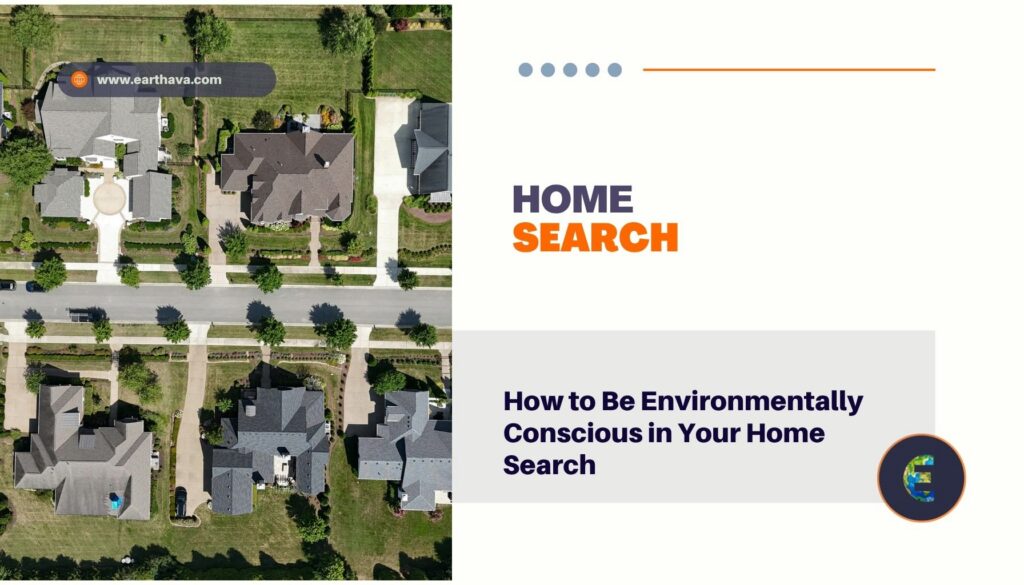
With global warming on everyone’s mind, when shopping for your dream home, look for more environmentally-friendly houses. We all contribute to the environmental impact, and if you can lessen your carbon footprint with your new abode, you are doing your part to reduce yours.
Buying a new home is such an exciting endeavor, but also fraught with some stress and decisions. Often, you start with a big list of wants, but then have to compromise. When searching for your next home, be aware that there are dozens of opportunities within the house for an environmentally friendly option. It’s all about prioritization.
Figuring out if a home is eco-friendly may seem confusing or complicated, but it’s not. These tips on finding an eco-friendly house in your area should help you in your home search.
Look for Green Certifications on the Listing
Before you even schedule a tour, you can narrow your search by looking for homes with recognized green certifications. LEED for Homes and ENERGY STAR Certified Homes are two of the most common labels, and both mean the property has already been vetted for energy efficiency by a third party, not just described that way by a listing agent.
You can also ask for a home’s HERS Index score, which rates how energy-efficient a house is compared to a standard new build. The lower the number, the better the home performs. Not every listing will have one, but you might acquire your agent to check, especially for newer construction.
Ask for Utility Bills and Energy History
Square footage and window count only tell you so much about how a home actually performs. A far better indicator is the home’s real energy usage, and you can get that by asking the seller for the last 12 months of utility bills. This gives you a sense of what heating and cooling actually cost through every season, not just a guess based on the home’s size.
If a seller can’t or won’t provide this, take it as a sign to ask more questions about the home’s insulation, windows, and HVAC system before you move forward.
Make Sure The House Has an Eco-Friendly Fireplace
A fireplace is the heart of the home, adding warmth and comfort to your living space. However, traditional fireplaces are not very eco-friendly and are quickly being replaced by greener alternatives. Wood-burning fireplaces can put toxic chemicals in the air while also devastating our forests.
When touring a new home, ask questions about the fireplace. Some modern options that are much better for our environment are ethanol, electric, eco-friendly wood burning, pellet, and gas fireplaces. Each has its advantages depending on the fuel sources you select. Before you select the perfect home, consider the fireplace type.
No fireplace will be utterly devoid of impacting the environment, but you can select one that limits dangerous exposure to chemicals and depletes our natural resources. Electric fireplaces are considered the most eco-friendly and have the least impact on the environment. They have dozens of models and designs to fit any style.
Check the Home’s Orientation and Site Conditions
Where a home sits on its lot matters more than most buyers realize. A south-facing roof gets the most consistent sunlight, which makes a future solar panel installation far more effective. Mature trees on the property can provide natural shade in the summer, cutting down on cooling costs without you having to do anything.
It’s also worth considering the home’s location relative to public transit, walkable amenities, and your workplace. A shorter commute or the option to skip driving altogether is one of the most overlooked ways a home search can reduce your overall environmental footprint.
Work With a Real Estate Agent Who Specializes in Green Homes
Not every agent knows how to filter listings for energy efficiency or green certifications, so it’s worth asking upfront whether yours does. Some agents hold a Green Designation through the National Association of Realtors, meaning they’ve had additional training specifically in sustainable and energy-efficient home features.
An agent with this background can help you spot green features in a listing that might otherwise go unmentioned, and can flag red flags, like outdated insulation or an aging HVAC system, before you fall in love with a house that needs expensive work.
What to Ask During the Tour
Once you’re touring homes in person, come prepared with a few key questions. Ask about the age and type of insulation, whether the windows are single or double-pane, how old the HVAC system is, and what kind of water heater the home has. A tankless water heater, for example, uses less energy than a traditional tank model.
After Purchase, Make Your Home Greener
If the house you purchase does not include all the eco-friendly features you want, you can implement them after you own it. Depending on complexity and cost, you can do a few things now and some of the more extensive ones over time. The first thing you might want to do is hire an agency to do an energy audit and identify the areas that need work.
One quick and easy eco-friendly idea is installing a programmable thermostat like a Nest. You can set the temperature on timers, so the heat only comes on when you want it to and at other times stays off, conserving energy. Replacing your light bulbs with compact fluorescent light (CFL) bulbs also saves money and energy.
If you really want to make an impact, install solar panels on your roof to power your whole house; this is a great, eco-friendly idea. Putting in underfloor heating also helps save on using the furnace, and swapping out the shower head for a more eco-friendly model saves water. Updating your insulation with recycled materials helps to keep your home warm in the winter and cooler in the summer.
The Eco-Friendly Final Touches
When time and money are affordable, you can install wooden, double-pane windows to protect your investment and keep the elements outside where they belong. When painting the exterior or interior of your new home, use water-based, low-VOC paints with natural pigment.
Every little bit helps, including buying supplies and food locally rather than having things shipped. You can even seek out natural, recycled furniture and fixtures for your home and decorate it knowing you are also supporting our planet and future generations. Load up your home with smart technology that helps turn off the lights, turn the heat down, and regulate energy efficiency in appliances and other mechanical devices in your house.
No matter where you live, there will always be environmentally friendly options for your new home. Even if you have to find special contractors who only deal in natural, recycled products and supplies, you can have the eco-friendly home you have always wanted.