

Marketers and big business corporations have us believe that bottled water is good, being collected from a deep, clear pool of spring water from the highest of mountains. But is it? Aren’t we talking mostly about just plain water put into bottles?
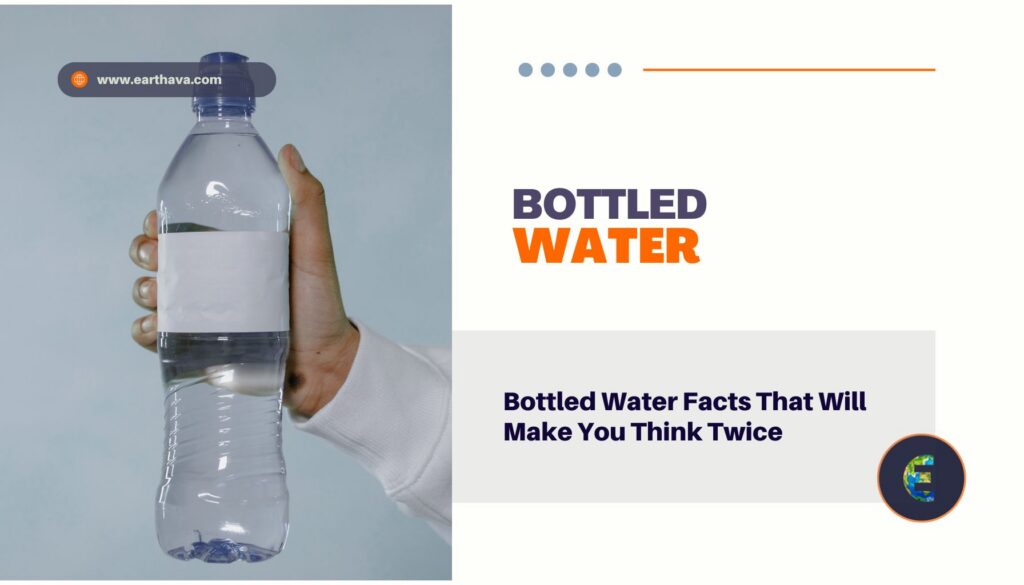
Unless you have a really good reason to stop and buy bottled water, it is better to hang on and wait until you get home to sip tap water. And here is why.
Bottled Value
It is important to understand that you will be spending more on bottled water than you would be spending on regular tap water, and that it is not worth the money. You are paying for overpriced tap water. In recent history, bottled water consumption has grown steadily; in the US alone, it reached 16.4 billion gallons in 2024, up 2.9% from the year before, even as most other beverage categories stagnated.
Nevertheless, the bottled water industry is generating a large profit by charging buyers excessive amounts of money and hurting the environment. This aside, you are not even taking any extra minerals or vitamins into your body.
Our research shows just how large the global bottled water market was valued at $323 billion in 2025 and is projected to reach $340 billion in 2026, growing steadily despite mounting environmental concerns.
Plastic Bottles
Despite widespread recycling programs, the reality is that only about 5% of plastic waste is actually recycled in the US, and 83% of plastic packaging that could be recycled curbside never even makes it into the bin, according to The Recycling Partnership’s 2024 State of Recycling report.
And because it is a chemically produced substance, it will take a long time for the plastic to biodegrade. Furthermore, it not only takes a long time for biodegradation, but plastic also pollutes the world, and it endangers many natural habitats of animals.
Toxic Plastic
Even though there are many regulations on how to make plastic bottles, there are chemicals that can seep into the water, and they can affect your body. Studies now link microplastics and chemicals like BPA and phthalates found in plastic bottles to hormone disruption, inflammation, and other health concerns. While long-term effects are still being studied, the precautionary case for avoiding plastic-bottled water has only grown stronger.
It is better to avoid exposing yourself to danger. Also, it is better to minimize the intake of bottled water as much as possible.
Tap Water
It is far better to drink tap water, and it is also a lot cheaper to distill water from the impurities that your public plumbing might have. You can always boil water to get rid of almost all microbes that could be polluting your water. You can also get rid of the chlorine taste that might be bothering you, just chill the water down in the fridge, and you can have a nice cold drink.
Filtered Water
There are many filtration possibilities you can employ at home to clean your water and have cleaner water. Having a water filter installed will provide you with healthy water and save you a considerable amount of money in the long run.
It is better to drink filtered water than to spend money on bottled water, and it will be far better to bring your water from home to work. Also, it is a good idea to buy bottles made from either metal or glass in which to carry your water when on the go.
Microplastics: A Growing Concern
One development that has changed the bottled water conversation considerably is microplastics. Studies now consistently find microplastic particles inside commercially bottled water, in some cases at concentrations higher than those in tap water. A 2024 study found that, on average, 240,000 plastic particles per litre in popular bottled water brands, many at the nanoplastic scale, meaning they can cross cell membranes. Filtering your own tap water at home remains one of the most straightforward ways to reduce your exposure.
Going Green
Being sustainable means that you should drink tap water more, and you should avoid using items made from dangerous chemicals, which take a long time to biodegrade. Bottled water, despite its clean-spring marketing, is often just treated municipal water sold back to you at a markup, as it might contain traces of dangerous substances that will only hurt your health.
By drinking regular tap water, you will make sure that you are drinking enough water daily without any substances that will make your digestive system and immune system suffer in the long run. Ditching plastic means that you are doing your share in reducing global pollution and making sure that your environment is cleaner and more sustainable.

 Earthava is an environmental collective designed to turn awareness into impact. From deep dives into ecology to daily sustainable swaps, we provide the tools and intel you need to protect the ground you stand on.
So what other caffeine-free, sugar-free, chemical sweeter free soft drink would you recommend as a replacement?
There’s no replacement for water. In warmer months, I tend to replace it with prosecco or dry white wine, and when it gets cold, good, dry red wine is the soft drink I prefer ;)