


Want a toothbrush that actually breaks down instead of sitting in a landfill for four centuries? Any bamboo-handled brush on this list clears that bar; the wood handle composts.
Want one where the bristles are just as compostable as the handle? That’s a much shorter list. Only the boar-bristle pick pulls that off; everything else on here still uses nylon.
That’s the split this whole list runs on, handle-only green versus actually-all-the-way green, and almost no brand says that part out loud.

Top Recommendations
| Perview | Product | Bristles | Best for | Watch out for |
|---|---|---|---|---|
 | PRIMALS Boar Bristle (4-pack) | Boar hair | Fully plastic-free, zero-nylon | Hygiene and durability trade-offs with animal hair |
 | Nuduko (10-pack) | Nylon | Bulk buyers, families | Bristle shedding over time |
 | Isshah Charcoal (12-pack) | Charcoal nylon | Anyone who likes the charcoal look | Charcoal “whitening” is mostly cosmetic |
 | Sea Turtle (4-pack) | Plant-based nylon | Sensitive gums | Bristles soften and flatten fast |
 | Virgin Forest (10-pack) | Nylon | Multi-person households (color coded) | Thinner handle, smaller head |
💬 What real users are saying
We reached out to Melissa Bracken, Founder @ Plastic-Free Provisions, and asked her whether or not she uses wooden toothbrushes. She said, “I have used wooden toothbrushes for several years now (and had my family use them). Here’s my list:
Pros
- My number one pro is the lack of guilt that comes from using one – I went years feeling bad about tossing a thick piece of plastic away every three months that wouldn’t decompose for hundreds of years. Never mind that the plastic is made from oil and has a high carbon footprint from manufacturing it. Most wooden toothbrush handles are made from bamboo, which uses very little water to grow and is a renewable, lower-impact raw material that is easily compostable.
- A lot of the brands have a really nice feel to them – they are lightweight and have a smooth wooden handle, and usually come with medium-strength bristles that work well in cleaning your teeth.
- Aesthetics: if you want your bathroom to have a natural, green feel to it, this is it.
Cons
- You need to make sure your toothbrush is always stored vertically. If it’s left on the counter horizontally flat with bristles facing up after using it, the wood around the bristles can mold prematurely.
- Most wooden toothbrushes aren’t completely compostable, as most bristles are made of plastic or bio-based plastic. Sometimes the bio-plastics are degradable under commercial composting conditions, but often even that doesn’t work. So you need to remove the bristles before composting, or cut that part of the toothbrush off.
- Make sure to get a brand that doesn’t shed splinters into your fingers. I tried a few brands before settling on a couple I love that are super smooth and never do that.
We also talked with Dr. Randall, and he briefly said, “The more plastic I can keep out of my house, the better. Durability is great, and I love that the handle is completely compostable.”
1. Nuduko Biodegradable Bamboo Toothbrushes
NUDUKO’s Biodegradable Bamboo Toothbrushes (10-piece, soft bristles, BPA-free) are a plastic-averse choice for eco-minded users who want to swap out disposable brushes for something more sustainable. Based on product specs, listings, and a broad sampling of verified user reviews, it’s known mostly for its environmentally friendly pitch and bulk packaging (10 brushes, individually boxed in cardboard).
What stands out is the claimed biodegradability of the bamboo handle. Users repeatedly praise that the handles feel sturdy and don’t splinter (especially early on), and that the packaging is “minimal, recyclable, with no plastic.” The bristles are nylon (non-biodegradable), which the brand discloses. So in practice, only the handle truly composts; the bristles will need disposal via normal waste. BestReviews even flags that most bamboo toothbrushes still use nylon bristles, so their “green” appeal is partial.
Another bright point: people often say the bristles feel gentle (soft) enough for daily use, though a few note that initially they feel a bit stiff or unfamiliar before “settling in.” Also, the color-coding or labeling (A, B, C, etc.) of each brush is appreciated by families, so brushes don’t get mixed up.
But here’s the caveat, a significant one: over time, several users reported bristle shedding, and in rare but serious cases reported wood “splinters” developing, a risk common in wooden or bamboo brushes, especially with moisture, rough storage, or use after the finish wears thin. One Reddit user warned:
That strikes us as a red flag (not saying it’s ubiquitous, but real). Also, some users mention that the handle finishes (coating or polish) can degrade if left wet or stored in humid environments.
So, who is this good for? If you’re someone who already washes and stores your toothbrush upright in a dry, ventilated holder and you come from plastic brushes, this is a worthwhile shift. It’s less ideal if you tend to leave your brush in a cramped, moist cup.
2. VIVAGO 10 Pack Bamboo Toothbrushes

VIVAGO positions this toothbrush set as a sustainable alternative to plastic brushes, with 10 bamboo handles (each individually boxed, often numbered), with soft nylon bristles, intended for compostable handles and minimal waste packaging. The selling point: switch to bamboo without sacrificing brushing feel.
What really pops out from research (in both praise and criticism) is bristle shedding. Many users say soft bristles feel gentle and comfortable, but quite a few report that after a few days or weeks, bristles loosen, fall out, or stray into the mouth. Some mention “just one bristle” initially, while others mention it more frequently. That suggests variability in bonding quality across batches.
On the upside: reviewers generally appreciate the feel and design. The handle is described as smooth, light yet firm, with a pleasant natural wood texture (unpolished), non-slippery. Also, packaging wins points for being simple, recyclable cardboard, which aligns with the eco message. VIVAGO claims the handle is fully compostable. But note: only the handle is biodegradable; bristles remain nylon, so you’ll still discard those via regular waste. (This is a common reality in many bamboo toothbrushes.)
Another practical caution: longevity is mixed. Some reviewers say brushes lose shape or require frequent replacement; “wear quickly” is a recurring phrase. Others defend that the brushes last longer than expected. But overall, durability seems less robust than plastic counterparts, especially in humid or damp storage.
Good for? This is decent for those transitioning from plastic and want a more planet-conscious option, especially if you don’t expect razor-sharp durability. If your priority is absolute longevity or zero micro-waste (i.e., fully biodegradable bristles), there are alternatives worth comparing (some of which you’ll see alongside VIVAGO in Earthava’s review lineup).
3. Isshah Biodegradable Eco-Friendly Natural Bamboo Charcoal Toothbrushes
Isshah pitches this 12-piece set of bamboo toothbrushes with charcoal-infused nylon bristles, claiming FSC certification, PETA approval, biodegradable handles, and fully eco-friendly packaging. According to listings, the handle is bamboo (with charcoal accents), and the packaging is 100 % recycled paperboard.
What catches the eye (in good and bad ways) is the charcoal-bristle marketing. Many users appreciate the aesthetic and believe the charcoal “adds whitening” or “feels cleaner.” (One reviewer: “soft on the gums… charcoal … cleans efficiently.”) But our research (and dental literature) remains skeptical: while activated charcoal can adsorb surface stains, it can also be abrasive over time, especially on enamel. And crucially, the bristles are still nylon, so they’re not truly biodegradable, even if the handle is.
On the strength side, many users praise softness and comfort. The bamboo handle often gets described as smooth, light, pleasing to grip, and not splintering (at least initially). Some report the brushes last comparably to plastic brushes (within reason).
But drawbacks are real. A recurring complaint is bristle fallout. Some users say bristles loosen or detach, especially after a few weeks. Durability also gets flagged: a few reviews mention the wood cracking, splitting near bristles, or developing splinters under humid or rough storage.
Additionally, claims like “100 % biodegradable toothbrush” are overstated (only the handle is biodegradable).
Good for? If you already use a dry, ventilated brush holder and you mostly replace brushes on schedule, Isshah offers good value and decent performance. But if you expect full compostability (bristles too) or blazing longevity, there are stronger (though maybe more expensive) options in the Earthava lineup you’ll see. So yes, Isshah is attractive in the eco toothbrush field. It’s not perfect. But if you don’t demand miracle durability, it’s a thoughtful pick. In comparing it to NUDUKO or VIVAGO, Isshah leans more into style (charcoal, branding) but shares many of their bristle and longevity trade-offs.
4. Sea Turtle Plant-Based Bristles Compact Bamboo Toothbrushes
Sea Turtle markets this set of 4 compact bamboo toothbrushes with plant-based bristles (castor-bean-derived “Nylon 1010”) and recyclable packaging. The “compact by design” concept is part of their branding: smaller, lighter brushes to reduce shipping emissions. They claim full sustainability: numbered brushes (1–4), minimal packaging, and a tree-planting program.
What stands out as attractive is the plant-based bristles claim. Many users note that the bristles feel very soft and gentle on gums (some even call them “ultra soft”). Several reviews say the bristles don’t irritate gums and the handles feel smooth, well-sanded, and water-resistant. There’s also a positive mention of the aesthetics: the numbering, natural wood tones, and compactness.
But, and you knew there’d be a “but”, there are trade-offs. A recurring user concern is the durability of bristles: softness seems to come at the cost of structural strength. One reviewer on Abillion says:
Good for? Sea Turtle is one of the gentlest, most climate-oriented picks. But gentle doesn’t always mean robust. Use it if you’re okay with re-placing more often for the sake of a greener option. If you want longevity or structural toughness, some of the other brushes you’ll see might outperform this one.
5. Daletu Bamboo Toothbrushes Soft Bristles

Daletu presents this 10-pack as a budget-friendly way to make the green switch: natural bamboo handles (biodegradable), soft nylon bristles, and minimal (or recyclable) packaging. It’s pitched toward users who want eco distinction without paying a premium. From listings, the handle is polished for grip, bristles are densely arranged (“20,000 bristles” marketing in a variant), and each brush is claimed to balance comfort and cleaning.
One standout feature (for many) is the price-to-quantity ratio. Many reviewers mention that getting ten brushes in one box makes it easier to justify replacing them often (rather than stretching a single brush too long). Also, the handle finish receives decent praise: users often say the wood feels smooth, grips well, and doesn’t splinter at first glance.
Yet, here’s where the caveats creep in; the drawbacks are real. A recurring complaint: bristle shedding or loosening over time. Some users note stray bristles or weakening stability after weeks. (While this isn’t unique to Daletu, it’s a pattern in user comments across listings.) Durability under humid storage also gets murky: bamboo wood, when kept in moist environments or stored in closed cups, risks warping, cracking, or even mold growth (a general risk across bamboo brushes).
Good for? Daletu is a pragmatic pick in the eco toothbrush arena. Not revolutionary. Not flawless. But for those who want a green step without overspending and accept trade-offs, it may well be one of the more forgiving options in your comparative lineup.
6. Virgin Forest 10-Count Bamboo Toothbrushes

Virgin Forest touts a 10-brush set in many colors (to help with sharing in a family), with soft nylon bristles and bamboo handles that they claim are fully biodegradable and vegan. Listings highlight ergonomic handles, recyclable kraft packaging, and “glue-free” bristle attachment technology.
A strength that comes through clearly in user feedback: pleasant feel & mild brushing experience. Users often say the bristles are gentle on gums, the handles smooth, and that they enjoy the lighter, natural feel compared with plastic brushes. Some users with sensitive gums especially praise them.
Another plus: the color coding/variety feature. Because brushes come in multiple shades, users say it’s easier to keep track in households (i.e., avoid mix-ups). Also, many seem satisfied with durability relative to expectations; not perfect, but serviceable.
But the drawbacks deserve equal weight. One frequent complaint: bristle shedding or loosening. Some users report individual bristles dislodging during brushing, a risk that appears in many bamboo toothbrush reviews. Also, a few users say the softness can become a liability: after a few weeks, the bristles flatten or lose their firmness, reducing cleaning effectiveness.
Also, the “100 % biodegradable” framing is misleading. Only the handle can realistically compost (in ideal conditions). The bristles are nylon (or a nylon blend) and will not degrade readily. Some product pages even advise removing bristles before composting the handle.
And small but real: a few users observe that the handles are thin (narrow grip) or less ergonomic than molded plastic ones. One review mentions “handle is thin — uncomfortable to hold, head is narrow.” Also, some say the brush head is a little smaller than ideal, making it harder to cover wide tooth surfaces fast.
Good for? Virgin Forest offers a dependable, pleasant daily brush with an eco edge. But it doesn’t escape the same trade-offs you’ll find across the bamboo toothbrush world. In your Earthava comparison set, it’ll appeal to users prioritizing comfort and aesthetic simplicity, less so to those chasing long-wear or zero-waste perfection.
7. The Greenzla Bamboo Toothbrushes (12 Pack)
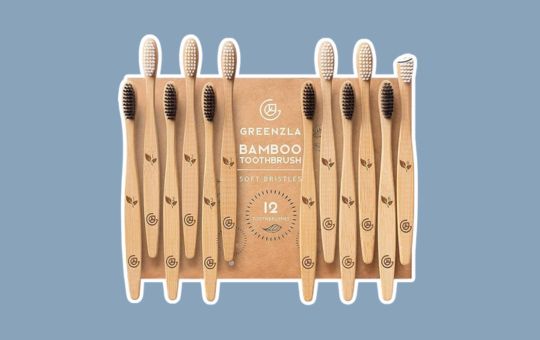
Greenzla advertises this 12-brush bundle as a family-friendly, eco-oriented toothbrush option: bamboo handles, charcoal-infused bristles, compostable or biodegradable packaging, and a promise that each brush can last up to 12 months in ideal care. The bundle is pitched as cost-effective and sustainable.
One strong appeal: many users highlight the softness and gentleness of the bristles. They often describe the brushing experience as smooth, pleasant on the gums, and less harsh than some standard plastic brushes. The handles also tend to receive positive mention: natural texture, light weight, good grip, and pleasing aesthetics. Some reviews mention that users like the numbered/colored design (so brushes don’t get mixed in multi-user households).
But the picture isn’t perfect. A recurring drawback in user feedback: bristle shedding, loosening, or wear over time. Some users say a few bristles come loose or that the bristles flatten earlier than expected. In a summary of reviews, one source observed that ~13 % of users felt bristles wore out too quickly, while ~87 % praised durability. Also, some saw the bristles as “too soft,” reducing perceived cleaning effectiveness for heavier users.
Another caution: the promise of a 12-month lifespan is likely aspirational. The manufacturer’s site states that each brush “lasting up to 12 months” is part of the design claim. But real-world users tend to replace them more frequently (e.g., when bristles distort or loosen). Also, “biodegradable/compostable” claims are only fully valid for the handle (under favorable compost conditions); the charcoal-infused bristles are still polymer (nontrivial to biodegrade).
Additionally, like many bamboo brushes, there is a latent risk if you store it in damp, poorly ventilated conditions: wood warping, cracking, and mold growth. While we didn’t find many explicit complaints of that for Greenzla, it’s a known vulnerability of bamboo toothbrush design in general.
Good for? Greenzla leans toward comfort and aesthetics rather than rugged resilience. If your priority is soft brushing and eco presentation (rather than ultra-longevity), this is a strong entrant. If you want max durability or zero-waste bristles, there are brushes in your set that may outperform it.
8. Bmbu Bamboo Charcoal 4-Pack Wooden Toothbrushes
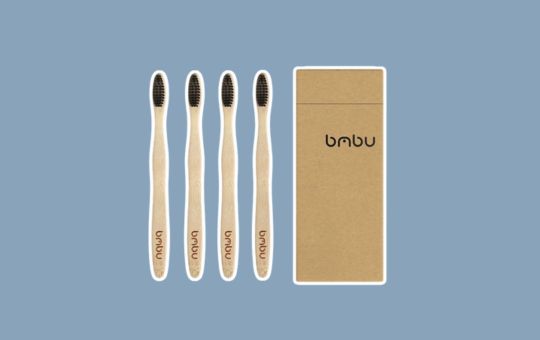
bmbu promotes this set of four bamboo toothbrushes with charcoal-infused bristles of medium/soft stiffness, sustainably grown bamboo handles, “recycled biodegradable” packaging, and vegan/BPA-free materials. According to the product listing, the charcoal bristles break up plaque and leave teeth “white, glowing.”
One of the nicer things that emerges in user impressions is the feel of brushing. Many buyers say the medium/soft bristles strike a good balance, not harsh, but not too limp either. On Amazon/eBay, the product holds ~4.4/5 from ~500+ ratings, indicating a majority of users are content with performance. Packaging also gets praise: minimal, recyclable, and aligned with sustainability claims.
But let’s peel back the polish. A few users warn that over time, the bristles may lose firmness or splay (i.e, flatten), especially under daily use. The “medium/soft” promise doesn’t always hold up weeks later. There is a mention of a small number of customers noticing wear or loosened bristles (though not extreme shedding). And, as with nearly all bamboo/charcoal brushes, the handle is the only truly compostable portion; the bristles remain polymer (i.e., non-biodegradable) unless very specialized. The product pages don’t clearly deny this, but in eco-consumer discourse, it’s a recurring caveat.
Should you get it? It’s suited for someone who already handles toothbrush care with care (upright drying, replacing in time, avoiding overly humid storage), who values sustainability over ultra-durability. If you’re the sort who brushes aggressively or expects months of rigid performance, this may frustrate you compared to higher-end rivals.
9. EveEco 4-Count Bamboo Toothbrush

EveEco sells this as a gentle, eco-conscious toothbrush set: four bamboo handles, soft charcoal-infused bristles, “recyclable, compostable, biodegradable” claims, and a focus on sensitive gums. The Amazon listing notes the wood feels smooth, no splinters after weeks, and the bristles “stayed strong and did not shed” in early use.
What’s the crown jewel? For many users, it’s the soft-feel brushing. A common compliment: “bristles are nice and soft, just as hoped,” with minimal irritation. Also, regarding the handles, users often say the wood is smooth, has no sharp edges, and has an appealing overall aesthetic (no plastic packaging).
The drawbacks must be called out. Even in Amazon reviews, some note that while the initial weeks went well, longer term, the bristles might lose “snap” or begin to spread (i.e., flatten). The promise of full compostability is also muddied: the handle may compost under favorable conditions, but the bristles are a polymer (charcoal-infused nylon or similar), which typically do not break down in a backyard compost. The product pages do not always clarify this contrast.
Another risk: bamboo brushes in general (and EveEco is not exempt) face vulnerability in humid/damp storage; warping, cracking, or even mold are known issues in the bamboo brush world. (Reddit users have shared warnings about splinters and wood failure in bamboo/wood toothbrushes.) In fact, one user (on a different brand) described a splinter lodging dangerously, rare but vivid: it underscores that wood quality, finish, and storage matter a lot.
Good for? Like all brands, this is also a fine pick for someone who already practices good toothbrush care (upright drying, regular replacement), values eco branding, and brushes relatively gently. If your priority is “one brush for many months” or a truly zero-waste lifecycle, this may disappoint.
10. PRIMALS Boar Bristle & Bamboo Toothbrush
PRIMALS markets these brushes as a “plastic & nylon-free” oral care alternative: bamboo handles (glue-free, standing base design) paired with 100% boar hair bristles, touted as fully biodegradable and quick-drying. Their listing emphasizes ethical sourcing, hygienic treatment (boiling), and a design that “stands on its own” for better drying.
One of the more intriguing features (and what gives this brush its niche) is the boar bristle approach. Some users find that the natural hair feels softer (or gentler) against gums than nylon and appreciate the “plastic-free” narrative. Also, the quick-dry base (i.e., the brush can stand upright) is praised in reviews: users say it helps reduce dampness and possible mold formation.
But there are several caveats and user concerns. One recurring complaint: bristles shedding or loosening. Some users report a few hairs coming out early on (especially in initial uses). The natural bristles (animal hair) also invite questions about hygiene, wear, and long-term durability, especially in humid bathroom settings.
Another consideration: while PRIMALS claims to be fully biodegradable and plastic-free, the real “full biodegradability” of animal hair in a typical home compost or soil environment can vary (depending on conditions). Also, bamboo handles are subject to the common wood vulnerabilities: cracking, warping, or mold if left wet or stored in closed, damp holders (a frequent weakness among bamboo brushes generally).
Moreover, the boar bristle model is not ideal for all users; for instance, people with sensitive gums or animal product objections might find it less suitable, or even ethically uncomfortable. In zero-waste/vegan conversations, the use of animal hair can be controversial. Though the brand emphasizes the fact that the bristles are ethically sourced.
Good for? This is a good pick if you want a truly plastic/nylon-free brush and are comfortable with using animal bristles. It’s more of a niche, premium option than a mass daily pick. Use it in a dry, ventilated holder, replace it when wear shows, and don’t expect perfect longevity under rough use.
Thank you for exploring our collection of wooden toothbrushes! In this FAQ section, we’ve answered some of the most common questions about wooden and bamboo toothbrushes. From their environmental benefits to how to care for them.
How We Went About This Review
We searched famous retailers for the best toothbrushes based on specs and customer feedback, while most of them share the same charcatistics a few brand stands out with their sustainability claims or materials. It is important to know that we have not had a firsthand experience, but we read th the experiences of the customers and collected the best right now so you can make informed decisions instead of searching through dozens of them.
Conclusion
Since you have come this far, tell us in the comments what made intrugted to buy wooden toothbrushes? Tell us your story in the comment section down below.
FAQs About Wooden Toothbrushes
For your mouth, not really, a soft-bristle bamboo brush cleans about the same as a soft-bristle plastic one. Dentists care about bristle softness and your technique, not what the handle’s made of. Where wood wins is everywhere else, it composts, it’s usually made from a fast-growing renewable material, and it skips the plastic that a standard brush leaves behind for good.
Depends what you’re optimizing for. Bamboo with nylon bristles cleans more predictably and feels closer to a normal brush, that’s most of what’s on this list. Boar bristle goes further on the plastic-free promise since the bristles themselves break down, but the tradeoff is durability and a rougher, less consistent feel some people don’t love. If sustainability is the whole point, boar bristle. If you just want a normal brushing experience with a greener handle, bamboo and nylon.
The handle doesn’t, that part’s just wood. The bristles usually do. Almost every “eco” bamboo brush on the market still uses nylon bristles, and nylon sheds the same way any plastic bristle does, small fragments wear off during brushing and go down the drain. Brands rarely put that on the front of the package.
Bristles shed or loosen faster than a lot of people expect, that’s the single most repeated complaint across brands. Wood handles can crack, warp, or splinter if you store them somewhere damp instead of upright and dry. And the “100% biodegradable” claim printed on most boxes is only true for the handle, not the whole brush, so read that label with a little skepticism.