

Have you ever looked at your closet and wondered if your clothes could do less harm and still feel like you?
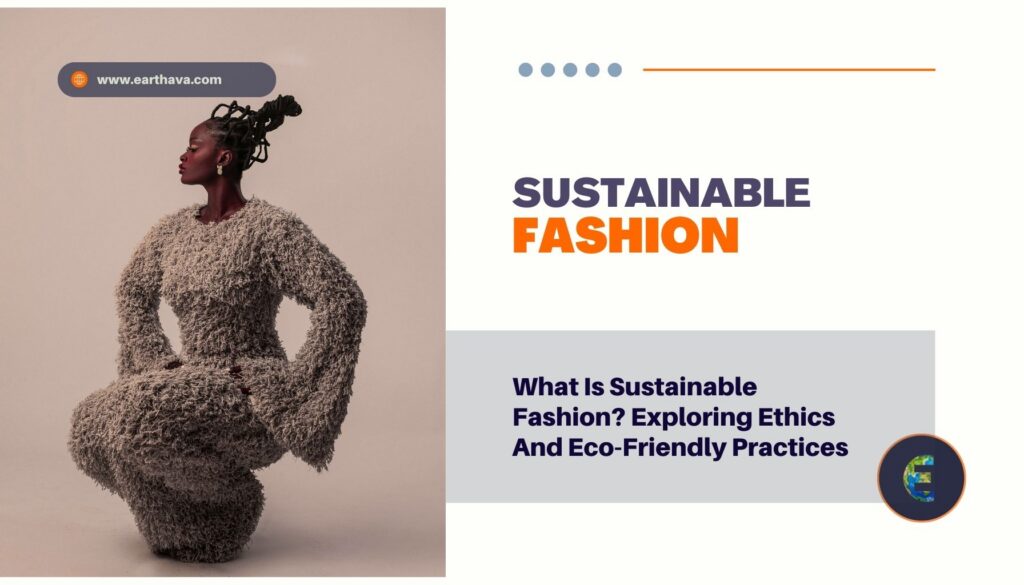
Sustainable fashion is the simple idea we want more people to know: clothes made to cut carbon, cut pollution, save water, and treat people fairly.
You’ll still see the claim that the fashion industry makes about 10% of global carbon emissions. 1 At the same time, a 2022 UN Environment Programme brief notes that reported estimates can range from about 2% to 8%, depending on what’s counted.
Waste is the other big wake-up call. Globally, roughly 92 million tons of textile waste go to landfills each year. 1 In the U.S., the EPA’s most recent national textiles dataset (2018) estimated 11.3 million tons of textiles were landfilled.
And the human side matters just as much: more than 25 million garment workers, mostly women, need safe jobs and fair pay.
Sustainable brands use materials like organic cotton (often documented as using far less “blue water” and energy than conventional cotton in life cycle studies), hemp for low water use, bamboo for fast growth, soy fiber called vegetable cashmere, and recycled polyester that can cut emissions significantly. 3
Less than 1% of tossed clothes become new garments, so circular ideas like upcycling, repairs, and resale matter. Platforms such as DEPOP and THE REALREAL give clothes a second life.
Certifications like Fair Trade and GOTS, plus rules like the EU REACH program, push for safer work and safer materials. Companies from Patagonia and Eileen Fisher to Stella McCartney and Levi Strauss use fair labor rules and new materials like mushroom leather.
New tools help too, from Lyocell made in closed loops to supercritical CO2 dyeing and AI that trims waste. The Higg Index, launched in 2012, and the UN Fashion Charter for Climate Action, which aims for net zero by 2050, show the industry can work together.
The EU Strategy for Sustainable Textiles from 2022 backs that push with policy and rules. 2
We’ll walk you through eco fabrics, fair work, circular design, fresh tech, what you can do today, and the real challenges brands face. Keep reading.
Key Takeaways
- Sustainable fashion aims to cut greenhouse gas emissions, water use, and 92 million tons of annual textile waste while protecting about 25 million garment workers.
- Life cycle studies often report big efficiency gains for organic cotton (including major reductions in “blue water” and energy) and meaningful emissions cuts for recycled polyester, yet only about 1% of clothing becomes new garments.
- Industry tools and rules include the Higg Index (2012), EU REACH, the EU Strategy for Sustainable and Circular Textiles (March 30, 2022), and the UN Fashion Charter (net-zero by 2050, with a 2030 ambition that was strengthened beyond an earlier 30% target).
- Consumers and brands can buy less, repair, use take-back programs (Levi, Mud Jeans, Patagonia Worn Wear), and choose resale apps (DEPOP, THE REALREAL, VESTIAIRE COLLECTIVE) to scale circular fashion.
Defining Sustainable Fashion
Sustainable fashion mixes low-impact materials, ethical fashion labor standards, and circular thinking, so you waste less and get more wear per item.
In practice, that can look like choosing materials like recycled polyester and cotton grown without genetic modification, asking brands to show proof, and picking products designed for repair and reuse.
In the U.S., this topic is not abstract. The EPA’s latest textiles waste numbers (based on 2018 data) highlight how much clothing ends up in landfills, which is why take-back, resale, and repair programs matter for everyday shoppers.
What are the key principles of sustainability in fashion?
The core principles are simple: make less, make it safer, make it last, and keep it in use.
Designers often reference cradle-to-cradle thinking (popularized in 2002) to plan products for reuse, repair, resale, and recycling instead of a straight line to the trash.
Measurement tools can help, but they are not magic. The Higg Index and life cycle assessment tools aim to track impact from raw fiber to disposal, but consumer-facing Higg MSI labels were paused after regulators raised concerns about how impact data was being used in marketing.
On the people side, brands need fair wages, safe factories, and a supply chain that can be checked. Certifications like Fair Trade and GOTS labels can be helpful starting points for shoppers, especially when a brand also publishes supplier lists and audit summaries.
To keep waste down, brands lean on organic cotton, recycled polyester, and circular fashion systems that support repair and resale, and reduce the need for constant new production. 1
How do environmental, social, and economic factors balance in a sustainable fashion?
Sustainable fashion is a three-part balancing act: planet, people, and price.
On the environmental side, synthetic fibers are tied to fossil fuels, so brands try to cut virgin polyester, use recycled feedstocks, and design garments that shed fewer microfibers. Some producers now invest in “fiber-to-fiber” recycling so old textiles can become new textiles instead of relying on plastic bottles as the main feedstock.
On the economic side, change is hard if brands demand rock-bottom prices and lightning-fast delivery. The sector sits near a $3 trillion market, so even small material cost increases can block smaller suppliers from switching processes.
On the social side, over 25 million garment workers, mostly women, need fair wages and safe sites inside complex supply chains. Brands that publish supplier lists and pay for better factory conditions make it easier for consumers to support real progress.
One more pressure point is sheer volume. Textile Exchange reported global fiber production hit 132 million tonnes in 2024, with polyester at 59%, which helps explain why “buy less, wear longer” is still one of the highest-impact moves you can make.
Eco-Friendly Materials in Fashion
Materials are where a lot of fashion’s footprint begins. If you want a practical shortcut, start by scanning for the fiber blend and then deciding what matters most to you: water, chemicals, climate impact, durability, or biodegradability.
Explore organic cotton, hemp, bamboo, and Tencel as lower-impact fabrics that can cut harmful chemicals. Study recycled polyester, mushroom leather, textile recycling, and cellulosic fibers to help build a circular economy.
What are the benefits of organic cotton, hemp, and bamboo?
Organic cotton is popular because it avoids most synthetic pesticides and fertilizers, and it often performs well in life cycle assessments. One widely discussed Textile Exchange LCA reported major reductions in blue water consumption and primary energy demand in the studied systems, but it also cautions against treating one percentage as a universal promise for every farm and region.
Hemp and bamboo can be great choices too, but you’ll want to look past the marketing and ask, “What process turned this plant into this fabric?”
- Organic cotton, grown without genetic modification and most synthetic inputs, helps protect clean water and soil health. In many comparisons, it also shows lower climate impact than conventional cotton, especially when synthetic fertilizer use drops.
- Conventional cotton has long been linked to heavy insecticide and pesticide use globally. If you want a safer default, choose certified organic cotton, or look for brands that publish pesticide and fertilizer reduction goals tied to their cotton sourcing.
- Hemp fabrics are known for strength and durability, and hemp fiber tends to perform well in wardrobes that prioritize long wear and fewer washes, which can shrink the use-phase footprint.
- Bamboo fibers grow fast, but many “bamboo” garments are actually viscose rayon, which can involve harsh chemistry. If you want bamboo with a cleaner process, prefer certified bamboo lyocell or brands that disclose a closed-loop solvent system.
- Soy fabrics (often marketed as “vegetable cashmere”) can feel soft and drapey, but quality varies. If you shop for soy blends, check for durability and pilling in reviews, since the longest-lasting item is often the most sustainable one.
- Before you buy, check the label for fiber blends and finishes. A small percentage of elastane can improve fit, but it can also make recycling harder later, so it helps to keep blends simple when you can.
| Material | Why do people choose it | Smart buyer tip |
|---|---|---|
| Organic cotton | Why do people choose it | Look for credible certification and durable construction (thicker knits, tighter weaves) |
| Hemp | Strong, breathable, often long-lasting | Expect some initial stiffness, and check softness after a wash or two |
| Lyocell (often sold as Tencel) | Smooth feel, commonly made with closed-loop solvent recovery | Check for responsible forestry claims and avoid heavy “easy-care” finishes if possible |
| Bamboo viscose | Soft feel, widely available | Ask for process transparency, “bamboo” as a plant does not guarantee a clean process |
How are recycled polyester and upcycled fabrics used in fashion?
Recycled polyester cuts demand for virgin fossil fuels, and upcycling gives old textiles a second life.
If you want a U.S. example, Unifi’s REPREVE recycled polyester is made in North Carolina and has published Higg MSI results indicating lower global warming potential than conventional virgin polyester. Keep in mind, Higgs MSI has faced criticism for how material scores can be used in consumer marketing, so use these numbers as one data point, not the whole story.
- Brands spin rPET from used PET bottles by sorting, cleaning, flaking, melting into pellets, and spinning yarn. Depending on the system and energy mix, reported greenhouse gas savings can be substantial, sometimes cited near 70% versus virgin polyester. 3
- In packaging LCAs, industry groups have reported that replacing virgin PET with recycled PET can cut greenhouse gas emissions meaningfully. That helps explain why bottle-to-fiber exists, even though many experts argue we also need more true fiber-to-fiber recycling.
- Designers, including Patagonia and Stella McCartney, turn recycled polyester into jackets, fleeces, and activewear to meet rising demand for sustainable fashion and environmentally friendly clothing. 4
- Upcycled fabrics reuse vintage clothing and deadstock cloths. Makers cut and sew old pieces into new silhouettes, cutting waste fast and boosting second-hand clothing markets.
- If you buy recycled polyester, treat it gently. Washing less, using cold water, and skipping the dryer can reduce microfiber shedding and extend garment life.
- Research into textile recycling and chemical depolymerization is expanding. Companies working on next-generation recycling include Circ, Ambercycle, Eastman, and Carbios, and newer projects aim to scale “circular polyester” so old clothes can become new fiber again.
What are biodegradable textiles, and why do they matter?
Biodegradable textiles break down more readily than plastics, which can reduce long-term landfill load and support circular economy goals. 5
Natural fibers like organic cotton and hemp, and newer options such as mycelium (mushroom) leather, can decompose far faster than synthetics under the right conditions.
Microfibers are a serious reason this matters. The IUCN’s 2017 report on primary microplastics estimated that about 35% of microplastics released to oceans come from washing synthetic textiles. That makes “what you wash” and “how you wash” part of sustainability, not just what you buy.
If you wear and wash a lot of polyester fleece, add one simple habit: wash less often and use a microfiber-capturing laundry bag or ball. It’s one of the easiest ways to cut microplastic pollution without buying anything new.
Only about 1% of tossed clothing becomes new garments because textile recycling faces hard limits. Brands can use recycled polyester and supercritical CO2 dyeing to save water and energy, while switching to biodegradable textiles cuts pollution and supports sustainable fashion, circular fashion, and textile recycling efforts.
Ethical Practices in Sustainable Fashion
Ethical fashion is about people, not slogans. If a brand can’t explain who made the product, where it was made, and what it did to keep workers safe, you’re being asked to buy on blind faith.
Responsible makers treat textile workers fairly and publish supply chain transparency reports. Explore corporate social responsibility, animal welfare, and safer dyes that cut harmful chemicals.
What are fair labor practices, and how is worker safety ensured?
Fair labor practices mean safe workplaces, fair wages, and reasonable hours for textile workers. 6
In the U.S., California’s Garment Worker Protection Act (SB 62) took effect January 1, 2022. It made piece-rate pay illegal for garment workers and expanded accountability so the brands contracting the work can share responsibility for wage theft.
U.S. Department of Labor enforcement has also flagged serious problems. A 2023 Department of Labor release about its fiscal year 2022 survey of Southern California garment contractors reported ongoing violations, including workers allegedly paid as little as $1.58 per hour in one case.
Some brands invest in better systems. Patagonia and Eileen Fisher use Fair Trade and GOTS to raise labor standards, and some companies go further with supplier training, worker hotlines, and long-term purchasing agreements that give factories stability.
Big problems still show up in ultra-fast fashion. A 2022 UK TV investigation alleged that some workers supplying Shein were paid as little as about 3 pence per garment during long shifts, and later audits commissioned by the company found labor-law breaches at two supplier sites, even if the exact hours differed from the documentary’s claims.
- For brands: publish a Tier 1 factory list, pay for verified safety upgrades, and set clear maximum-hours rules with enforcement.
- For shoppers: prioritize brands that disclose factories and remediation steps, not just goals and buzzwords.
Why is transparency important in supply chains?
Supply chain transparency tells you who made the clothes and where they were made. It also makes it harder for brands to hide wage theft, unsafe factories, and harmful chemical practices.
Fashion Revolution ranks companies each year with the Fashion Transparency Index. In its 2023 edition, Fashion Revolution reported an average score of 26% across 250 major brands, and said 52% of those brands disclose their first-tier supplier lists.
In the U.S., trade enforcement is another pressure point. Under the Uyghur Forced Labor Prevention Act (enforced starting June 21, 2022), U.S. Customs and Border Protection can detain shipments unless importers prove goods were not made with forced labor, and apparel and cotton products are priority sectors.
Transparency also helps fight greenwashing and build trust. If a brand claims “recycled” or “sustainably sourced,” it should be able to show material specs, supplier names, and credible verification, not just marketing.
How does sustainable fashion promote animal welfare?
Sustainable fashion can reduce harm to animals in two main ways: it lowers pressure on habitats through reduced resource use, and it improves animal welfare standards where animal fibers are involved.
If you buy wool, look for animal-welfare standards such as the Responsible Wool Standard (RWS), which includes requirements tied to sheep welfare and land management practices.
If you buy leather, focus on chemical and wastewater management at tanneries. The Leather Working Group (LWG) certifies facilities based on environmental performance and chemical management, which is a practical way to reduce harm tied to tanning.
Circular fashion lowers the need for new land and water that can displace wildlife. Repairing, recycling, and buying second-hand clothing reduces textile waste and the pressure on habitats.
Stella McCartney and Hermès continue to trial mushroom leather, while lab-grown leather and bio-based materials offer cruelty-free alternatives for some product categories.
Circular Fashion and Waste Reduction
Circular fashion is what you do after you buy the item. It’s the habit of keeping clothes in use longer and keeping them out of the landfill.
In the U.S., the EPA estimates millions of tons of textiles still go to landfill each year, so every extra year you keep a jacket or pair of jeans in rotation matters.
Repairing, recycling, and upcycling cut textile waste and extend the life of textiles circularly. Material flow studies, take-back systems, and simple mending kits give brands and shoppers practical tools.
How can recycling and upcycling clothing reduce waste?
Recycling and upcycling cut waste and stretch garment value. They steer clothes away from landfills and into new uses. 9
- Use take-back programs like Levi Strauss & Co. and Patagonia Worn Wear, and look for clear rules on what items they accept. In the U.S., Levi’s trade-in currently focuses on denim, which makes sorting and reuse easier.
- Know what happens next. Many collected textiles get reused or downcycled into products like wiping rags and insulation, because fiber-to-fiber recycling is still limited at scale.
- Choose upcycling for high-value reuse so fabrics keep their quality. A well-made upcycled denim piece can replace buying new jeans entirely.
- Shop second-hand clothing and vintage items to reduce demand for new production. If you live near a major city, watch for local textile drop-off maps and programs supported by municipal sanitation departments.
- Favor garments designed for recycling later: simpler fiber blends, fewer coatings, and trims that are easy to remove.
- Mend and alter older clothes to add years of wear. A zipper replacement can keep a coat in use for another season, and that is often a bigger win than buying “green” new.
| Option | Best for | What to watch for |
|---|---|---|
| Repair | High-impact, low-cost waste reduction | Choose repairable designs (standard zippers, extra buttons, sturdy seams) |
| Resale | Keeping quality pieces in use | Check condition notes and return policies before you buy |
| Upcycling | Unique pieces and high-value reuse | Fit can be tricky, ask for exact measurements |
| Recycling | End-of-life for worn-out items | Fiber blends and elastane can limit fiber-to-fiber recycling |
What are the benefits of repairing and reusing clothes?
Repairing clothes saves resources and money. Reusing garments cuts textile waste and trims the fashion industry’s carbon load.
- Stretch garment life and lower greenhouse gases, since longer use reduces the fashion industry’s roughly 10% share of global emissions in the commonly cited estimate. 1 This fits circular fashion and slow fashion goals.
- Cut the 92 million tons of annual textile waste by fixing seams, patching holes, and mending zippers. Small repairs keep items out of landfills.
- Use mending kits, repair workshops, and basic sewing tools to boost reuse. In New York City, campaigns tied to clothing drop-off programs have highlighted how much clothing the city landfills each year, which is why repair and reuse education can move the needle.
- Save money and reduce demand for new sustainable materials like organic cotton, hemp fibers, and recycled polyester. One worn garment for years has far less environmental impact than one worn once.
- Support second-hand clothing platforms such as DEPOP, THE REALREAL, and VESTIAIRE COLLECTIVE to extend clothes’ lifespans and drive a circular economy among Gen Z shoppers.
- Pick repair-friendly brands. Patagonia’s Worn Wear publishes repair guidance and reports keeping hundreds of thousands of items in use through its repair ecosystem, which is the kind of long-term commitment you want to see.
How does designing for durability extend clothing’s lifespan?
Designing for durability keeps garments in use longer and cuts frequent replacements. 11
Durability is not just “thicker fabric.” It’s also stronger stitching, quality zippers, reinforcement at stress points, and fabric choices that resist pilling and sagging.
Trend cycles can push you to buy more. When microtrends turn over fast, durability and timeless design become a quiet way to resist overproduction and trim textile waste.
Care matters too. If a brand gives clear care instructions and offers spare parts, you can keep the item looking good and feeling good for longer.
Durable items also retain resale value, making circular fashion easier. That “I still love this” feeling builds emotional attachment, and it keeps clothes in repair, second-hand clothing, and reuse instead of the trash. 11
Innovations in Sustainable Fashion
Innovation is exciting, especially if it makes sustainable practices easier for brands and for you.
3D knitting and solvent recycling can turn textile waste into fresh fabric for circular fashion. Lab-grown fibers and biodegradable textiles can cut greenhouse gas emissions and shrink the fashion footprint.
What are the latest advancements in textile recycling technologies?
Sorting is the bottleneck, and it’s getting better. New systems use tools like near-infrared scanning to identify fiber types faster, which helps recyclers separate cotton, polyester, and blends more efficiently.
Chemical recycling is another big move. Several companies are working on processes that break polyester down so it can be rebuilt into new fiber, aiming for true fiber-to-fiber circularity instead of downcycling.
Some investment is landing in the U.S. A circular-polyester startup backed by major brands announced plans for manufacturing in North Carolina, with claims of large emissions reductions compared to conventional polyester production.
- If you’re a brand, design with recycling in mind (simple blends, removable trims), then partner with a recycler that can document what happens after collection.
- If you’re a shopper, choose items that already have a long life ahead of them, since recycling is still limited and not a free pass for overbuying.
How are biodegradable and lab-grown materials transforming fashion?
Mycelium leather, kombucha-derived cellulose (SCOBY), and other biofabricated materials are making it possible to replace some petroleum-based and animal-based materials in specific product categories. 12
These materials can support circular fashion by reducing reliance on virgin fossil inputs and by improving end-of-life options, especially if the product is designed without heavy coatings and mixed materials.
Keep your expectations realistic. “Bio-based” does not always mean “compostable,” and many items still need industrial composting conditions to break down safely.
Many brands pair these options with recycled polyester and textile recycling to close the loop, while still focusing on durability so the product earns its footprint over years of use.
What are zero-waste production methods in fashion?
Zero-waste pattern making cuts scraps at the source. Designers map pieces to fit fabric like a puzzle.
3D knit technology can create whole garments with minimal cutting waste, which is why companies like Shima Seiki and Stoll are widely referenced in discussions of waste-reducing production.
Supercritical CO2 dyeing is another approach that can cut water use by replacing traditional dye baths, though the equipment is expensive and not used for every fabric type.
Machine learning and demand forecasting can also reduce overproduction, which is still one of the biggest drivers of textile waste. 13
The Role of Consumers in Sustainable Fashion
You don’t need a perfect wardrobe to make a real difference. You just need a few repeatable habits that fit your life.
Buy second-hand clothing and repair what you own. Pick brands that follow circular economy practices, use textile recycling, and show clear supply chain transparency.
Why choose second-hand and vintage clothing?
Vintage lets you show your style while cutting waste. Thrift fashion can help your wallet, too.
In the U.S., secondhand keeps growing. ThredUp’s 2025 Resale Report said the U.S. secondhand apparel market grew 14% in 2024 and is projected to reach $74 billion by 2029, which signals that resale is becoming a mainstream option, not a niche.
- Pick vintage for personal flair and lower impact, since vintage clothing can replace new production and cut greenhouse gas emissions tied to making new items.
- Shop resale apps like DEPOP, THE REALREAL, and VESTIAIRE COLLECTIVE to find curated items and support circular fashion.
- Favor local thrift stores or vetted sellers to reduce textile waste. If you can inspect an item in person, you can avoid buying something you’ll return or never wear.
- Ask about the garment’s history and condition, then mend small tears or replace buttons. Repairing extends life and fits slow fashion habits that save money and resources.
- Sell or consign quality pieces instead of tossing them. The more you treat clothing as an asset, the less it becomes “disposable.”
- Mix vintage with sustainably made basics to balance style and function, and choose second-hand clothing to cut demand for fast fashion and lower the environmental impact of fashion.
How can consumers support sustainable and ethical brands?
Start with proof, not promises. Pick brands that publish factory details and carry Fair Trade or GOTS labels, like Patagonia and Eileen Fisher.
Look for specific material claims (percent recycled content, certified organic, verified safer dye standards), and favor companies that share worker and supplier info.
- Use a “cost per wear” mindset: if you won’t wear it 30 times, skip it.
- Ask brands direct questions: Who made this? What factory? What is the fiber blend? Can it be repaired?
- Join local clothing swaps, buy second-hand clothing, and repair items to stretch wear time. 14
- Support suppliers and makers who disclose where their materials come from, since raw material sourcing often drives a big share of a garment’s footprint.
What are mindful purchasing habits for sustainable fashion?
Buy less. Choose items that last.
- Check labels for organic cotton and recycled polyester, and favor brands with supply chain transparency.
- Use secondhand clothing shops, thrift apps, and local consignment to follow slow fashion and the one in, one out strategy.
- Learn basic repairs and use local repair services to fix seams, replace buttons, and patch holes.
- Prioritize brands that publish factory audits and labor practices to back fair labor practices.
- Choose durable cuts and classic styles over fast fashion trends.
- Support brands that use textile recycling and upcycling and that disclose materials like hemp fabrics or biodegradable textiles.
- Track your wardrobe with a simple list to spot duplicates and unmet needs, so you buy with intention instead of impulse.
Challenges in Achieving Sustainable Fashion
Even with good intentions, sustainable fashion can feel confusing. Greenwashing, weak supply chain transparency, limited textile recycling technology, and scarce sustainable materials slow the shift to circular fashion.
How can consumers and brands identify and overcome greenwashing?
Greenwashing thrives on vague claims like “eco,” “natural,” or “conscious” with no proof.
In the U.S., the Federal Trade Commission’s Green Guides influence how environmental marketing claims are evaluated, and the FTC requested public comment on potential updates, with the comment period extended through April 24, 2023. That’s a good reminder that marketing language has rules, and brands should be ready to support their claims.
- Look for specific certifications (like GOTS and Fair Trade) and clear scope statements (what product, what percent, what facility).
- Ask for supplier lists, audit summaries, and chemical management standards, especially for dyed items and performance fabrics.
- Be cautious with single-number “sustainability scores.” Material impact is complicated, and several scoring systems have been criticized for being misused in consumer-facing marketing.
Social media and NGOs can pressure firms by calling out misleading textile marketing and false green fashion claims. 16
What cost barriers exist for sustainable fashion, and how can they be addressed?
Costs can be real. Organic cotton, better dye systems, and traceability all cost money, and smaller suppliers often struggle to finance upgrades. 17
Fast fashion keeps prices low, which can push shoppers toward cheaper clothes instead of slow fashion or circular fashion options.
There are ways to make it easier without pretending it’s free:
- Brands can commit to longer-term orders so factories can invest in cleaner equipment without gambling on next season’s demand.
- Shoppers can buy fewer items and choose higher-quality pieces, so the cost per wear drops.
- Communities can normalize repair with workshops and local tailor partnerships, since the cheapest “sustainable” item is often the one you already own.
How can consumer education improve sustainability in fashion?
Education cuts waste by teaching garment care and repair. Simple guides on washing, drying, and patching can stretch a shirt’s life.
Hands-on programs build a circular economy. Community mending hubs, NGOs, and governments can fund repair workshops and reuse drives.
Clear lessons on reuse, recycling, and biodegradable options help close the gap between what people know and what they buy.
Collaborative Efforts for a Sustainable Future
Sustainable practices scale faster when brands, nonprofits, and public agencies work together, especially on supply chain transparency and textile recycling.
You’ll see collaboration show up through city textile drop-off programs, research partnerships, and stronger enforcement against forced labor and illicit textile trade.
How do partnerships between brands, NGOs, and governments promote sustainability?
Partnerships help because no single group controls the whole supply chain.
NGOs can push for unified sustainability standards and expose unethical practices. 18 Governments can enforce rules tied to labor, chemicals, and imports, while brands can fund the factory upgrades and data systems that make change measurable.
On the enforcement side, the U.S. has increased attention to textile-related violations, including forced labor. Federal agencies have reported thousands of textile-related seizures in recent years and have expanded tools like laboratory and isotopic testing to verify origin claims in supply chains.
What industry initiatives are driving sustainable fashion forward?
The Sustainable Apparel Coalition launched the Higg Index in 2012 as a way to measure environmental and social impact across supply chains. 19 The tools remain widely used in the industry, even as parts of the consumer-facing labeling approach have faced criticism and have been paused in some contexts.
The UN Fashion Charter for Climate Action continues to push climate alignment through shared commitments, including a stronger 2030 ambition and a net-zero-by-2050 direction.
Resale and repair are also becoming bigger business models. In the U.S., online resale growth and brand-run trade-in programs signal that second-hand clothing is moving from “nice idea” to a real part of how people shop.
Conclusion
Sustainable fashion asks us to cut waste, cut emissions, and treat workers fairly. Circular fashion, textile recycling, and slow fashion offer clear paths forward.
Buy less, buy better, and repair what you own to stretch a garment’s life. Small choices add up and help fight climate change while protecting workers and biodiversity.
FAQs
Sustainable fashion means making clothes that cut harm to people and the planet. It covers ethical fashion, slow fashion, and circular fashion to lift the sustainability of fashion.
It cuts greenhouse gas emissions and shrinks textile waste that fuels climate change. Brands pick sustainable materials like recycled polyester, hemp, organic cotton, and biocomposites to help.
Natural fibers such as organic cotton and naturally colored cotton can protect ecosystems when grown with care. Genetically modified cotton, sometimes using a Bt bacterium, may lower pesticide use but raises questions about genetic modification and the cotton bollworm. Look for clear supply chain transparency before you decide.
Fast fashion in the fashion industry floods the market with cheap, short-lived items and drives textile waste. Slow fashion favors repair, quality, second-hand clothing, and the circular economy.
They must use supply chain transparency, safer dye methods for dyed fabrics, and cut harmful chemicals. They should also invest in textile recycling and recycled polyester to make environmentally friendly clothing that lasts.
Buy less and pick second-hand goods or well-made cotton fabrics. Mend, recycle, and favor brands that report greenhouse gas emissions and support sustainable development. Think of your closet as a garden, not a landfill.
- https://online.lindenwood.edu/blog/sustainable-fashion-exploring-eco-friendly-practices-in-the-industry/
- https://www.researchgate.net/publication/377987838_Social_environmental_and_economic_value_in_sustainable_fashion_business_models
- https://www.envirotextiles.com/eco-friendly-fabrics-explained-why-hemp-organic-cotton-and-more-matter
- https://www.rmcad.edu/blog/sustainable-fashion-materials-from-recycled-fabrics-to-organic-textiles/
- https://pmc.ncbi.nlm.nih.gov/articles/PMC8257395/
- https://s3.nl-ams.scw.cloud/sustainablefashion/ecofiber/news/how-sustainable-fashion-supports-fair-labor-practices.html
- https://s3.fr-par.scw.cloud/rouso/sustainablefashion/index.html
- https://instituteofsustainabilitystudies.com/insights/guides/exploring-sustainable-fashion-and-consumer-trends/
- https://pmc.ncbi.nlm.nih.gov/articles/PMC7380204/
- https://www.sciencedirect.com/science/article/pii/S2772912525000661
- https://www.researchgate.net/publication/393900848_DESIGNING_FOR_DURABILITY_HOW_FASHION_BRANDS_ARE_ENCOURAGING_LONGER_GARMENT_LIFE_THROUGH_CONSUMER_BEHAVIOUR_CHANGE
- https://www.researchgate.net/publication/390306472_SUSTAINABILITY_IN_FASHION_THROUGH_TECHNOLOGY
- https://www.researchgate.net/publication/381096412_Fashioning_a_Sustainable_Future_Navigating_Zero-Waste_Practices_in_Textile_Chain
- https://www.sciencedirect.com/science/article/pii/S0959652624036813
- https://www.tandfonline.com/doi/full/10.1080/23311975.2025.2519966
- https://www.sciencedirect.com/science/article/pii/S2452223622001225
- https://www.sciencedirect.com/science/article/pii/S2352550922000410
- https://pmc.ncbi.nlm.nih.gov/articles/PMC7358761/
- https://www.researchgate.net/publication/387692407_Initiatives_Toward_Sustainability_Among_Leading_Fast_Fashion_Industries

 Earthava is an environmental collective designed to turn awareness into impact. From deep dives into ecology to daily sustainable swaps, we provide the tools and intel you need to protect the ground you stand on.