
A handful of countries, from India and Chile to Denmark and Kenya, are now generating the majority of their electricity from renewable sources, and the gap between them and the rest of the world is widening fast. Here’s what makes each one worth watching.
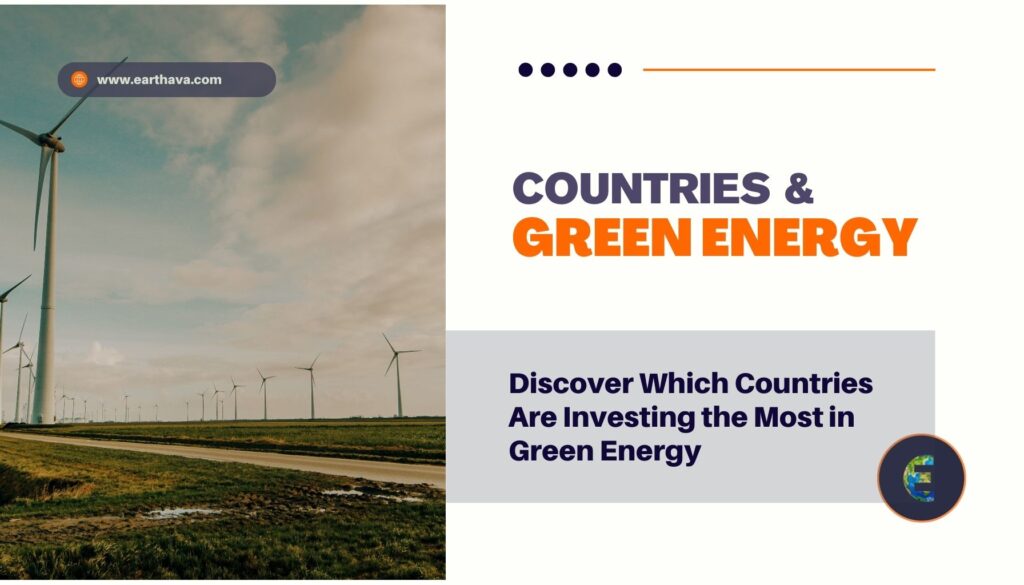
Renewable energy isn’t just a new fad. It’s the future of power for our planet, and it’s creating a race. We’ve seen arms and space races before, but we haven’t seen an energy race since the Industrial Revolution. Today, countries are battling for a top spot in history. The U.S. won the last energy race, but right now, there’s some stiff competition.
India
One study from Finland in 2017 found that India has the potential to use 100 percent renewable energy by 2050. That’s a massive claim for such a large population, but the country is on the right track. For three quarters of 2017, India added more renewables than any other energy source, including two quarters where its thermal energy use decreased. Solar energy is the leading source, making up 79 percent of renewable energy added.
India has since set its own official government target of 500 GW of non-fossil fuel capacity by 2030. As of March 2026, India has installed 283.46 GW of non-fossil capacity (including 274.68 GW of renewable) and added a record 55.29 GW in FY 2025–26 alone, now ranking 3rd globally in renewable installed capacity.
China
It’s hard to remember just how big China is. It has a massive population, but its land is so enormous that it also has vast areas of basically untouched wilderness. The government is tapping into those areas to become power players in green energy. It has built massive solar and wind farms, so even though China still uses a significant amount of fossil fuels, it’s steadily changing the playing field.
China now accounts for over half of new global renewable capacity additions annually and leads the world in both solar and wind installed capacity, per IRENA data.
Chile
Chile has made some of the fastest coal phase-out progress of any developing nation. As of 2024, renewables provided around 70% of Chile’s electricity, up from 47% in 2019, with coal falling to 17.5% of the mix. Chile now targets 80% renewable electricity by 2030 and 100% by 2050, per its updated National Energy Policy.
Nicaragua
Wind power is a big deal in Nicaragua. It also gets a lot of sun and has a plethora of geothermal activity. This combination makes it the perfect place to take advantage of various renewable energy sources. Biomass leads Nicaragua’s renewable mix, followed by geothermal and wind, with solar growing fast.
Nicaragua now generates an estimated 70–80% of its electricity from renewables, including wind, geothermal, biomass, hydro, and growing solar, making it one of the top 25 countries globally for renewable energy share.
Brazil
South America has some fantastic wind potential, and Brazil is happy to take advantage. The majority of the country’s power comes from hydroelectric, but biomass and wind also give a significant amount of power. Solar and wind combined now generate 24% of Brazil’s electricity, more than double their share five years ago, making renewables responsible for 88.2% of the country’s total electricity supply in 2024.
Guatemala
Currently, Guatemala produces almost 52% of its energy from renewable sources in 2024. Similar to Brazil, 35.6% of that comes from hydroelectric, followed by biomass. Other areas will have to expand to meet increased demands. The remaining percentage still comes from fossil fuels, but it plans to reduce that by 29.2% by 2032.
Kenya
Kenya is investing heavily in geothermal energy. This is a take on renewables that a lot of more developed areas can’t do. Since the country is so close to the western edge of the East African Rift, it has plenty of opportunities to use it. As of 2024, geothermal accounts for approximately 43–47% of Kenya’s electricity generation, the highest share of any country in the world for this source, with overall renewables covering around 90% of the country’s power supply.
South Africa
South Africa has a lot of potential when it comes to solar power. The country is still making strides toward renewables. The country doesn’t need any additional coal or nuclear power to shift its focus to solar and wind. It recently signed a $4.7 billion deal to increase its renewable energy capacity, a move that will begin construction of 27 new wind and solar plants. The REIPPPP program has catalyzed over $16 billion in investment since 2012 and 13.5 GW of installed renewable capacity as of late 2024.
South Africa launched Bid Window 7 of its REIPPPP in December 2023, seeking 5,000 MW of new renewable capacity. Solar projects selected will contribute 1,760 MW with R31.4 billion in investment.
Sweden
The renewable energy sector encompassed over half of Sweden’s GDP in 2016. Today, renewables account for around 70–75% of Sweden’s electricity generation. A large portion of that comes from hydroelectric power, with nuclear power close behind. However, the country is dedicated to transitioning entirely to renewables by 2040, though the current government has reversed earlier plans to phase out nuclear and is now exploring new nuclear capacity alongside renewables.
Denmark
Denmark isn’t just one of the happiest countries in the world; it’s also one of the greenest. 54% of its energy came from wind power in 2024. It’s updated its turbines and energy grid so it can use wind energy as efficiently as possible.
Combined with solar and other renewables, Denmark sourced 88.4% of its electricity from renewables in 2024, the highest share in the EU, and is targeting 100% renewable electricity by 2030.
These are just some of the countries that are making huge strides toward green technology. These have made some of the biggest, and many of them have only touched on their potential. In another decade, we’re sure to see some amazing changes take place. One winner of the green revolution can help save us all.
 Earthava is an environmental collective designed to turn awareness into impact. From deep dives into ecology to daily sustainable swaps, we provide the tools and intel you need to protect the ground you stand on.